
Introduction
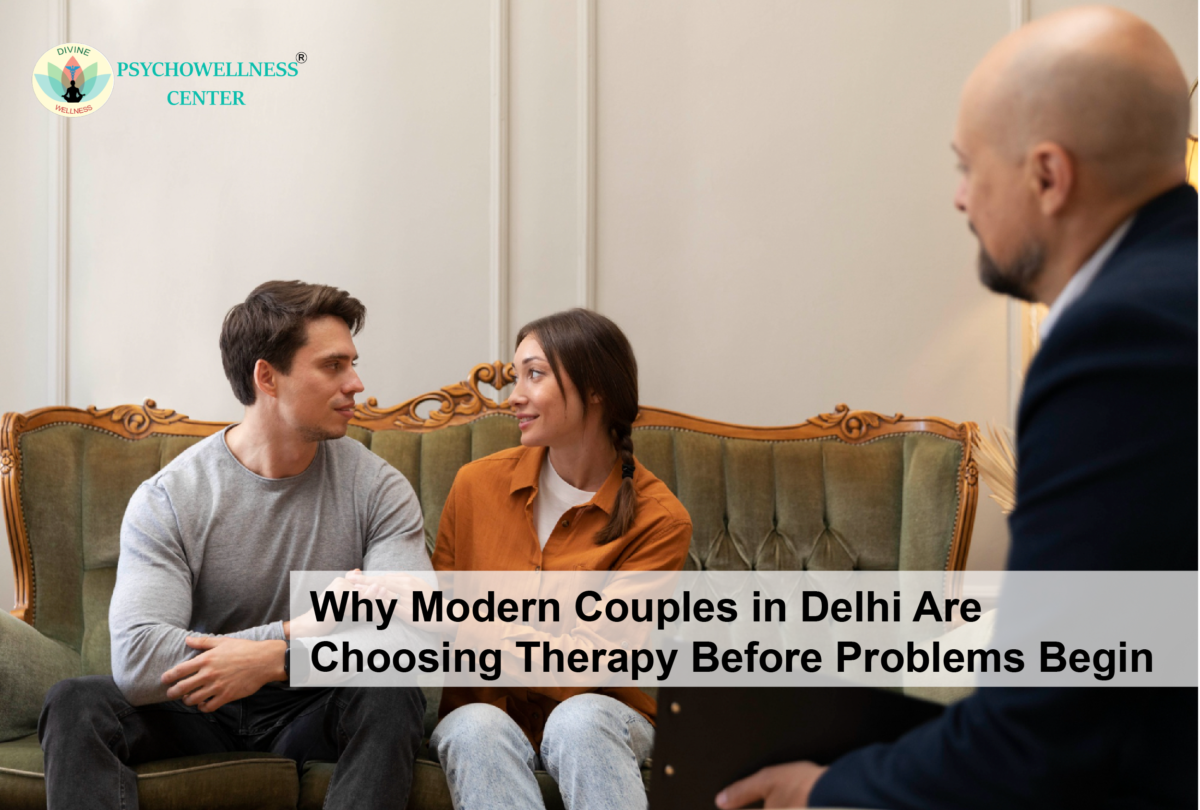
Modern relationships are evolving rapidly, especially in metropolitan cities like Delhi. Today’s couples are balancing demanding careers, social expectations, financial responsibilities, and personal goals while trying to maintain healthy emotional connections. Unlike previous generations that often sought help only during major crises, many couples are now choosing therapy proactively. They are recognizing that emotional well-being and healthy communication require consistent care and attention.
Therapy is no longer viewed as a “last resort.” Instead, it is increasingly becoming a preventive and growth-oriented approach that helps couples strengthen trust, improve understanding, and develop healthier ways of navigating life together. Research suggests that preventive couple-based interventions can improve communication, reduce distress, and promote healthier relationship patterns.
Changing Attitudes Toward Mental Health and Relationships
Urban couples today are more open to discussing emotional health than previous generations. Conversations about therapy, emotional compatibility, communication styles, and boundaries have become more common among young professionals and married couples. Social media, podcasts, and mental health awareness campaigns have also contributed to reducing the stigma associated with counselling.
Many couples now understand that therapy can help address small concerns before they become major couple conflicts. Instead of waiting for severe emotional distance or resentment, partners are choosing early intervention to build stronger emotional foundations.
Why Couples Are Seeking Therapy Earlier
One of the biggest reasons modern couples seek therapy early is the increasing complexity of modern lifestyles. Long working hours, relocation, financial pressure, and digital distractions can affect emotional connection between partners. Even couples who deeply care for one another may struggle with communication and emotional understanding.
Many young adults also carry unresolved emotional experiences from childhood, previous relationships, or family environments into their romantic lives. Therapy helps couples understand these patterns and develop healthier ways of responding to emotional triggers.
Increasingly, couples are also seeking support for dating concerns before marriage or long-term commitment. Discussions around compatibility, values, career priorities, parenting expectations, and emotional needs are becoming important parts of modern relationships. Therapy provides a structured and safe environment to explore these conversations openly.
Strengthening Emotional Connection and Intimacy
One of the key benefits of preventive therapy is improving emotional closeness and intimacy. Emotional intimacy involves trust, vulnerability, emotional safety, and consistent communication. However, stress and busy schedules can often reduce emotional availability between partners.
Couples therapy encourages active listening, emotional validation, and healthy expression of needs. Research highlights that relationship-focused interventions can improve emotional bonding and communication patterns among couples.
Many couples realize that unresolved misunderstandings or emotional withdrawal can gradually create emotional distance. Seeking support early helps prevent these patterns from becoming deeply rooted.
Managing Communication and Interpersonal Challenges
Even healthy couples can experience moments of disagreement or emotional disconnection. Differences in communication styles, emotional expression, or coping mechanisms can sometimes create an interpersonal problem within the partnership. Therapy helps couples identify unhealthy patterns and replace them with healthier communication habits.
Modern therapists often focus on emotional regulation, empathy-building, conflict resolution, and collaborative problem-solving. Couples learn how to express concerns without blame and listen without defensiveness. These skills help partners feel more emotionally secure and respected within the relationship.
Anxiety and Emotional Pressure in Urban Relationships
Living in fast-paced cities like Delhi can increase emotional pressure on couples. Work deadlines, social expectations, financial goals, and family responsibilities may contribute to emotional exhaustion. Over time, this pressure can contribute to anxiety, irritability, and communication difficulties within relationships.
Research suggests that preventive counselling and emotional support can reduce psychological distress while improving emotional resilience among couples.
Rather than waiting for emotional burnout, many couples now view therapy as a form of emotional maintenance similar to how individuals prioritize physical fitness or career development.
Therapeutic Approaches Helping Modern Couples
Today’s counselling approaches are more flexible and personalized than ever before. Many therapists combine evidence-based methods to help couples improve communication and emotional understanding.
For example, relationship issues counselling focuses on trust-building, communication improvement, emotional safety, and conflict resolution. This approach helps couples explore their emotional needs while strengthening mutual understanding.
Similarly, dialectical behaviour therapy techniques are increasingly used in couples counselling to improve emotional regulation, distress tolerance, and mindful communication. These skills can help partners manage intense emotional reactions and respond more calmly during disagreements.
Studies on preventive couple interventions in India also suggest that structured counselling programs can positively influence communication patterns, emotional understanding, and decision-making among couples.
Growing Demand for Couple Counselling in Delhi
With rising awareness about mental health, many couples are actively searching online for services such as Couple Counseling near me to access professional support. Online counselling platforms and in-person therapy centers have made emotional support more accessible and convenient for working professionals and young couples.
In areas like Janakpuri, Dwarka, and other parts of Delhi NCR, couples increasingly seek therapists who specialize in communication challenges, emotional compatibility, and premarital counselling. Many people also search for the best couple counselling in Janakpuri to find experienced professionals who understand the emotional and cultural dynamics of modern Indian relationships.
Couples are also becoming more selective when choosing therapists, often looking for the Best Psychologists in Delhi with expertise in couples therapy, emotional well-being, and evidence-based approaches.
This growing acceptance of therapy reflects a larger cultural shift where emotional care is viewed as an important part of maintaining healthy partnerships. Preventive therapy is now being recognized as one of the most effective ways to build stronger emotional connections and healthier communication patterns.
Conclusion
Modern couples in Delhi are redefining the purpose of therapy. Instead of waiting for major emotional breakdowns or unresolved resentment, many are choosing counselling early to strengthen communication, emotional trust, and mutual understanding. Therapy is helping couples become more emotionally aware, supportive, and resilient in the face of everyday challenges.
Seeking the best couple counselling is no longer a sign of weakness or relationship failure. Instead, it reflects emotional maturity, self-awareness, and commitment toward building a healthier partnership. As awareness continues to grow, preventive couples therapy may become an essential part of modern relationship wellness in urban India.
Many modern couples in Delhi are choosing therapy early to strengthen communication and emotional understanding before misunderstandings become serious. Professional guidance helps partners navigate emotional differences, improve trust, and manage partner-related emotional guidance sessions in a healthy way. Early intervention can also reduce recurring disagreements between partners, allowing couples to build stronger and more supportive relationships over time.
Contributions: Dr. R.K. Suri, Clinical Psychologist, and Ms. Mahima, Counselling Psychologist
References
Suresh, S., Das, A., Lokesh, S., Shah, A., & Satyanarayana, V. A. (2025). Couple enrichment clinic as a model of promotive and preventive mental health care in South India. Journal of Marital and Family Therapy, 51(4), e70067. https://doi.org/10.1111/jmft.70067
Raj, A., Yore, J., Dasgupta, A., Ghule, M., Battala, M., Nair, S., Silverman, J., Saggurti, N., & Balaiah, D. (2016). CHARM, a gender equity and family planning intervention for men and couples in rural India: Protocol for the cluster randomized controlled trial evaluation. Reproductive Health, 13(14). https://doi.org/10.1186/s12978-016-0122-3
Verywell Health. (2021). Benefits of couples counseling and how it works. Retrieved from https://www.verywellhealth.com/couples-counseling-5205837
https://www.psychowellnesscenter.com/Blog/trending-dating-advice-for-new-couples-in-delhi/
https://www.psychowellnesscenter.com/Blog/why-to-choose-couples-therapy/