
Emotional well-being is often shaped by how individuals respond to everyday pressures rather than the pressures themselves. In a city like Bathinda, where people balance professional responsibilities, family expectations, and personal aspirations, emotional strain can build gradually. It may not always be visible, but over time it can affect concentration, relationships, and overall quality of life.
Seeking support from a qualified psychologist is not limited to addressing severe conditions. It is also a structured way to improve self-awareness, manage stress, and develop healthier patterns of thinking and behaviour.
Understanding When to Seek Support
Many individuals delay seeking help because their concerns do not seem “serious enough.” However, emotional difficulties often begin with subtle signs—persistent worry, irritability, low motivation, or difficulty managing routine tasks. These patterns may indicate concerns such as anxiety or depression, both of which can influence how individuals experience daily life. When addressed early, these concerns are easier to manage and less likely to interfere with long-term functioning.
How Psychological Support Works
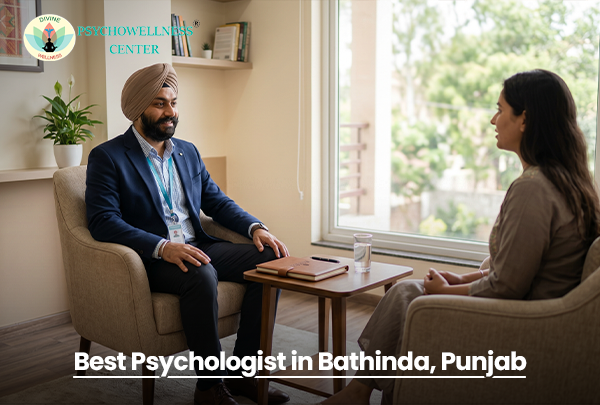
Therapy provides a structured environment where individuals can explore their thoughts, emotions, and behaviours without judgment. A psychologist helps identify patterns that may be contributing to distress and works collaboratively to develop strategies for change.
Approaches such as CBT (Cognitive Behavioural Therapy) are commonly used to address unhelpful thinking patterns and behavioural responses. These methods are evidence-based and tailored to individual needs, ensuring that therapy remains both relevant and effective. The goal is not only to reduce distress but also to build long-term coping skills.
Managing Stress and Emotional Overload
Stress is one of the most common reasons individuals seek therapy. While short-term stress can be manageable, prolonged stress often affects both mental and physical health. Psychologists help individuals identify sources of stress and develop strategies to manage them. This may include time management, boundary-setting, and cognitive techniques to reduce overwhelm. They may also work on recognising early signs of stress escalation so that intervention can happen before it significantly impacts daily functioning. Over time, these strategies improve resilience and reduce the likelihood of burnout.
Improving Emotional Awareness and Regulation
Many individuals struggle not with emotions themselves, but with understanding and managing them. Emotional responses may feel overwhelming or difficult to control, particularly during stressful situations.
Therapy focuses on building awareness of emotional triggers and developing healthier ways to respond. This includes techniques for regulating reactions, improving impulse control, and maintaining emotional balance. Improved emotional control supports better decision-making and interpersonal interactions.
Addressing Relationship Concerns
Interpersonal relationships can significantly influence mental health. Miscommunication, unresolved couple conflicts, or unmet expectations often lead to ongoing stress. Through structured relationship counselling, individuals and couples can improve communication, understand behavioural patterns, and develop healthier ways of interacting. These changes often lead to stronger and more stable relationships. Addressing relationship concerns early prevents them from escalating into long-term issues.
Support for Children and Adolescents
Younger individuals may experience emotional or behavioural challenges that require specialised attention. Academic pressure, peer pressure, social expectations, and developmental changes can affect their well-being. Concerns such as behavioural difficulties or attention-related challenges may benefit from early intervention. In some cases, conditions like ADHD may influence concentration and academic performance. Working with a trained professional helps children and adolescents build coping skills and emotional resilience.
Experienced Psychologists You Can Consider
- Dr. R. K. Suri – A senior clinical psychologist with extensive experience in addressing complex emotional and behavioural concerns. His work focuses on structured interventions for stress, mood disorders, and relationship challenges.
- Mr. Utkarsh Yadav – Known for his practical and solution-focused approach, he works with individuals dealing with anxiety, stress management, and interpersonal difficulties, helping clients develop actionable coping strategies.
- Ms. Tina Dahiya – Specialises in working with young adults focusing on emotional regulation, academic stress, and behavioural concerns through a supportive and structured approach.
- Mrs. Molly George – Focuses on family dynamics and relationship concerns, helping individuals and families improve communication and build healthier interpersonal connections.
Reducing Stigma Around Mental Health Care
Despite increasing awareness, hesitation around seeking therapy still exists. Some individuals worry about being judged or believe they should manage concerns independently. However, therapy is a professional and confidential process designed to support, not evaluate. Seeking help reflects awareness and responsibility toward one’s well-being rather than weakness. Normalising mental health care encourages more individuals to access support at the right time.
Conclusion
Mental health support plays an essential role in maintaining balance across personal and professional life. In Bathinda, increasing awareness is making it easier for individuals to seek structured psychological guidance for managing emotional and behavioural concerns. Therapy provides not only immediate relief but also long-term skills that support resilience and well-being.
Individuals exploring options such as psychologist in Bathinda Punjab, counselling near me, therapist near me, psychological counselling in delhi, or seeking guidance from best psychologists and top psychologists in Delhi may consider consulting Psychowellness Center. With centres located in Janakpuri and Dwarka Sec-17, Delhi, services are offered through a structured and confidential approach; appointments can be scheduled at 011-47039812 or 7827208707. Additionally, Talktoangel provides a reliable platform for online counselling, connecting individuals with qualified professionals for accessible mental health support.
Contributions: Dr. R.K. Suri, Clinical Psychologist, and Ms. Charavi , Counselling Psychologist
References
- Cuijpers, P., Karyotaki, E., Weitz, E., Andersson, G., Hollon, S. D., & van Straten, A. (2014). The effects of psychotherapies for major depression in adults on remission, recovery and improvement: A meta-analysis. Journal of Affective Disorders, 159, 118–126. https://doi.org/10.1016/j.jad.2014.02.026
- Kazdin, A. E. (2007). Mediators and mechanisms of change in psychotherapy research. Annual Review of Clinical Psychology, 3, 1–27. https://doi.org/10.1146/annurev.clinpsy.3.022806.091432
- Patel, V., Weiss, H. A., Chowdhary, N., Naik, S., Pednekar, S., Chatterjee, S., … Kirkwood, B. R. (2010). Effectiveness of an intervention led by lay health counsellors for depressive and anxiety disorders in primary care in Goa, India (MANAS trial): A cluster randomised controlled trial. The Lancet, 376(9758), 2086–2095. https://doi.org/10.1016/S0140-6736(10)61508-5
- Wampold, B. E., & Imel, Z. E. (2015). The great psychotherapy debate: The evidence for what makes psychotherapy work (2nd ed.). Routledge