
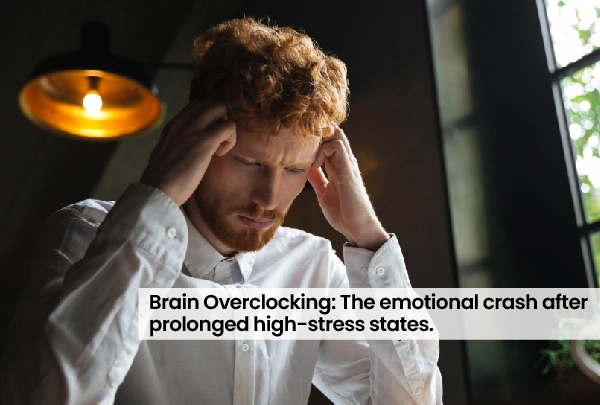
Everyone experiences moments when the mind feels constantly active, as though it never gets a chance to slow down. Whether it be managing workplace responsibilities, family dynamics, relationship concerns, or dealing with personal challenges, prolonged stress can leave you mentally exhausted. The metaphor “brain overclocking” is used when your brain is pushed to function continuously under pressure without adequate recovery. Understanding the emotional crash that follows prolonged high-stress states can help you recognise your limits, develop healthier coping strategies, and seek professional support when needed.
What is Brain Overclocking?
Brain overclocking describes periods when your mind stays excessively engaged in problem-solving, worrying, planning, and responding to demands, leaving little room for emotional recovery. Simply put, it can happen even when everything appears fine from the outside; you may feel irritable, emotionally numb, have difficulty concentrating, or suddenly have low motivation.
Common signs of mental overload include:
- Constantly thinking about unfinished tasks or future problems
- Difficulty relaxing
- Feeling mentally tired despite getting sleep
- Increased irritability or sensitivity
- Trouble focusing, paying attention, and making decisions
- Feeling emotionally disconnected
- Losing interest in activities
Recognising these signs early can help you understand when your mind needs recovery rather than additional pressure.
Why Does an Emotional Crash Happen After Prolonged Stress?
An emotional crash may occur when the demands placed on you exceed your available emotional and mental resources for a long period. Stress encourages people to prioritise immediate tasks while postponing their emotional needs, such as tiredness, suppressing frustration, skipping breaks, or convincing themselves to take a break or rest after everything is finished. Over time, these habits can make it harder to recognise your limits.
After prolonged stress, you may experience:
- Emotional exhaustion: Feeling drained, overwhelmed
- Mental fatigue: Finding it difficult to focus, organise thoughts, or make everyday decisions
- Emotional sensitivity: Reacting more strongly to criticism, conflict with anger, frustration, defensiveness
- Reduced motivation: Struggling to begin tasks or feeling less interested in previously meaningful activities
- Withdrawal: Wanting to spend more time alone or avoiding people
Persistent symptoms deserve attention, especially when they interfere with daily functioning.
How Does Chronic Stress Influence Emotional Well-Being?
Prolonged stress starts influencing how you think, feel, behave, and interact with others. When your mind remains focused on potential problems, it may become difficult to distinguish between genuine immediate threats and concerns that can be addressed gradually.
Chronic stress affects sleep quality, which then worsens concentration, mood, and stress tolerance. You might overthink conversations, anticipate negative outcomes, or interpret minor setbacks. At the same time, insufficient recovery can make emotional regulation more challenging, increasing the likelihood of frustration, procrastination, or feelings of helplessness.
How Can You Recover From Mental Overload?
Recovering from prolonged stress does not always require making dramatic changes overnight. Small, consistent adjustments can help create opportunities for rest and emotional recovery.
- Recognising your stress signals: Identify the patterns of change in your sleep, mood, energy, and behaviour to help you recognise when your current routine is becoming difficult to sustain.
- Create healthy boundaries: Set realistic expectations, schedule breaks, and, wherever possible, draw a clear line between work and personal time.
- Prioritise sleep and physical well-being: Maintain a consistent sleep schedule, eat regular balanced meals, and include appropriate physical activity in your routine.
- Reconnect with supportive people: Talking to a trusted friend, family member, or mental health professional can help you process difficult emotions instead of managing everything alone.
- Practise mindfulness and relaxation: Slow breathing, grounding exercises, meditation, or even a few minutes outdoors can help you redirect attention away from persistent worries.
What Are the Benefits of Preventing Prolonged Mental Overload?
Making emotional recovery a priority can support several aspects of everyday life, including:
- Improved emotional control and awareness
- Better concentration and decision-making
- Healthier relationships and communication
- More sustainable work habits
- Greater resilience when facing challenges
- Improved ability to recognise personal boundaries
- A healthier balance between life
Developing these habits can help you move away from a constant survival-oriented routine and toward a more balanced approach to personal and professional life.
How Can Psychological Counselling Help With Stress- Related Emotional Crashes?
Psychological counselling can provide a structured, supportive environment to explore the factors contributing to mental overload. A psychologist may help you identify unhelpful thinking patterns, understand emotional triggers, establish healthier boundaries, and develop practical strategies for managing stress.
Depending on your needs, therapy may involve cognitive behavioural techniques, emotional regulation skills, mindfulness-based strategies, and problem-solving approaches. These methods can help you respond to challenges more effectively while reducing the tendency to remain caught in cycles of worry and overthinking. The goal is not to eliminate stress. Instead, it is to build greater emotional flexibility, recognise personal limits, and develop sustainable ways to respond to life’s demands.
When To Seek Professional Mental Health Support?
Occasional tiredness after a stressful period is common. However, consider seeking professional support when emotional exhaustion persists, anxiety becomes difficult to manage, sleep problems continue, or your symptoms interfere with work, relationships, or daily activities. Recognising stress signals, setting realistic boundaries, prioritising rest, and maintaining supportive relationships can help you protect your emotional well-being. When these strategies are not enough, psychological counselling can provide personalised guidance and practical coping tools.
If you experience persistent low mood, significant loss of interest, severe anxiety, or feelings of hopelessness, a qualified mental health professional can help assess your concerns and recommend appropriate support.
Conclusion
Brain overclocking offers a useful metaphor for understanding what happens when the mind remains under prolonged pressure without sufficient recovery. The emotional crash that follows is not necessarily a sign of weakness or failure; it may be an indication that your current demands and coping strategies need attention.
For individuals seeking professional support in Dwarka 17 and Janakpuri, New Delhi, Psychowellness Center offers counselling services for concerns involving stress, anxiety, emotional regulation, relationships, and work-related challenges. You can contact the centre at 011-47039812 or 7827208707.
Remember, you do not have to wait until you feel completely overwhelmed to seek help. Giving your mind time to recover, understanding your emotional needs, and asking for support when necessary are important steps toward a healthier and more sustainable life.
Contributed by: Dr. R.K. Suri, Clinical Psychologist, and Ms. Vandana Krishnan, Counselling Psychologist
Frequently Asked Questions (FAQs):
- Why do I suddenly feel overwhelmed after prolonged stress?
When you repeatedly push aside your emotional needs to meet daily demands, stress can accumulate until you struggle to cope with even small challenges.
- How can I prevent prolonged mental overload?
Recognise early stress signals, maintain a balanced routine, manage expectations, schedule downtime, and address emotional concerns before they become overwhelming.
- How can I tell if I need rest or professional support for mental exhaustion?
Rest may help with temporary fatigue. If exhaustion, anxiety, low mood, or difficulty functioning persists despite rest, consider speaking with a mental health professional.
References
American Psychological Association. (2022, October 31). How stress affects your health. https://www.apa.org/topics/stress/health
McEwen, B. S. (1998). Protective and damaging effects of stress mediators. The New England Journal of Medicine, 338(3), 171–179. https://doi.org/10.1056/NEJM199801153380307
https://www.psychowellnesscenter.com/Blog/side-effects-of-emotional-overcontrol/
https://www.psychowellnesscenter.com/Blog/how-does-stress-affect-your-brain/
https://www.psychowellnesscenter.com/Blog/ways-to-come-out-of-emotional-wreck/
https://www.psychowellnesscenter.com/Blog/helpful-ways-to-handle-chronic-stress/
How Can Mindfulness Help Calm the Mind After Prolonged Periods of Mental Overload?