
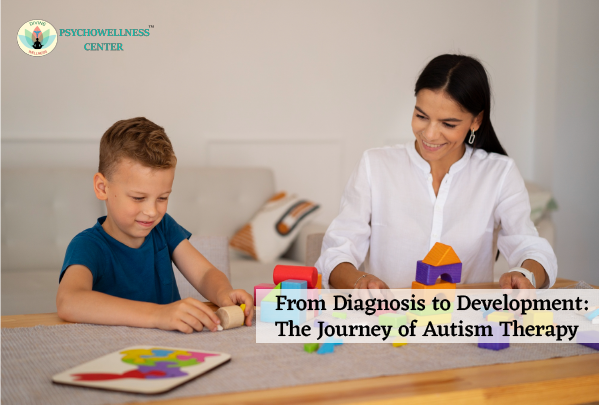
Autism Spectrum Disorder (ASD) is a neurodevelopmental condition that affects communication, behavior, social interaction, and sensory processing. Every individual with autism is unique, which is why the journey from diagnosis to development looks different for each child and family. While receiving an autism diagnosis can initially feel overwhelming for parents, early intervention, structured therapy, and compassionate support can significantly improve a child’s development and quality of life. Autism therapy near me is not about “changing” a child; rather, it focuses on helping individuals build communication, emotional, behavioral, and life skills that support independence and well-being.
The Importance of Early Diagnosis
The journey of autism therapy begins with recognition and understanding. Many parents first notice developmental differences such as delayed speech, limited eye contact, repetitive behaviors, sensory sensitivities, or difficulty with social interaction. Pediatricians, child psychologists, and developmental specialists use assessments, behavioral observations, and developmental screenings to identify autism. Receiving a diagnosis often brings mixed emotions, confusion, fear, relief, and concern about the future. However, a diagnosis is not the end of the road; it is the beginning of a guided developmental journey.
Early diagnosis plays a critical role in improving outcomes. Research consistently shows that early intervention can help children develop language, social, cognitive, and adaptive skills more effectively. Therapy introduced during early childhood takes advantage of brain plasticity, allowing children to learn and adapt more easily. Even though autism is a lifelong condition, supportive interventions can help individuals lead meaningful and fulfilling lives.
Individualized Therapy Approaches
One of the most important aspects of autism therapy is individualized care. No single therapy works for everyone because autism exists on a spectrum. Some children may struggle primarily with communication, while others may face challenges related to sensory regulation, emotional expression, or daily functioning. Therefore, therapists create personalized intervention plans tailored to the child’s strengths, needs, developmental level, and family goals.
Role of Speech and Language Therapy
Speech and language therapy is often one of the first interventions introduced after diagnosis. Many autistic children experience delayed language development or difficulty understanding and using communication effectively. Speech therapy helps children improve verbal communication, nonverbal communication, social interaction skills, and comprehension. Some children may learn to express themselves using gestures, picture exchange systems, or assistive communication devices when verbal speech is limited. As communication improves, frustration and emotional outbursts often decrease because children gain healthier ways to express their needs and emotions.
Behavioral Therapy and Emotional Regulation
Behavioral therapy is another significant component of autism support. Therapies such as Applied Behavior Analysis (ABA) focus on teaching positive behaviors and reducing behaviors that interfere with learning or social functioning. Behavioral interventions can help children improve attention span, self-regulation, emotional control, and adaptive behaviors. Positive reinforcement strategies encourage learning through structured and supportive methods. However, modern autism therapy increasingly emphasizes respect, emotional understanding, and child-centered approaches rather than rigid behavioral control.
Occupational Therapy and Daily Living Skills
Occupational therapy also plays a crucial role in helping autistic individuals develop daily living skills. Many children with autism experience sensory sensitivities, coordination difficulties, or challenges with routines such as dressing, eating, or handwriting. Occupational therapists work on fine motor skills, sensory integration, self-care abilities, and environmental adaptation. By addressing sensory processing issues, children often become more comfortable and confident in everyday situations such as school, social gatherings, or public spaces.
Building Social Skills and Confidence
Social skills training is equally important because many autistic individuals struggle with understanding social cues, maintaining conversations, or building peer relationships. Through structured activities, role-playing, and guided interaction, therapists help children learn empathy, turn-taking, emotional recognition, and relationship-building skills. Social development not only improves communication but also enhances self-esteem and emotional well-being.
The Role of Parents and Family Support
Parents and caregivers are key partners in the healing process. Autism therapy is most effective when strategies are reinforced consistently at home and in everyday environments. Parent training programs help caregivers understand their child’s needs, communication style, sensory sensitivities, and emotional experiences. When families receive emotional support and practical guidance, they become better equipped to advocate for and nurture their child’s development. Parenting a child with autism can sometimes feel emotionally demanding, making counseling and family support equally important.
Educational Support and Inclusion
Schools and educational systems also contribute significantly to developmental progress. Inclusive educational settings, individualized learning plans, and teacher collaboration can create supportive environments for autistic students. Children thrive when educators understand neurodiversity and adapt teaching methods to accommodate sensory, social, and communication needs. Structured routines, visual supports, and positive reinforcement often help children feel secure and engaged in learning environments.
Embracing Progress Over Perfection
The journey from diagnosis to development is rarely linear. Families may experience periods of rapid improvement alongside moments of frustration or setbacks. Progress can take time, and comparing one child’s development to another can create unnecessary pressure. Success in autism therapy should not only be measured by academic or behavioral milestones but also by improvements in self-confidence, emotional expression, social comfort, and overall quality of life. Celebrating small achievements is an important part of the therapeutic journey.
Growing Awareness About Neurodiversity
In recent years, awareness about neurodiversity has shifted the conversation around autism. Instead of viewing autism solely as a disorder to be “fixed,” professionals increasingly recognize and value the unique strengths, talents, and perspectives autistic individuals bring to society. Many autistic individuals possess exceptional creativity, attention to detail, memory skills, honesty, and focused interests. Therapy today aims to empower individuals while respecting their identity and individuality.
Support Through Psychowellness Center
Professional mental health support can make a meaningful difference for children with autism and their families. At Psychowellness Center, experienced best child psychologists in Dwarka and best autism counselors near me provide comprehensive autism therapy and developmental support tailored to individual needs. The center focuses on evidence-based interventions, emotional care, behavioral management, speech support, child counseling near me, and family counseling to help children achieve their developmental potential in a nurturing environment. Services are available at Janakpuri and Dwarka Sector-17 locations. Families seeking guidance and professional support can contact the center at 011-47039812 or 7827208707 for appointments and consultations.
Conclusion
Autism therapy is ultimately a journey of growth, acceptance, resilience, and empowerment. With timely diagnosis, compassionate intervention, family involvement, and supportive communities, autistic individuals can develop essential life skills and flourish in their own unique ways. The goal is not perfection but progress, helping every child feel understood, valued, and capable of reaching their fullest potential.
Contributions: Dr. R.K. Suri, Clinical Psychologist, and Ms. Sakshi Dhankhar, Counselling Psychologist
References
American Psychiatric Association. (2022). Diagnostic and statistical manual of mental disorders (5th ed., text rev.). American Psychiatric Publishing.
https://www.psychowellnesscenter.com/Blog/guide-to-handle-developmental-delays-in-children/
https://www.psychowellnesscenter.com/Blog/treatment-options-at-an-autism-therapy-centre-near-me/
https://www.psychowellnesscenter.com/Blog/autism-therapy-near-me-for-early-development-intervention/
Centers for Disease Control and Prevention. (2024). Autism spectrum disorder (ASD). https://www.cdc.gov/autism
National Institute of Mental Health. (2023). Autism spectrum disorder. https://www.nimh.nih.gov/health/topics/autism-spectrum-disorders-asd
Volkmar, F. R., & Wiesner, L. A. (2017). Healthcare for children on the autism spectrum: A guide to medical, nutritional, and behavioral issues. Woodbine House.