
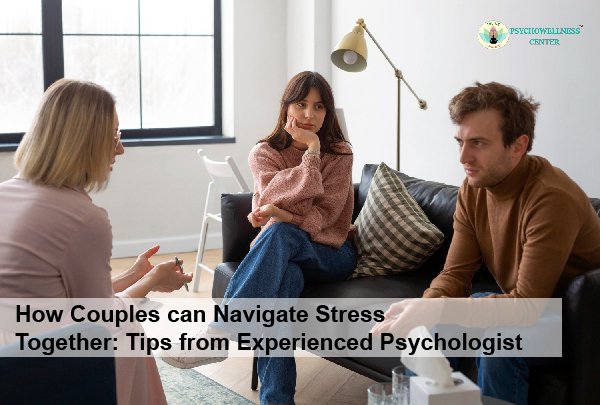
Stress is a natural part of life. It can come from work pressure, financial responsibilities, family expectations, or personal struggles. But when stress enters a relationship, it doesn’t stay limited to one person—it starts affecting communication, emotional connection, and overall harmony between partners. Many couples notice that during stressful phases, small disagreements turn into arguments, emotional distance increases, and misunderstandings become more frequent. However, stress does not have to damage a relationship. When handled the right way, it can actually strengthen emotional bonding and deepen understanding between partners. This blog explores simple, practical, and psychologically sound ways to help couples manage stress together—without losing connection.
Understanding Stress in Relationships
When individuals are under stress, their emotional responses change. Some people become irritable, while others withdraw or shut down. These reactions are often misunderstood, leading to frustration and conflict.
For example:
- One partner may want to talk constantly
- The other may need silence and space
This difference can create tension if not understood. Stress should not be seen as “your problem” or “my problem,” but rather as a shared challenge within the relationship. In many cases, stress can also contribute to anxiety and emotional imbalance, making communication even more difficult.
Communicate Before Emotions Overflow
One of the most common mistakes couples make is avoiding communication during stressful times. People often think they are protecting their partner by not sharing their worries, but this leads to emotional buildup.
Simple communication can make a big difference:
- “I’m feeling overwhelmed today.”
- “Can we talk for a few minutes?”
These small efforts create emotional safety and prevent misunderstandings. When communication improves, emotional connection naturally strengthens.
Be a Team, Not Opponents
Stress often creates a mindset where partners start blaming each other. This can turn small issues into larger conflicts.
Instead of:
“You don’t understand me”
Try:
“How can we handle this together?”
This shift in mindset transforms the dynamic from conflict to collaboration. It also helps reduce stress within the relationship by promoting mutual support rather than criticism.
Understand Different Coping Styles
Everyone deals with stress differently. Some prefer to talk, while others need time alone. These differences are natural but can create confusion if not acknowledged.
For example:
- One partner may express frustration openly
- The other may become quiet and withdrawn
Recognising these patterns helps avoid unnecessary conflict. It also supports emotional balance and improves mutual understanding.
Prioritise Emotional Connection
When life becomes stressful, couples often focus only on solving problems and forget to maintain emotional closeness.
Simple actions can help:
- Spending quality time together
- Checking in emotionally
- Sharing small daily moments
These actions may seem small, but they help reduce feelings of loneliness and strengthen emotional bonding.
Set Healthy Boundaries Around Stress
Not every stressor needs to enter your relationship space. Setting boundaries helps maintain balance.
For example:
- Avoid discussing work stress during personal time
- Create “no-stress zones” like dinner or bedtime
- Set time aside for relaxation together
This approach helps in managing workplace stress without letting it affect the relationship negatively.
Avoid Blame, Practice Empathy
Blame creates distance, while empathy builds connection.
- Instead of reacting immediately, pause and ask:
- “What might my partner be feeling right now?”
This simple shift encourages emotional understanding. It also reduces unnecessary conflict and helps partners feel supported. In many cases, a lack of empathy can lead to patterns of couple conflicts, which can be prevented through conscious effort and awareness.
Take Breaks and Recharge Together
Sometimes the best solution is to take a step back. Continuous stress without breaks can lead to burnout in relationships.
Try:
- Going for a walk together
- Watching something relaxing
- Spending time without discussing problems
These moments help reset emotional energy and bring a sense of calm.
Seek Professional Support When Needed
There are times when stress becomes overwhelming and starts affecting the relationship deeply. Signs include:
- Frequent arguments
- Emotional disconnection
- Lack of communication
- Feeling misunderstood or unheard
In such situations, professional support can be extremely helpful. Therapy provides a neutral and supportive space to understand patterns, improve communication, and rebuild emotional connection.
Conclusion
Stress is unavoidable, but it does not have to harm your relationship. With the right approach, couples can learn to navigate challenges together and come out stronger.
Seeking help through relationship counselling near me, couple counselling near me, or marriage counselling near me can provide structured guidance and practical tools to improve communication and emotional connection. Professional support from the Psychowellness Centre offers personalised therapy for couples dealing with stress, emotional distance, and communication challenges. Their team of experienced psychologists helps couples build healthier patterns and stronger relationships.
Psychowellness Centre also provides informative YouTube videos on stress management, relationship conflicts, and emotional well-being, along with guidance on relationship counselling, helping couples understand practical strategies to strengthen communication and improve their bond. Managing stress in a relationship is not about avoiding challenges—it is about learning how to face them together with understanding, patience, and support.
Contributions: Dr. R.K. Suri, Clinical Psychologist, and Ms. Swati Yadav, Counselling Psychologist
References
- American Psychological Association. (2023). Stress effects on relationships. https://www.apa.org/topics/stress/relationships
- Gottman, J. M., & Silver, N. (2015). The Seven Principles for Making Marriage Work. Harmony Books.
- Bodenmann, G. (2005). Dyadic coping and its significance for marital functioning. European Psychologist, 10(2), 137–148. https://doi.org/10.1027/1016-9040.10.2.137