
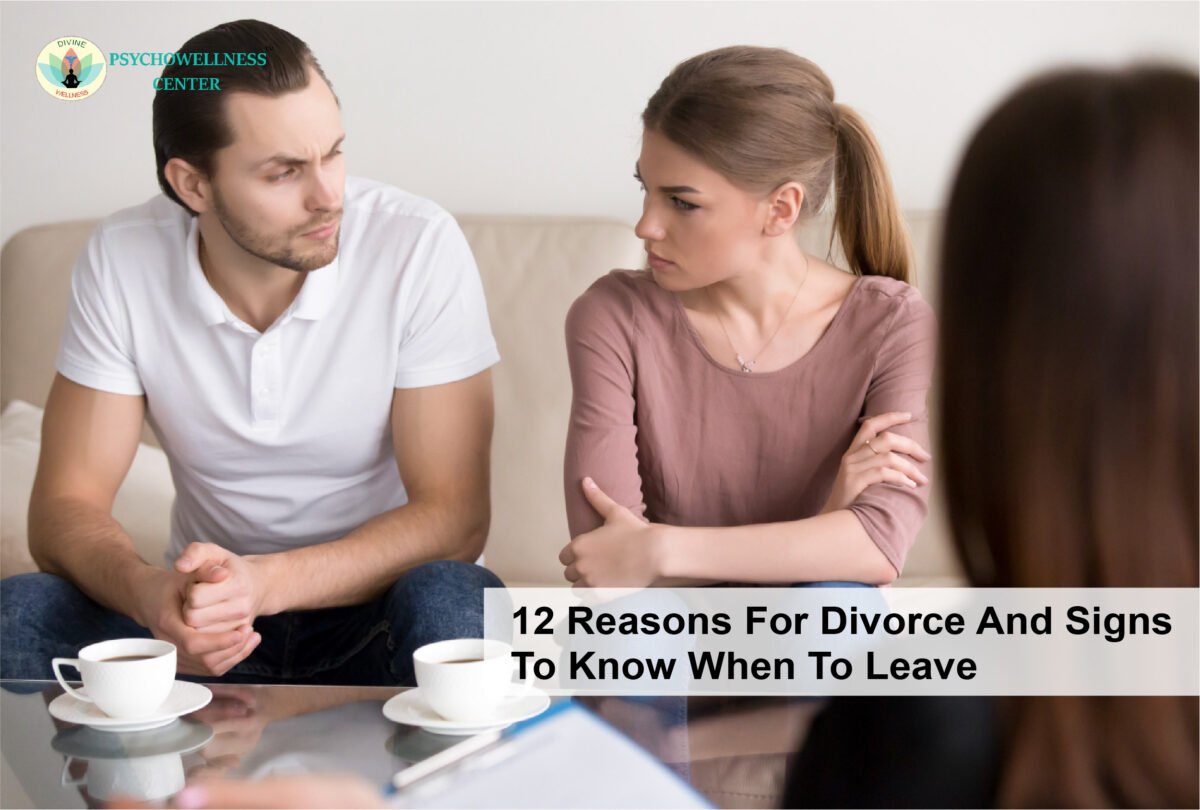
Marriage is often built on love, trust, and shared dreams, but over time, challenges can arise that test even the strongest relationships. While every relationship goes through ups and downs, certain patterns, if left unresolved, can lead to emotional distance and, eventually, divorce. Understanding the reasons behind relationship breakdowns—and recognising when it may be time to leave—can help individuals make informed and healthy decisions.
12 Common Reasons for Divorce
- Lack of Communication:- Poor communication is one of the leading causes of marital dissatisfaction. When partners stop expressing their thoughts and emotions openly, misunderstandings and resentment build over time.
- Infidelity and Breach of Trust:- Trust is the foundation of any relationship. Infidelity, whether emotional or physical, can deeply hurt a partner and often leads to irreparable damage.
- Financial Conflicts:- Disagreements over money, spending habits, or financial priorities can create ongoing stress and arguments.
- Emotional or Physical Abuse:- Any form of abuse—verbal, emotional, or physical—is a serious issue. It not only harms the individual but also erodes the relationship’s foundation.
- Lack of Intimacy:- Emotional and physical intimacy are crucial for connection. A lack of closeness can create feelings of loneliness within the relationship.
- Constant Conflict and Arguments:- Frequent unresolved arguments can turn into a toxic pattern, leaving both partners feeling drained and unheard.
- Growing Apart:- Over time, individuals may evolve in different directions, leading to a loss of shared values, interests, or goals.
- Unrealistic Expectations:- Expecting a partner to meet all emotional, social, and personal needs can create disappointment and frustration.
- Addiction Issues:- Substance abuse or behavioural addictions (like gambling) can strain relationships and create instability.
- Lack of Respect:- Disrespectful behaviour, criticism, or contempt can significantly damage emotional bonds.
- Family and In-Law Conflicts:- External pressures from extended family can interfere with the couple’s independence and harmony.
- Mental Health Challenges:- Untreated mental health issues, such as anxiety, depression, or personality concerns, can affect relationship dynamics if not addressed with care and support.
Signs It May Be Time to Leave
Leaving a marriage is never an easy decision, but certain signs may indicate that continuing the relationship is more harmful than beneficial:
- There is ongoing abuse or fear in the relationship
- Efforts to improve the relationship consistently fail
- Trust has been broken and cannot be rebuilt
- You feel isolated, unheard, or invalidated
- There is no willingness from one or both partners to change
- Your mental and physical health is deteriorating
- You feel happier and more at peace when apart from your partner
Recognising these signs can empower individuals to prioritise their well-being and take necessary steps toward a healthier life.
The Emotional Impact of Divorce
Divorce can bring a mix of emotions—grief, relief, guilt, fear, and uncertainty. It is not just the end of a relationship but also a transition that affects identity, family dynamics, and plans. Without proper support, individuals may struggle with anxiety, depression, or low self-esteem.
How Psychowellness Center Can Help
Navigating relationship challenges and the possibility of divorce can be overwhelming. This is where professional support becomes essential.
- Relationship Counselling: Experienced psychologists help couples improve communication, resolve conflicts, and, where possible, rebuild trust.
- Individual Therapy: For those considering separation or coping with divorce, therapy provides a safe space to process emotions and develop resilience.
- Mental Health Support: Addressing anxiety, depression, and stress that often accompany marital issues.
- Guidance for Life Transitions: Helping individuals rebuild their lives, regain confidence, and move forward with clarity.
The center adopts evidence-based approaches such as Cognitive Behavioural Therapy (CBT), mindfulness techniques, and emotionally focused therapy to support healing and growth.
Conclusion
While some relationships can heal with effort and support, others may require letting go for the sake of emotional and physical well-being. The key is to make decisions from a place of awareness, not fear. Seeking guidance from professionals, such as those at Psychowellness Center, recognised as the best marriage counsellor near me, can provide the clarity and support needed during this challenging time. Consulting a trusted marriage counsellor in Delhi NCR can help couples navigate emotional complexities and make informed decisions. Psychowellness Centre at Dwarka and Janakpuri, New Delhi (Contact: 011-47039812 / 7827208707) provides a safe and supportive environment to understand emotions, improve emotion control, and foster resilience. Remember, choosing your well-being is not selfish—it is essential.
To deepen your understanding of relationship counselling and how professional support can make a difference, you can also explore the informative videos available on the Psychowellness Center page. These resources offer practical insights and guidance that complement the ideas discussed above, helping you move forward with greater clarity and confidence. Remember, choosing your well-being is not selfish—it is essential.
Contributions: Dr. R.K. Suri, Clinical Psychologist, and Ms. Riya Rathi Counselling Psychologist
References
- Amato, P. R. (2010). Research on divorce: Continuing trends and new developments. Journal of Marriage and Family, 72(3), 650–666. https://doi.org/10.1111/j.1741-3737.2010.00723.x
- Gottman, J. M., & Silver, N. (2015). The seven principles for making marriage work (Revised ed.). Harmony Books.
- Lebow, J. L., Chambers, A. L., Christensen, A., & Johnson, S. M. (2012). Research on the treatment of couple distress. Journal of Marital and Family Therapy, 38(1), 145–168. https://doi.org/10.1111/j.1752-0606.2011.00249.x