
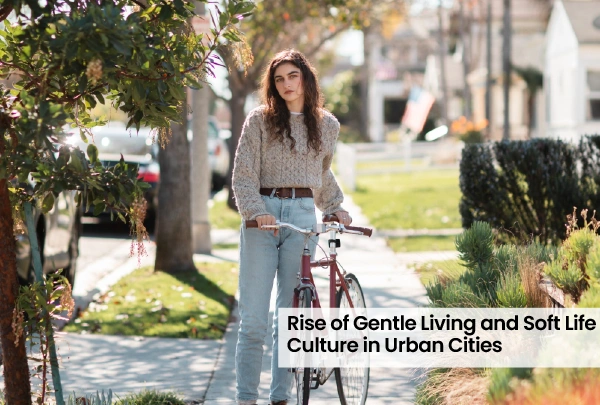
Modern urban life is often associated with ambition, constant productivity, and an endless pursuit of success. Although these goals might be inspiring, they have also led to an increase in stress and emotional tiredness among city dwellers. Long working hours, digital overload, financial pressures, and social expectations have encouraged many individuals to rethink what a meaningful life truly looks like. As a result, a growing movement known as “gentle living” or the “soft life” culture has emerged, encouraging people to prioritize well-being over relentless busyness.
Rather than promoting laziness or avoiding responsibility, gentle living emphasizes slowing down, making intentional choices, and creating a balanced lifestyle that nurtures both mental and physical health. This cultural shift reflects an increasing awareness that sustainable happiness comes not only from achievement but also from inner peace, meaningful relationships, and self-care.
Understanding Gentle Living and Soft Life Culture
Gentle living is a lifestyle philosophy that encourages people to reduce unnecessary stress and embrace simplicity. The concept focuses on living with intention, maintaining healthy routines, setting realistic expectations, and appreciating small moments of joy. The soft life culture similarly promotes emotional well-being by encouraging individuals to let go of constant hustle and create lives centered on peace, fulfillment, and personal values.
Unlike traditional ideas of success that prioritize external accomplishments, gentle living values emotional balance, rest, and overall quality of life. It encourages people to redefine success based on their own needs rather than societal expectations.
Why Urban Residents Are Embracing Gentle Living
Although urban settings offer many benefits, they also pose certain psychological difficulties. Fast-paced work cultures, crowded spaces, traffic congestion, financial demands, and constant digital connectivity often leave little room for relaxation or reflection.
Many people struggle to strike a balance between their personal goals, family obligations, and work objectives, which leads to rising anxiety levels. Social media further intensifies comparison, creating unrealistic standards of success and productivity. In response, many people are consciously choosing slower lifestyles that allow them to focus on their emotional well-being instead of external validation.
The Psychological Benefits of a Soft Life
Choosing a gentler lifestyle offers several mental health benefits. People who intentionally slow down often report greater emotional stability, improved concentration, better sleep quality, and stronger resilience during stressful situations.
By promoting deep social connections rather than shallow digital participation, gentle living also lessens feelings of loneliness. Genuine human connection and emotional fulfillment are fostered by spending time with loved ones, rekindling interests, and taking part in community events.
Additionally, reducing chronic stress allows individuals to experience improved physical health, including lower blood pressure, better immune functioning, and greater overall life satisfaction.
Building Healthier Relationships Through Gentle Living
One of the most significant advantages of this lifestyle is its positive influence on every relationship. When individuals are constantly overwhelmed, they often have limited emotional energy to invest in family, friends, or partners. Gentle living encourages presence, active listening, empathy, and quality time.
Instead of measuring success solely through professional achievements, people begin prioritizing shared experiences, open communication, and mutual support. These practices strengthen trust and create healthier interpersonal connections that contribute significantly to long-term happiness.
Learning Emotional Balance
An important aspect of gentle living involves developing healthier emotional control. Rather than suppressing difficult emotions or reacting impulsively, individuals learn to acknowledge their feelings with self-compassion and respond thoughtfully.
Journaling, emotional awareness, self-reflection, and thankfulness exercises are some practices that help people identify emotional triggers and react more composedly in difficult circumstances. Over time, this improves resilience and reduces emotional burnout.
Mindfulness as a Foundation
One of the core principles supporting gentle living is present-moment awareness. Professional approaches such as mindfulness therapy teach individuals to observe their thoughts and emotions without judgment while remaining grounded in the present.
Mindfulness practices including meditation, mindful breathing, and body awareness reduce stress, improve concentration, and enhance emotional well-being. Instead of always responding to outside demands, these strategies assist people in making more deliberate daily decisions.
Therapeutic Approaches That Support Gentle Living
While lifestyle changes are beneficial, some individuals may require professional support to navigate persistent emotional challenges. Mental health professionals often incorporate evidence-based interventions that align well with the philosophy of gentle living.
For example, dialectical behaviour therapy helps individuals develop healthier coping strategies, regulate emotions, tolerate distress, and improve interpersonal effectiveness. These skills enable people to manage daily stressors while building greater psychological flexibility and resilience.
Therapy also assists individuals in identifying perfectionistic beliefs, unrealistic expectations, and self-critical thinking patterns that often prevent a balanced lifestyle.
Practical Ways to Embrace Gentle Living
Adopting a softer approach to life does not require dramatic changes. Small daily habits can gradually create lasting improvements.
Some practical strategies include:
- Creating realistic daily schedules.
- Limiting unnecessary screen time.
- Prioritizing quality sleep.
- Spending time in nature.
- Practicing gratitude every day.
- Learning to say no without guilt.
- Taking regular breaks during work.
- Investing in meaningful relationships.
- Celebrating small achievements.
- Seeking professional help when needed.
These simple habits help reduce mental fatigue while improving overall well-being.
When Professional Support Can Help
Although gentle living encourages self-care, professional guidance can provide valuable support when emotional challenges become overwhelming. Individuals experiencing persistent stress, emotional exhaustion, or difficulty adjusting to life changes may benefit from consulting the Best Psychologists in Delhi or an experienced psychologist in Delhi NCR.
With the increasing availability of online mental health services, searching for a trusted therapist near me or counsellor near me has become more convenient than ever. Professional counselling can help individuals develop healthier coping skills, improve emotional resilience, and create personalized strategies for maintaining a balanced lifestyle.
Conclusion
The rise of gentle living and soft life culture reflects a meaningful shift in how people define success and happiness. Rather than glorifying constant busyness, this movement encourages intentional living, emotional balance, meaningful relationships, and self-compassion. In today’s demanding urban environments, choosing to slow down is not a sign of weakness, it is an investment in long-term psychological well-being.
To better understand and manage the emotional challenges associated with fast-paced urban living, chronic stress, burnout, and the demands of modern life, individuals can seek professional support at Psychowellness Center. Services are available in person at Dwarka and Janakpuri, New Delhi (Contact: 011-47039812 / 7827208707) and online through TalktoAngel. With the guidance of experienced mental health professionals, individuals can receive comprehensive psychological assessments, evidence-based psychotherapy, individualized treatment plans, stress management interventions, mindfulness-based techniques, emotional regulation training, lifestyle modification strategies, work-life balance counseling, resilience-building support, and personalized guidance that promotes emotional well-being, healthier daily habits, greater psychological flexibility, and a more balanced and fulfilling life.
Gentle living encourages people to make intentional choices that nurture both their mind and body, creating sustainable habits instead of chasing constant productivity. Embracing balanced daily wellness practices can improve emotional resilience, reduce stress, and contribute to a more fulfilling and harmonious way of life.
Contributions: Dr. R.K. Suri, Clinical Psychologist, and Ms. Mahima Mathur, Counselling Psychologist
References
Kabat-Zinn, J. (2015). Mindfulness (Revised ed.). Hachette Books.
Maslach, C., & Leiter, M. P. (2022). The burnout challenge: Managing people’s relationships with their jobs. Harvard Business Review Press.
Seligman, M. E. P. (2011). Flourish: A visionary new understanding of happiness and well-being. Free Press.
World Health Organization. (2022). World mental health report: Transforming mental health for all. World Health Organization. https://www.who.int/publications/i/item/9789240049338
https://www.psychowellnesscenter.com/Blog/healing-in-the-city-the-power-of-urban-green-spaces/
https://www.psychowellnesscenter.com/Blog/design-your-room-to-support-mental-health/