
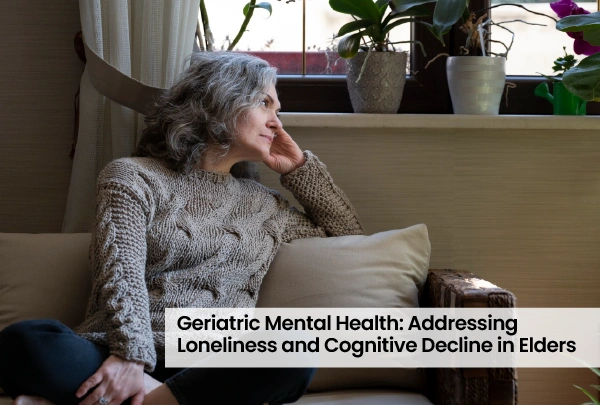
Ageing is a natural part of life, but it often brings significant emotional, social, and cognitive challenges. Retirement, the death of a loved one, deteriorating physical condition, less social interaction, and changes in independence are all possible outcomes of growing older. These transitions can affect mental well-being and contribute to loneliness, stress, and cognitive decline. Geriatric counselling focuses on understanding and addressing these concerns to help older adults maintain a meaningful, healthy, and fulfilling life.
With increasing life expectancy worldwide, promoting mental wellness among older adults has become more important than ever. Early intervention, strong family support, and professional counselling can significantly improve quality of life and emotional resilience in elders.
Understanding Loneliness in Older Adults
Loneliness is one of the most common mental health challenges faced by seniors. While living alone does not necessarily mean being lonely, social isolation can increase feelings of emotional distress and disconnection.
Several factors contribute to loneliness among older adults:
- Retirement and loss of workplace relationships
- Death of a friend, spouse, or relative
- Mobility limitations and chronic illnesses
- Reduced participation in social activities
- Geographic distance from children and relatives
Research has shown that prolonged loneliness can negatively affect both mental and physical health. It has been linked to anxiety, cardiovascular problems, weakened immunity, and an increased risk of cognitive impairment. Older adults who feel isolated often experience low motivation, making it difficult to engage in daily activities, maintain meaningful friendship, and preserve positive mental health.
Cognitive Decline and Ageing
Cognitive decline refers to gradual changes in memory, thinking, attention, language, and problem-solving abilities. While some cognitive slowing is a normal part of ageing, significant impairment may indicate conditions such as mild cognitive impairment (MCI) or dementia.
Common signs of cognitive decline include:
- Frequently forgetting appointments or conversations
- Difficulty concentrating
- Trouble managing finances or medications
- Confusion about time or place
- Challenges in decision-making
- Problems finding the right words during conversations, which may sometimes resemble a communication disorder
Cognitive decline can be distressing not only for older adults but also for their families. Early identification and appropriate interventions can help slow progression and improve daily functioning.
The Connection Between Loneliness and Cognitive Decline
Recent studies suggest a strong relationship between loneliness and cognitive decline. Chronic social isolation may reduce mental stimulation and increase stress hormones, both of which can negatively affect brain health.
When older adults engage less frequently in meaningful conversations and social activities, the brain receives fewer opportunities for cognitive exercise. Over time, this lack of stimulation may contribute to memory difficulties and reduced cognitive performance.
Furthermore, loneliness often increases the risk of depression, which itself can impair attention, memory, and overall cognitive functioning. Addressing loneliness, therefore, plays a critical role in maintaining brain health during ageing while strengthening relationships with family and caregivers.
Strategies to Reduce Loneliness and Support Cognitive Health
- Encourage Social Connections
Maintaining regular contact with family, friends, neighbours, and community groups can significantly reduce feelings of isolation. Even simple phone calls or weekly visits can improve emotional well-being.
Community centres, senior clubs, and volunteer opportunities provide valuable avenues for social engagement and meaningful interaction, helping reduce social anxiety and encouraging greater confidence.
2. Promote Physical Activity
Exercise benefits both physical and mental health. Activities such as walking, yoga, stretching, and light aerobics can improve mood, reduce stress, and support cognitive functioning.
Regular physical activity also enhances blood circulation to the brain, which may help preserve memory and attention skills while improving emotion control during challenging situations.
3. Engage in Cognitive Stimulation
Mental exercises help keep the brain active. Older adults can benefit from:
- Reading books and newspapers
- Solving puzzles and crosswords
- Learning new skills
- Playing memory-enhancing games
- Participating in educational programs
Lifelong learning promotes neuroplasticity and may help delay cognitive decline. Incorporating mindfulness practices alongside these activities may further enhance emotional well-being.
4,. Maintain a Healthy Lifestyle
Proper nutrition, quality sleep, hydration, and routine medical checkups are essential for mental health. Diets rich in fruits, vegetables, whole grains, and healthy fats have been associated with better cognitive functioning.
Managing chronic health conditions such as diabetes, hypertension, and cardiovascular disease can also reduce the risk of cognitive impairment while supporting healthy coping with grief and loss experienced during later life.
Seek Professional Mental Health Support
Counselling can provide a safe space for older adults to express emotions, process grief, manage emotional difficulties, and develop coping strategies. Professional support is especially important when loneliness or cognitive changes begin affecting daily life.
Many families seek guidance from experienced mental health professionals to help older adults navigate emotional challenges associated with ageing. Comprehensive psychological assessment and personalised intervention plans can also address interpersonal problems that may arise within families or social settings.
The Role of Counselling in Geriatric Mental Health
Counselling offers numerous benefits for seniors experiencing emotional or cognitive concerns. Therapeutic interventions may include:
- Cognitive Behavioural Therapy (CBT)
- Supportive counseling
- Reminiscence therapy
- Family counseling
- Stress management techniques
- Grief counseling
Professional counselling helps older adults develop healthier coping mechanisms, improve resilience, and strengthen emotional well-being. Families also benefit from working with experienced psychologists who can guide both seniors and caregivers through age-related transitions.
When to Seek Help
If an older adult needs professional assistance, think about:
- Frequently expresses sadness or hopelessness
- Withdraws from social interactions
- Experiences persistent memory difficulties
- Shows noticeable personality changes
- Has difficulty performing daily activities
- Displays signs of confusion or emotional distress
Searching for a qualified counsellor near me or a trusted Counseling Center Near me can be the first step toward improving emotional well-being and maintaining cognitive health.
Professional Support in Janakpuri and Dwarka, Delhi
The services provided by Psychowellness Center may be of interest to those in need of expert psychological assistance. With centres conveniently located in Janakpuri and Dwarka Sec-17, Delhi, the clinic provides confidential and evidence-based mental health care. To book an appointment or learn more about the services, individuals can contact 011-47039812 or 7827208707.
Conclusion
Mental and physical well-being are equally important in older life. An elder’s quality of life can be greatly impacted by loneliness and cognitive decline, although these problems are not unavoidable as people age. Through social engagement, healthy lifestyle choices, cognitive stimulation, and professional counselling, older adults can maintain emotional well-being and cognitive functioning for longer periods.
Seniors can have healthier and more satisfying lives because of their individualized approach. Additionally, professional intervention can help older persons better control their anger, lessen depressive symptoms, and enhance their general quality of life.
Contributions: Dr. R.K. Suri, Clinical Psychologist, and Mr. Harshit , Counselling Psychologist
References
- Cacioppo, J. T., & Hawkley, L. C. (2009). Perceived social isolation and cognition. Trends in Cognitive Sciences, 13(10), 447–454. https://doi.org/10.1016/j.tics.2009.06.005
- Livingston, G., Huntley, J., Sommerlad, A., Ames, D., Ballard, C., Banerjee, S., … Mukadam, N. (2020). Dementia prevention, intervention, and care: 2020 report of the Lancet Commission. The Lancet, 396(10248), 413–446. https://doi.org/10.1016/S0140-6736(20)30367-6
- National Institute on Aging. (2024). Social isolation, loneliness, and health in older adults. Bethesda, MD: National Institutes of Health.
- Santini, Z. I., Jose, P. E., Cornwell, E. Y., Koyanagi, A., Nielsen, L., Hinrichsen, C., … Koushede, V. (2020). Social disconnectedness, perceived isolation, and symptoms of depression and anxiety among older Americans. Aging & Mental Health, 24(3), 469–478. https://doi.org/10.1080/13607863.2018.1544220
- World Health Organization. (2023). Mental health of older adults. Geneva, Switzerland: World Health Organization. https://www.who.int