
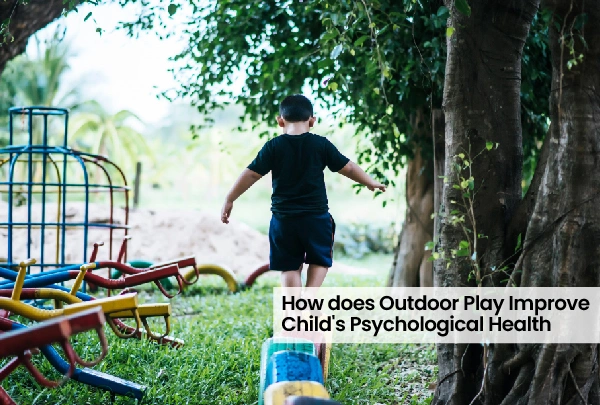
Childhood is a period of rapid emotional, cognitive, social, and physical development. During these years, children learn not only through classroom instruction but also through exploration, movement, imagination, and interaction with their surroundings. Outdoor play provides opportunities for children to run, climb, observe nature, create games, solve problems, and interact with peers in ways that can support healthy development.
Modern lifestyles, academic demands, screen-based entertainment, and limited access to safe outdoor spaces can reduce opportunities for spontaneous play. Encouraging children to spend meaningful time outdoors can therefore be an important part of a balanced developmental routine. Outdoor activities should not be viewed simply as recreation; they can contribute to emotional regulation, social learning, confidence, physical well-being, and psychological resilience.
The Psychological Value of Outdoor Activities
Outdoor play provides children with opportunities to experience freedom, choice, and manageable challenges. These experiences can support psychological development by allowing children to make decisions, experiment with new activities, and learn from both success and failure.
Regular outdoor activity may help reduce stress by providing a break from academic responsibilities and structured routines. Physical movement and enjoyable activities can also create opportunities for relaxation and positive emotional experiences.
For some children, anxiety may be associated with unfamiliar situations, academic expectations, social interactions, or fear of making mistakes. Outdoor play can provide gradual opportunities to face manageable challenges while developing confidence. Activities such as climbing, cycling, group games, or exploring a new environment can encourage children to take appropriate risks within safe boundaries.
Regular engagement with outdoor activities may also support children experiencing low mood. Although outdoor play is not a treatment for depression, enjoyable movement, social connection, exposure to natural environments, and opportunities for achievement may contribute positively to overall emotional well-being.
Supporting Healthy Routines
Outdoor play can influence several aspects of a child’s daily routine. Physical activity during the day may support healthy sleep patterns, particularly when children maintain consistent routines and have adequate opportunities for movement.
Outdoor activities also contribute to physical health, which is closely connected with psychological well-being. Running, jumping, balancing, cycling, and playing sports can develop coordination, strength, endurance, and motor skills. A healthy body can support children’s energy levels and participation in everyday activities.
Parents can create predictable routines that include time for outdoor recreation while maintaining appropriate time for schoolwork, rest, family activities, and hobbies. This balanced approach can help children develop healthy habits without making play feel like another compulsory task.
Learning Emotional Regulation Through Play
Play naturally creates situations in which children experience excitement, frustration, competition, disappointment, and achievement. These experiences provide opportunities to develop emotional skills. For example, losing a game may initially trigger anger, frustration, or disappointment. With supportive guidance, children can learn to pause, identify their feelings, communicate appropriately, and try again. These experiences gradually contribute to emotion control and problem-solving abilities.
Outdoor play also allows children to practise coping with uncertainty. A game may not proceed exactly as expected, weather conditions may change, or children may disagree about rules. Learning to adapt to these situations helps develop flexibility and emotional awareness.
Building Confidence and Independence
Outdoor environments can encourage children to make choices independently. They may decide which game to play, negotiate rules with friends, select equipment, or determine how to approach a physical challenge.
Parents can support goal setting by helping children establish realistic and enjoyable objectives. A child might aim to learn how to ride a bicycle, improve a sporting skill, complete a nature-based activity, or participate in a group game.
Achieving manageable goals can strengthen confidence and encourage self-improvement. Importantly, parents should focus on effort and learning rather than only on winning or performance. This approach helps children understand that mistakes and setbacks are natural parts of development.
Developing Social Skills
Outdoor play frequently involves interaction with other children. Group games require children to listen, cooperate, share, negotiate, follow rules, and resolve disagreements. These experiences can strengthen assertiveness, allowing children to express preferences and boundaries respectfully while considering the needs of others. They also provide opportunities to practise leadership, teamwork, compromise, and conflict resolution.
Children may gradually develop stronger resilience when they encounter ordinary challenges during play. Learning to cope with losing, making mistakes, waiting for a turn, or resolving disagreements can prepare children for challenges in other areas of life.
The Role of Parents and Caregivers
The role of parenting is important in creating healthy opportunities for outdoor exploration. Parents do not need to organise every activity. Allowing children some freedom to create their own games can encourage creativity, decision-making, and independence. At the same time, appropriate supervision is essential, particularly for younger children. Parents should consider the child’s age, developmental abilities, environment, weather, equipment, and safety requirements.
Families can also use time management to create a practical balance between school responsibilities and recreation. Even relatively short periods of outdoor activity can provide children with meaningful opportunities for movement and exploration.
Outdoor Play and Attention to the Present
Outdoor environments naturally provide opportunities to observe sights, sounds, textures, movement, and changes in the environment. Encouraging children to notice these experiences can introduce simple forms of mindfulness.
For example, parents might invite a child to observe different sounds in a park, notice the texture of leaves, watch clouds, or pay attention to breathing while walking. These activities can encourage present-moment awareness without turning play into a formal exercise.
When Additional Psychological Support May Be Helpful
Outdoor play is an important component of healthy childhood development, but it cannot address every psychological difficulty. Persistent emotional or behavioural concerns may require professional assessment. Parents may consider seeking support if a child consistently withdraws from activities, experiences significant emotional distress, has persistent behavioural changes, struggles with peer relationships, or shows difficulties that interfere with school and family life.
Families looking for the Best Psychologists in delhi can consider professionals experienced in child and adolescent psychological care. Those seeking psychological counselling in delhi may benefit from discussing their child’s developmental and emotional concerns with a qualified professional.
When searching for a psychologist delhi, parents should consider qualifications, experience with children, areas of specialisation, and the therapeutic approach used. Families exploring counselling in delhi can also ask about the assessment process and the appropriate involvement of caregivers.
Frequently Asked Questions
- How much outdoor play does a child need?
The appropriate amount varies according to age, developmental needs, health, interests, and daily routine. The focus should be on providing regular opportunities for active and enjoyable play rather than achieving a rigid target.
- Can outdoor play reduce childhood stress?
Regular enjoyable activity can provide a break from academic and daily pressures and may support emotional well-being. However, persistent distress should be discussed with a qualified mental health professional.
- Is outdoor play beneficial for adolescents?
Yes. Adolescents can benefit from sports, walking, cycling, outdoor hobbies, nature activities, and social recreation. These activities can support physical well-being, social connection, confidence, and healthy routines.
- What if my child prefers screens to outdoor activities?
Parents can begin gradually by introducing activities connected to the child’s existing interests. Offering choices and participating occasionally can make outdoor activities more engaging without turning them into a punishment or obligation.
- When should parents seek professional help?
Professional support may be appropriate when emotional, behavioural, social, or developmental difficulties persist or interfere with everyday functioning. Outdoor activities can complement psychological care but should not replace professional assessment when it is needed.
Conclusion
Outdoor play offers children much more than physical activity. It creates opportunities to explore, make decisions, experience emotions, interact with peers, overcome manageable challenges, and develop confidence. Regular outdoor experiences can complement healthy routines and contribute to emotional, social, and physical development. Parents can support this process by creating safe opportunities for exploration while allowing children appropriate independence and freedom to play.
Psychowellness Center provides face-to-face psychological services for children, adolescents, and families. When emotional or behavioural concerns extend beyond everyday developmental challenges, professional assessment can help identify individual needs and provide appropriate support. Combining healthy outdoor experiences with responsive caregiving and professional guidance when required can contribute to a child’s overall psychological well-being.
You can learn more about self-improvement and mindfulness and explore more educational videos on the Psychowellness Center YouTube Channel.
Call For Action
Those in need of professional psychological support may find the services offered by Psychowellness Center interesting. The clinic offers private, evidence-based mental health care and has convenient locations in Janakpuri and Dwarka Sec-17, Delhi. To make an appointment or learn more about the services, people can give 011-47039812 or 7827208707 a call.
Contributions: Dr. R.K. Suri, Clinical Psychologist, and Mr. Harshit , Counselling Psychologist
References
- American Academy of Pediatrics. (2018). The power of play: A pediatric role in enhancing development in young children. Pediatrics, 142(3), e20182058.
- American Psychological Association. (2020). Publication manual of the American Psychological Association (7th ed.). American Psychological Association.
- World Health Organization. (2019). Guidelines on physical activity, sedentary behaviour and sleep for children under 5 years of age. World Health Organization.
- World Health Organization. (2020). WHO guidelines on physical activity and sedentary behaviour. World Health Organization.