
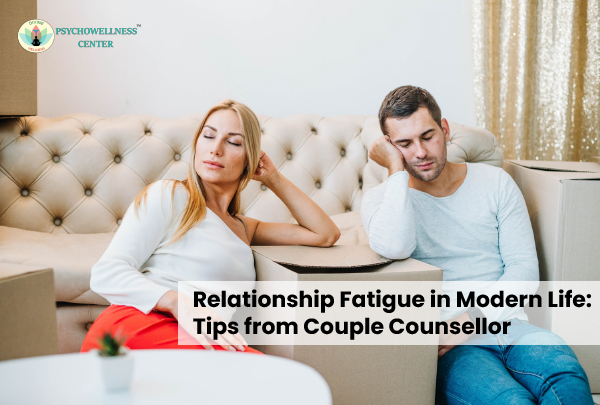
Modern relationships are surviving in a world full of unread messages, packed schedules, social media comparisons, and endless notifications. While love stories may begin with excitement and butterflies, maintaining emotional intimacy in today’s fast-paced lifestyle can become exhausting. This emotional exhaustion is often called relationship fatigue — a state where couples feel emotionally drained, disconnected, or stuck in repetitive conflicts.
A couple of counsellors believe that relationship fatigue is not always about falling out of love. Sometimes, it is simply the result of emotional overload, poor communication, and modern-day pressures. The good news? With awareness and intentional effort, couples can rebuild emotional connection and create healthier bonds.
What Exactly Is Relationship Fatigue?
Relationship fatigue happens when emotional investment starts feeling like hard work rather than emotional comfort. Small disagreements become bigger, affection decreases, and conversations start sounding like task management meetings.
It often develops slowly. At first, couples may ignore the signs:
- Feeling emotionally distant
- Avoiding meaningful conversations
- Constant irritation with each other
- Lack of quality time
- Feeling unheard or misunderstood
In modern urban life, especially among working professionals, stress has become one of the leading reasons couples struggle emotionally. Tight deadlines, financial responsibilities, and digital distractions leave very little room for emotional connection.
Why Modern Relationships Feel More Exhausting
- Digital Connection, Emotional Disconnection:- Ironically, while technology keeps us constantly connected online, many couples feel disconnected offline. Scrolling through social media during dinner or replying to emails in bed reduces meaningful interaction. A couple of counsellors often observe that many partners are physically present but emotionally absent. Emotional intimacy requires attention, eye contact, listening, and vulnerability — things that smartphones quietly steal.
- Unrealistic Relationship Expectations:- Movies and social media often portray relationships as effortless and perfect. Real relationships, however, involve disagreements, compromises, and emotional growth. Constant comparison creates disappointment and dissatisfaction. This emotional pressure can contribute to anxiety, especially when individuals start questioning whether their relationship is “good enough.”
- Work-Life Imbalance:- Long work hours and professional competition leave couples emotionally exhausted. Many partners carry office frustration into their personal lives, resulting in irritability and emotional withdrawal. Experts say that ongoing workplace stress often spills into romantic relationships. A difficult boss, unstable work culture, or career uncertainty can indirectly create emotional tension at home.
Common Signs You Might Be Experiencing Relationship Fatigue
Relationship fatigue doesn’t always look dramatic. Sometimes it appears quietly through emotional habits.
Here are a few common signs:
- Conversations feel forced
- Physical intimacy decreases
- You feel emotionally tired around your partner
- Minor issues lead to major fights
- Spending time together feels like an obligation
- Emotional support feels absent
Some couples also experience emotional numbness instead of arguments. Silence becomes more common than communication. In many cases, emotional exhaustion also increases feelings of loneliness, even while being in a committed relationship.
Tips from Couple Counsellors to Rebuild Connection
- Stop Trying to “Win” Arguments
Healthy relationships are not debates. Many couples unintentionally focus more on proving themselves right rather than understanding each other. Counsellors recommend replacing blame with curiosity. Instead of saying:
“You never understand me.”
Try:
“Can we talk about why this situation upset me?”
This small shift changes the emotional tone of the conversation.
2. Prioritise Emotional Check-ins
Couples often discuss bills, groceries, or schedules, but forget to discuss emotions. Emotional check-ins help partners reconnect.
Simple questions can help:
- “How have you been feeling lately?”
- “Is something emotionally bothering you?”
- “What can I do to support you this week?”
Consistent emotional conversations reduce misunderstandings and strengthen emotional safety.
3. Learn the Power of Boundaries
Many people assume boundaries create distance in relationships, but healthy boundaries actually improve emotional respect.
A healthy boundary may include:
- Respecting personal space
- Avoiding shouting during conflicts
- Taking breaks during heated arguments
- Maintaining individual hobbies and friendships
Boundaries protect emotional well-being and prevent resentment from building up.
4. Make Time Feel Intentional
Quality time is not just sitting in the same room while scrolling on phones. Counsellors encourage couples to create intentional moments together:
- Device-free dinners
- Evening walks
- Weekly date nights
- Shared hobbies
- Short weekend breaks
Even 20 minutes of genuine emotional attention daily can improve relationship satisfaction.
5. Address Emotional Exhaustion Early
Ignoring emotional issues usually makes them stronger. Some couples avoid talking about issues because they are afraid of getting into a fight. However, silence often creates emotional distance. When unresolved issues continue for too long, they may lead to emotional resentment, reduced intimacy, or even burnout within the relationship. Seeking professional guidance early can help couples understand unhealthy patterns before they become deeply damaging.
6. Improve Communication Patterns
Poor communication is one of the biggest contributors to relationship fatigue. Many people communicate through criticism, sarcasm, or assumptions.
Counsellors often encourage couples to:
- Listen without interrupting
- Avoid defensive reactions
- Speak calmly during disagreements
- Express emotions clearly instead of indirectly
In some relationships, emotional misunderstandings may feel almost like a communication disorder, where both partners speak but neither feels understood. Improving communication does not mean avoiding disagreements — it means handling them respectfully.
The Role of Therapy in Relationship Healing
Couple counselling is not only for relationships in crisis. Therapy can help couples:
- Understand emotional triggers
- Rebuild trust
- Improve emotional intimacy
- Learn conflict-resolution skills
- Strengthen emotional connection
Professional support provides a neutral and safe environment where both individuals feel heard without judgment. Many modern couples are now seeking therapy proactively instead of waiting for relationships to collapse completely.
Conclusion
Relationship fatigue is becoming increasingly common in modern life, but it does not mean a relationship is doomed. Emotional exhaustion can be healed through communication, empathy, self-awareness, and intentional effort. Small emotional changes often create powerful relationship improvements over time.
If you are searching for Relationship Counseling near me, marriage counselling near me, or the best couples counselling in Delhi NCR, professional guidance can make a meaningful difference. Psychowellness Center offers experienced psychologists and relationship experts who help couples rebuild trust, communication, and emotional connection through evidence-based counselling approaches.
To know more about relationship counselling and emotional wellness, you can watch the video on couple conflicts, relationship counseling, by Psychowellness Center on YouTube for expert insights and practical guidance on improving relationships and managing emotional stress. Those interested can visit the centre’s locations in Dwarka and Janakpuri, New Delhi, or contact 011-47039812 / 7827208707 for more information and professional assistance.
Contributions: Dr. R.K. Suri, Clinical Psychologist, and Ms. Mansi, Counselling Psychologist
References
- Gottman, J. M., & Silver, N. (2015). The seven principles for making marriage work. Harmony Books.
- Johnson, S. M. (2019). Attachment theory in practice: Emotionally focused therapy (EFT) with individuals, couples, and families. Guilford Press.
- Pines, A. M. (1996). Couple burnout: Causes and cures. Routledge.