
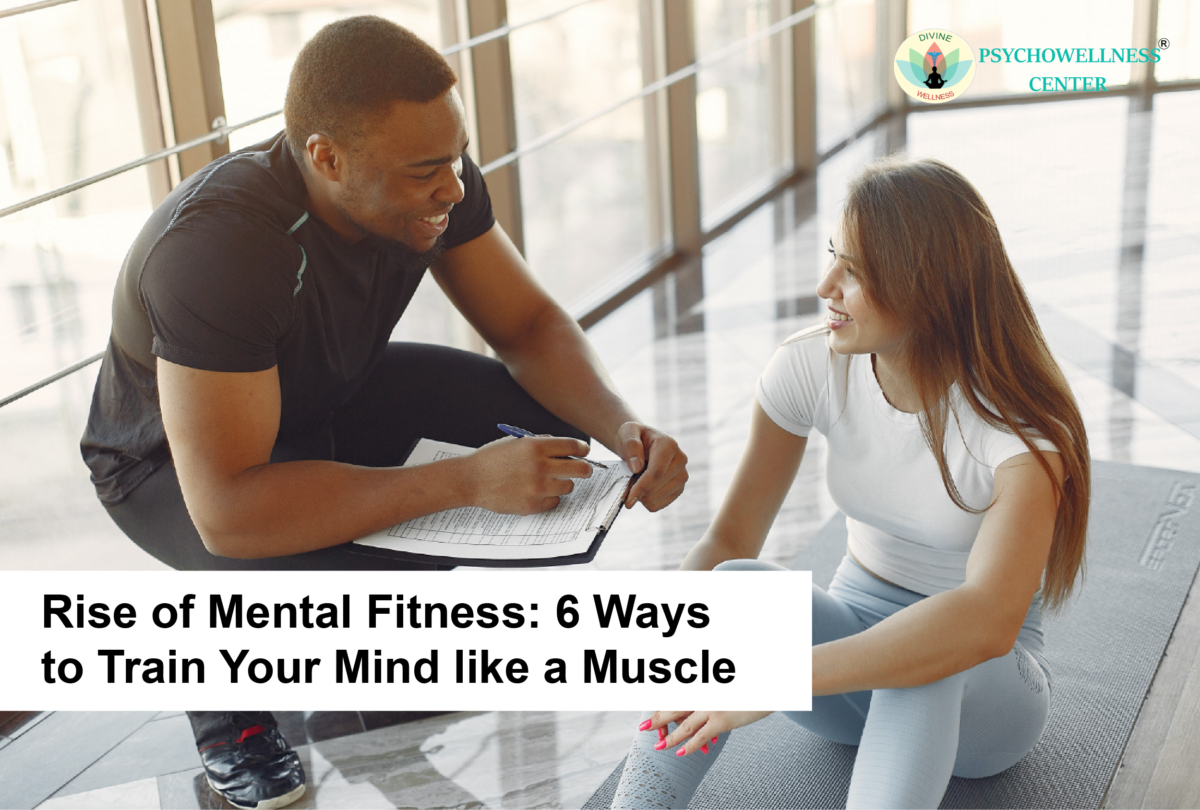
Mental fitness has become an increasingly important part of overall well-being in today’s fast-moving world. Just as physical exercise strengthens the body, mental fitness strengthens emotional resilience, focus, adaptability, and coping abilities. Training the mind regularly can help individuals navigate challenges more effectively while improving emotional balance and psychological well-being.
Modern lifestyles often involve constant responsibilities, social pressures, emotional demands, and digital overload. Over time, these experiences can affect emotional energy, concentration, and overall mental wellness. Developing healthy mental habits can help individuals maintain emotional stability and improve their ability to cope with difficult situations in healthier ways.
- Understanding Mental Fitness
Mental fitness refers to the ability to manage emotions, cope with challenges, and maintain emotional resilience during stressful situations. Similar to physical health, mental well-being requires consistent attention, self-awareness, and daily practice.
Many individuals today experience increasing levels of stress due to work pressure, personal responsibilities, and emotional expectations. Persistent emotional strain may eventually contribute to emotional exhaustion, reduced concentration, and difficulty maintaining emotional balance. In some situations, ongoing emotional pressure may also contribute to symptoms linked to anxiety or emotional overwhelm. Training the mind does not mean avoiding emotional difficulties entirely. Instead, it helps individuals respond to emotional challenges with greater awareness, resilience, and emotional clarity.
2. Practice Mindfulness Every Day
One of the most effective ways to strengthen mental fitness is through mindfulness. Being mindful entails focusing on the here and now without passing judgment. It encourages individuals to observe their thoughts, emotions, and surroundings calmly instead of reacting impulsively.
Research suggests that mindfulness practices may help reduce emotional distress associated with generalised anxiety disorder (GAD), emotional fatigue, and excessive worry. Over time, even basic techniques like mindful walking, deep breathing, and meditation can enhance psychological balance and emotional focus. Mindfulness also improves emotional control, helping individuals manage emotional reactions more effectively during stressful or emotionally challenging situations.
3. Build Healthy Emotional Habits
When people learn healthy emotional responses rather than repressing them, their mental fitness improves. Emotional tiredness is often disregarded until it starts to negatively impact relationships, productivity at work, or general well-being.
Unresolved emotions such as anger, disappointment, sadness, or frustration may gradually affect mental health if not addressed properly. Emotional suppression can also contribute to emotional exhaustion and reduced emotional resilience over time.
Developing emotional awareness and practising assertiveness allows individuals to express emotional needs respectfully while maintaining emotional balance. Healthy emotional communication reduces emotional tension and supports healthier interpersonal interactions.
4. Strengthen Positive Relationships
Supportive social connections are essential for emotional well-being. Positive emotional support systems help individuals cope more effectively with emotional stress and life transitions. People struggling with loneliness, unresolved relationship difficulties, or emotional isolation may experience reduced emotional resilience and emotional fatigue. Repeated misunderstandings, emotional distance, or unresolved couple conflicts can gradually affect psychological well-being and emotional stability. Strong emotional connections encourage emotional safety, trust, and communication. Emotional support can also help individuals cope with emotionally difficult experiences such as a painful breakup, rejection, or unresolved emotional distress. In some cases, individuals experiencing communication difficulties or emotional tension may benefit from professional support through psychological counselling in Delhi or guidance from an experienced psychologist in Delhi.
5. Set Realistic Goals and Build Motivation
Mental fitness also requires purpose, structure, and direction. Practicing goal-setting helps individuals maintain motivation while creating a sense of accomplishment and emotional progress. When goals feel unrealistic or overwhelming, individuals may experience emotional frustration, emotional fatigue, or low motivation. Breaking large tasks into smaller, manageable steps can help individuals remain consistent and emotionally encouraged.
Achieving even small goals gradually improves self-confidence and emotional resilience. Goal-oriented thinking may also support individuals experiencing symptoms associated with depression by helping them regain a sense of purpose and emotional direction.
6. Process Difficult Emotions in Healthy Ways
Emotional resilience does not mean avoiding emotional pain. Instead, it involves learning healthier ways to process and manage difficult emotions. Experiences such as grief and loss, emotional rejection, trauma, or emotional neglect may continue affecting emotional well-being if emotions remain unresolved. Some individuals carrying unresolved emotional wounds may experience emotional numbness, emotional reactivity, or emotional exhaustion over time.
People exposed to emotional abuse, emotionally unsafe environments, or persistent emotional criticism may struggle with emotional confidence and trust. In more difficult situations, unresolved trauma may contribute to symptoms associated with post-traumatic stress disorder (PTSD). Therapeutic activities such as journaling, counselling, emotional reflection, and relaxation techniques can help individuals process emotional experiences more constructively.
7. Prioritize Rest and Recovery
Mental fitness is not only about productivity and achievement. Emotional recovery, relaxation, and self-care are equally important for maintaining emotional stability and psychological well-being. Continuous emotional strain without adequate rest may eventually lead to emotional exhaustion and burnout. Individuals experiencing ongoing emotional pressure may notice difficulty concentrating, irritability, fatigue, or emotional sensitivity.
Adequate sleep, physical activity, healthy routines, and regular relaxation are essential for emotional recovery and cognitive functioning. Recovery becomes especially important for individuals experiencing emotional overwhelm or symptoms linked to panic disorder.
8. Mental Fitness and Emotional Confidence
Additionally, increasing mental fitness boosts psychological resilience and emotional self-assurance. Stronger self-esteem, increased emotional awareness, and enhanced emotional adaptability are frequently experienced by people who use healthy coping mechanisms.
Mental fitness also supports healthier communication and emotional decision-making during emotionally difficult situations. It may help individuals manage recurring interpersonal problem patterns while improving emotional understanding and relationship stability.
Past emotional experiences such as bullying, criticism, or emotionally difficult social environments may affect confidence and emotional security. Strengthening emotional resilience helps individuals rebuild emotional confidence while improving emotional independence.
When Professional Support Can Help
Although self-help strategies are valuable, some emotional difficulties require professional guidance and support. Persistent emotional distress, emotional exhaustion, or difficulty coping with life stressors should not be ignored. Professional counselling can help individuals identify emotional patterns, improve coping strategies, and strengthen emotional resilience. Individuals seeking support from the Best Psychologists in Delhi can access professional mental health services focused on emotional well-being, communication improvement, and stress management. Many individuals also seek counselling in Delhi when emotional challenges begin affecting work, relationships, or daily functioning.
Professional counselling services are available for individuals seeking emotional support, stress management, and psychological guidance in Janakpuri, Delhi, and Dwarka Sector 17, Delhi. For appointments or consultations, individuals may contact 011-47039812 or 7827208707. Seeking support early can help individuals strengthen emotional resilience while improving overall mental well-being.
Building Mental Strength Over Time
Mental fitness is not achieved instantly. Like physical fitness, emotional resilience develops gradually through daily effort, emotional awareness, and healthy coping habits. Small but consistent changes in daily routines, emotional awareness, and communication patterns can significantly improve mental well-being over time.
Training the mind helps individuals become more emotionally adaptable, emotionally aware, and psychologically resilient. Emotional fitness strengthens the ability to cope with challenges while supporting healthier relationships, emotional stability, and personal growth.
Conclusion
Mental fitness plays a vital role in maintaining emotional balance, resilience, and overall psychological well-being. By practising mindfulness, developing healthier emotional habits, improving communication, processing difficult emotions constructively, and maintaining healthy routines, individuals can strengthen their emotional resilience and improve their quality of life.
Professional support can further strengthen this journey. Platforms like TalktoAngel provide accessible online counselling services, while Psychowellness Center offers professional in-person mental health support in Delhi. Together, they help individuals improve coping abilities, emotional awareness, and long-term psychological well-being.
Individuals interested in learning more about self-improvement, emotional well-being, and mindfulness can also explore educational mental health content and informative videos through the Psychowellness Center YouTube Channel.
Contributions: Dr. R.K. Suri, Clinical Psychologist, and Mr. Harshit, Counselling Psychologist
References
- American Psychological Association. Publication manual of the American Psychological Association (7th ed.). American Psychological Association.
- Beck, J. S. Cognitive behavior therapy: Basics and beyond (2nd ed.). Guilford Press.
- Deci, E. L., & Ryan, R. M. The “what” and “why” of goal pursuits: Human needs and the self-determination of behavior. Psychological Inquiry, 11(4), 227–268.
- Linehan, M. M. DBT skills training manual (2nd ed.). Guilford Press.
- Neff, K. D. Self-compassion: The proven power of being kind to yourself. William Morrow.
- Seligman, M. E. P. Flourish: A visionary new understanding of happiness and well-being. Free Press.