
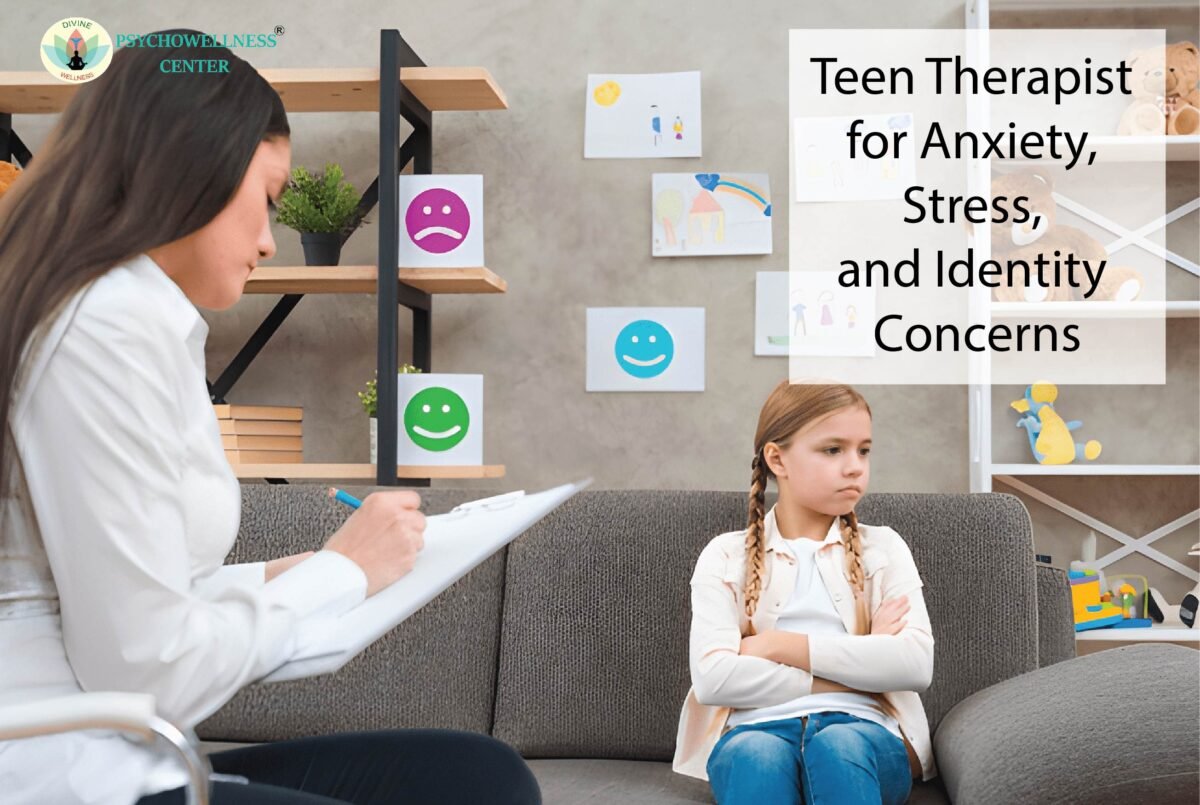
Adolescence is a period of intense emotional, cognitive, and social transformation. Teens are not only navigating academic pressures and peer relationships, but also grappling with questions of identity, self-worth, and belonging. In today’s hyper-connected world- marked by social media comparison, academic competition, and uncertainty about the future, mental health challenges among adolescents have become increasingly visible. As a psychologist, I often meet teenagers who feel overwhelmed, misunderstood, or emotionally isolated, yet struggle to articulate what they are experiencing. This is where the role of a teen therapist becomes crucial.
A teen therapist offers structured, developmentally sensitive support to help adolescents manage emotional distress, build coping skills, and develop a healthy sense of self. Whether concerns involve anxiety, academic burnout, peer conflicts, or emerging identity issues, therapy provides a safe, confidential space where young people can explore their inner world without judgment.
Understanding Teen Anxiety and Stress
Anxiety is one of the most common mental health concerns among adolescents. It may appear as excessive worry about exams, fear of social judgment, panic symptoms, or constant self-doubt. Chronic stress, whether academic, familial, or social, can compound these feelings, leading to irritability, sleep disturbances, low motivation, and even physical symptoms such as headaches or stomachaches.
From a clinical standpoint, untreated anxiety during adolescence can interfere with emotional development and academic functioning, increasing vulnerability to depression, social withdrawal, or risky behaviours later in life. Early therapeutic intervention helps teens understand their emotional responses and equips them with tools to manage distress effectively.
Evidence-based approaches such as Cognitive-behavioral therapy (CBT) are especially effective for adolescent anxiety. CBT helps teens identify unhelpful thought patterns, challenge cognitive distortions, and practice healthier emotional and behavioural responses. Over time, this process strengthens emotional resilience and improves confidence in managing real-life stressors.
Identity Concerns in Adolescence
Beyond academic or social stress, many adolescents experience confusion about who they are and where they belong. Identity formation, related to self-image, values, sexuality, career aspirations, and social roles, is a central developmental task of adolescence. While exploration is healthy, unresolved identity struggles may lead to emotional distress, social isolation, or risk-taking behaviours.
Teen therapists are trained to support adolescents through this process by offering reflective listening, emotional validation, and guided self-exploration. Rather than providing answers, therapists help teens clarify their own values, strengths, and aspirations. This approach fosters autonomy, self-trust, and emotional stability, key components of long-term psychological well-being.
When Should Parents Seek a Teen Therapist?
Parents often wonder whether their teenager’s behaviour reflects “normal adolescence” or something more serious. While mood swings and withdrawal can be part of developmental change, certain signs suggest professional support may be beneficial:
- Persistent sadness, irritability, or anxiety
- Sudden academic decline or school refusal
- Changes in sleep or appetite
- Social withdrawal or loss of interest in activities
- Self-harm thoughts or behaviours
- Emotional outbursts or anger issues
If these patterns persist for more than a few weeks or interfere with daily functioning, consulting a psychologist near me can provide clarity and timely intervention.
Therapeutic Approaches for Teens
Teen therapy integrates developmental psychology with evidence-based clinical methods. Some commonly used approaches include:
- CBT (Cognitive-Behavioural Therapy)
Effective for anxiety, depression, and academic stress. It teaches emotional regulation and cognitive restructuring.
- Dialectical behavioural therapy (DBT)
Especially useful for emotional dysregulation, self-harm behaviours, and interpersonal difficulties. DBT focuses on mindfulness, distress tolerance, emotional regulation, and relationship skills.
- Motivational interviewing
Helps teens explore ambivalence toward change and develop intrinsic motivation, particularly helpful in behavioural challenges or substance misuse contexts. - Acceptance and Commitment Therapy (ACT)
Encourages acceptance of internal experiences while committing to value-driven actions, useful for anxiety and identity struggles.
- Family Therapy
In many cases, involving caregivers improves communication patterns and emotional safety within the home, especially when stressors are systemic.
These therapeutic models are adapted to suit adolescents’ cognitive and emotional maturity, often incorporating creative methods such as art, storytelling, journaling, or role-play to enhance engagement.
The Role of Parents and Families
Family dynamics play a critical role in adolescent mental health. Even when teens seek independence, emotional safety within the family remains essential. Teen therapists often work collaboratively with parents, offering psychoeducation, guidance on communication strategies, and support in setting healthy boundaries.
Rather than viewing therapy as a sign of failure or weakness, families can frame it as a strength-based step toward emotional growth. When parents normalise help-seeking behaviour, adolescents feel safer discussing their struggles and accessing mental health resources.
Therapy Access in India and Urban Mental Health Care
In metropolitan areas such as Delhi NCR, mental health awareness has grown significantly. This reflects a positive shift toward early intervention and professional support.
Urban mental health centres now offer integrated services for children, teens, adults, and families. Many clinics provide in-person therapy, school-based interventions, and telehealth platforms, making support more accessible even for adolescents facing mobility or scheduling challenges.
The rise of Online therapy has been especially transformative. Adolescents who feel hesitant to seek face-to-face sessions often find digital platforms less intimidating, allowing them to access care discreetly while maintaining continuity in treatment.
Addressing Comorbid Concerns
Teen anxiety and stress rarely occur in isolation. Many adolescents experience overlapping challenges such as attention difficulties, trauma exposure, bullying, or learning issues. Some may present with ADHD, social anxiety, mood disturbances, or emotional dysregulation.
A comprehensive psychological assessment allows therapists to understand the adolescent’s emotional, cognitive, social, and developmental profile. Treatment plans are then tailored to the individual, integrating emotional regulation strategies, executive functioning skills, trauma-informed approaches, or social skills training as needed.
For teens experiencing bullying, whether in school or online therapy and in-person counseling offers validation, coping strategies, and resilience-building tools. This reduces internalised shame and helps restore a sense of safety and self-worth.
Benefits of Teen Therapy: A Developmental Lens
From a psychological perspective, adolescence is a sensitive period for emotional learning and identity formation. Therapeutic intervention during this stage can have long-term protective effects by:
- Enhancing emotional regulation skills
- Improving self-esteem and self-concept
- Reducing maladaptive coping behaviours
- Strengthening problem-solving abilities
- Building healthier interpersonal relationships
Rather than focusing solely on symptom reduction, teen therapy supports holistic development, helping young people become emotionally aware, psychologically flexible, and socially competent adults.
Choosing the Right Teen Therapist
Selecting a therapist for an adolescent involves more than credentials. Therapeutic alliance, the emotional connection between therapist and client, is one of the strongest predictors of positive outcomes. Teens benefit most from therapists who are empathetic, nonjudgmental, and skilled in developmentally appropriate interventions.
Parents may look for professionals trained in child and adolescent psychology, clinical psychology, or counselling psychology. It is equally important to ensure that therapy aligns with the teen’s comfort level and personal preferences. When adolescents feel heard and respected, therapy becomes a collaborative journey rather than a corrective process.
Reducing Stigma Around Teen Mental Health
Despite growing awareness, stigma remains a significant barrier to help-seeking among adolescents. Many teens fear being labelled “weak,” “abnormal,” or “dramatic.” As mental health professionals, educators, and caregivers, it is essential to normalise emotional struggles as part of the human experience.
Mental health literacy programs in schools, community workshops, and family education initiatives play a vital role in dismantling myths around therapy. When teens learn that psychological support is about growth, not pathology, they are more likely to seek help early and engage actively in treatment.
The Psychological Impact of Early Intervention
Research consistently shows that early therapeutic intervention improves long-term mental health outcomes. Adolescents who receive timely support for anxiety, stress, or identity struggles demonstrate better academic functioning, healthier peer relationships, and improved emotional resilience in adulthood.
In my clinical experience, teens who initially present with self-doubt or emotional confusion often leave therapy with enhanced self-awareness, confidence, and coping skills. They begin to view challenges not as personal failures but as opportunities for growth, a cognitive shift that protects mental health across the lifespan.
Conclusion
The teenage years are not merely a bridge between childhood and adulthood; they represent a psychologically formative phase that shapes emotional resilience, identity development, and lifelong coping patterns. Anxiety, stress, and identity concerns, when left unaddressed, can interfere with academic functioning, relationships, and self-confidence. With the guidance of a trained teen therapist, adolescents can learn to navigate emotional challenges with clarity, confidence, and compassion.
Teen therapy is not about “fixing” adolescents; it is about empowering them to understand themselves, trust their inner strengths, and move forward with emotional stability and purpose.
The Psychowellness Center (Contact: 011-47039812 / 7827208707), located in Dwarka Sector-17 and Janakpuri, New Delhi, offers specialised teen therapy through personalised counselling approaches that address emotional regulation, stress management, and identity development. Additionally, for families searching for the best psychologist near me and best child psychologists in Dwarka or seeking flexible access to care, online platforms like TalktoAngel connect adolescents with experienced therapists who support anxiety management and long-term emotional resilience. Together, these evolving care options make compassionate, effective, and individualised teen mental health support more accessible than ever.
Contribution: Dr. R.K. Suri, Clinical Psychologist, and Ms. Arushi Srivastava, Counselling Psychologist
References
- American Psychological Association. (2017). Clinical practice guideline for the treatment of depression across three age cohorts. APA Publishing.
- Erikson, E. H. (1968). Identity: Youth and crisis. Norton.
- Norcross, J. C., & Lambert, M. J. (2018). Psychotherapy relationships that work III. Psychotherapy, 55(4), 303–315.
- Weisz, J. R., Kuppens, S., Ng, M. Y., Eckshtain, D., Ugueto, A. M., Vaughn-Coaxum, R., … & Weersing, V. R. (2017). What five decades of research tells us about the effects of youth psychological therapy. American Psychologist, 72(2), 79–117.
- https://www.psychowellnesscenter.com/Blog/teen-anxiety-and-the-pressure-to-be-perfect-online/
- https://www.psychowellnesscenter.com/Blog/helping-teens-overcome-self-doubt-and-build-confidence/
- https://www.psychowellnesscenter.com/Blog/instagram-vs-reality-how-filters-distort-teen-self-perception/