
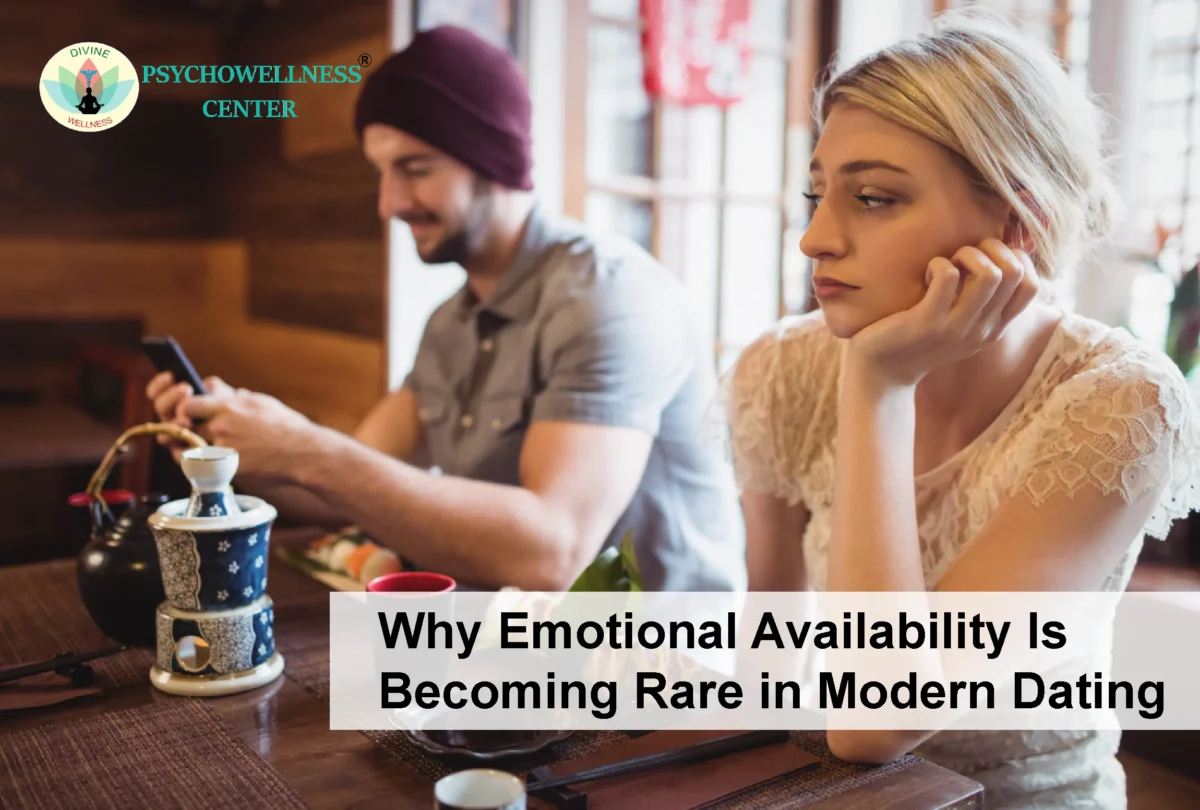
Modern dating offers countless opportunities to meet new people. Dating apps, social media, and online communities have made connecting easier than ever before. Yet despite this increased accessibility, many individuals report feeling emotionally disconnected in their romantic relationships. While people may be talking more, they are not necessarily connecting more deeply. One of the most common challenges in today’s dating landscape is the growing lack of emotional availability.
Emotional availability refers to the ability to be open, present, and responsive in a relationship. It involves sharing feelings honestly, being receptive to a partner’s emotions, and developing meaningful emotional bonds. Unfortunately, many people find these qualities increasingly difficult to maintain, creating barriers to healthy and fulfilling relationships.
Understanding Emotional Availability
Being emotionally available means having the willingness and capacity to engage in emotional closeness. Emotionally available individuals are generally comfortable expressing vulnerability, communicating their needs, and responding empathetically to others.
In contrast, emotionally unavailable individuals may avoid difficult conversations, struggle to express emotions, or withdraw when relationships become more serious. While this behavior is often misunderstood as a lack of interest, it frequently reflects deeper emotional patterns shaped by personal experiences, stress, or fear of vulnerability.
The Influence of Modern Dating Culture
The rise of digital dating has changed how relationships begin and develop. Dating platforms provide an endless stream of potential matches, creating a culture where people may feel there is always another option available. While having choices can be beneficial, excessive choice can sometimes discourage emotional investment.
Many individuals hesitate to commit emotionally because they fear making the wrong decision or missing out on better opportunities. As a result, relationships may remain superficial for longer periods, leaving many people struggling with persistent dating concerns despite actively seeking romantic connections.
The pressure to present a perfect image online can also make authenticity more difficult. Instead of sharing genuine emotions, people may focus on appearing desirable, successful, or emotionally unaffected.
Fear of Vulnerability
One of the most significant barriers to emotional availability is the fear of vulnerability. Meaningful relationships require people to share their insecurities, fears, and emotional needs. However, past experiences such as rejection, betrayal, heartbreak, or disappointment can make vulnerability feel risky.
To protect themselves from future emotional pain, many individuals develop emotional defenses. They may avoid deep conversations, suppress emotions, or keep relationships at a safe distance. While these strategies can temporarily reduce discomfort, they often prevent genuine emotional connection from developing.
Over time, emotional avoidance can create misunderstandings and distance between partners, making it difficult to build trust and closeness.
Mental Health and Emotional Availability
Mental health challenges can also influence how people engage in relationships. High levels of stress and anxiety can make emotional openness feel overwhelming. When individuals are focused on managing their own worries and emotional burdens, they may have limited capacity to connect deeply with others.
Similarly, ongoing emotional strain can contribute to low motivation in relationships. Individuals may desire connection but feel emotionally exhausted, leading them to withdraw or avoid investing energy into developing intimacy.
Emotional availability is not simply about willingness; it is also affected by a person’s emotional resources and overall psychological well-being.
Technology and Emotional Disconnection
Technology has transformed communication, but it has also changed the nature of relationships. While messaging apps and social media allow constant interaction, they do not always promote meaningful emotional engagement.
Online communication often lacks important nonverbal cues such as facial expressions, tone of voice, and body language. These cues play a vital role in fostering understanding and emotional connection. As a result, people may communicate frequently without developing genuine closeness.
Social media can also create unrealistic expectations about relationships. Constant exposure to idealized portrayals of romance may leave individuals feeling dissatisfied with normal relationship challenges, making emotional commitment more difficult.
The Rise of Relationship Difficulties
As emotional availability decreases, many couples experience growing interpersonal problems. Miscommunication, emotional withdrawal, unresolved conflicts, and unmet expectations can create ongoing tension within relationships.
Without emotional openness, partners may struggle to understand each other’s needs and feelings. Small misunderstandings can escalate into larger conflicts, while important issues remain unaddressed. Developing healthy communication skills and emotional awareness is essential for overcoming these challenges.
One important aspect of healthy relationships is emotion control, which involves understanding and managing feelings rather than suppressing or reacting impulsively to them. Effective emotional regulation allows individuals to communicate more constructively and respond to relationship challenges with greater resilience.
The Importance of Emotional Intimacy
At the heart of emotional availability lies intimacy. Emotional intimacy goes beyond physical attraction and involves feeling safe, understood, and accepted by another person. It develops through honesty, trust, vulnerability, and consistent emotional engagement.
However, building intimacy requires time and effort. In a culture that often prioritizes instant gratification and quick results, many individuals struggle with the patience required to cultivate deep emotional bonds.
When emotional intimacy is absent, relationships may feel disconnected even when partners spend significant time together. Genuine closeness depends on emotional presence rather than proximity alone.
Seeking Support for Healthier Relationships
Emotional availability can be strengthened through self-awareness, reflection, and professional guidance. Therapy can help individuals identify relationship patterns, process past experiences, and develop healthier ways of connecting with others.
Many people seek support from a psychologist in delhi ncr or explore psychological counselling in delhi to better understand relationship challenges and emotional barriers. Others may search online for a counsellor near me or a psychologist in Delhi when looking for guidance in improving communication, emotional awareness, and relationship satisfaction.
Professional support can provide practical tools for building emotional resilience, enhancing relationship skills, and fostering healthier connections.
Conclusion
Emotional availability is becoming increasingly rare in modern dating due to a combination of technological influences, fear of vulnerability, mental health challenges, and changing social dynamics. While modern dating offers more opportunities to connect, meaningful relationships still require emotional openness, trust, and authenticity.
To better understand and address the emotional barriers, fear of vulnerability, communication difficulties, and relationship challenges that contribute to emotional unavailability in modern dating, individuals can seek professional support at Psychowellness Center. Services are offered online via TalktoAngel and in person at Dwarka and Janakpuri, New Delhi (Contact: 011-47039812/7827208707). With the guidance of trained mental health professionals, individuals can improve emotional awareness, develop healthier relationship patterns, strengthen communication skills, build trust and emotional intimacy, manage anxiety and attachment-related concerns, enhance emotional regulation, and foster meaningful connections through evidence-based approaches such as cognitive behavioural therapy, dialectical behaviour therapy, mindfulness-based interventions, acceptance and commitment therapy, interpersonal therapy, and supportive counselling.
In modern dating, many individuals struggle to express vulnerability and connect deeply because they find it difficult to maintain healthy management of emotional responses during stressful or uncertain situations. This can create barriers to trust, open communication, and lasting emotional connection in relationships.
Contributions: Dr. R.K. Suri, Clinical Psychologist, and Ms. Mahima Mathur, Counselling Psychologist
References
Collins, N. L., & Feeney, B. C. (2004). Working models of attachment shape perceptions of social support: Evidence from experimental and observational studies. Journal of Personality and Social Psychology, 87(3), 363–383. https://doi.org/10.1037/0022-3514.87.3.363
Mikulincer, M., & Shaver, P. R. (2016). Attachment in adulthood: Structure, dynamics, and change (2nd ed.). Guilford Press.
Simpson, J. A., & Rholes, W. S. (2017). Adult attachment, stress, and romantic relationships. Current Opinion in Psychology, 13, 19–24. https://doi.org/10.1016/j.copsyc.2016.04.006
Schachner, D. A., Shaver, P. R., & Mikulincer, M. (2005). Patterns of attachment-related affect regulation and their relation to emotional and cognitive reactions to stressful events. Journal of Personality and Social Psychology, 89(4), 607–625. https://doi.org/10.1037/0022-3514.89.4.607
https://www.psychowellnesscenter.com/Blog/how-to-become-emotionally-available-partner/
https://www.psychowellnesscenter.com/Blog/emotional-unavailability-in-dating-apps-what-to-do/
https://www.psychowellnesscenter.com/Blog/modern-friendship-and-the-increase-in-loneliness/
https://www.psychowellnesscenter.com/Blog/dating-culture-in-delhi-and-emotional-burnout/