
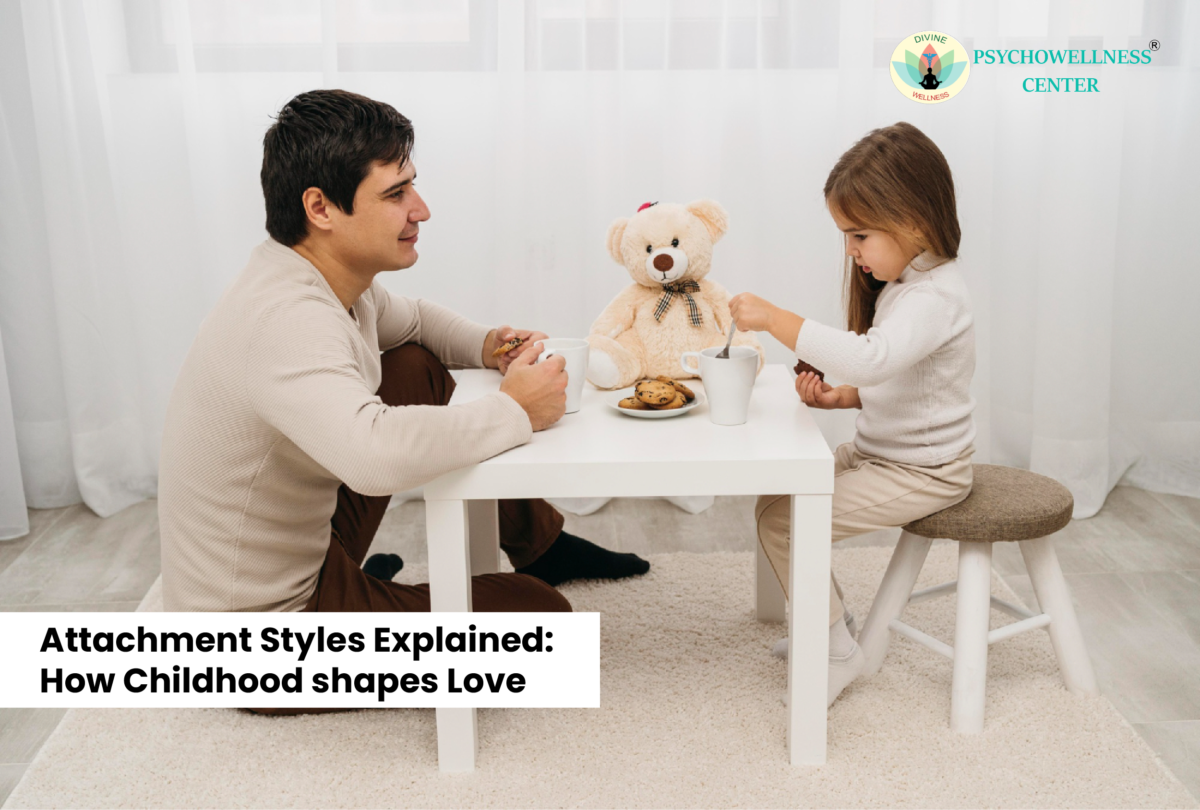
Have you ever found yourself wondering why relationships feel easy and secure for some people while others constantly worry about being abandoned, rejected, or misunderstood? The answer may lie in something psychologists call attachment styles. These patterns of relating to others are often formed during childhood and continue to influence our romantic relationships, friendships, and emotional well-being throughout life.
Attachment theory, developed by psychologist John Bowlby and later expanded by Mary Ainsworth, suggests that the bond we form with our primary caregivers shapes our expectations of love, trust, safety, and connection. While childhood experiences play a significant role, understanding your attachment style can help you build healthier and more fulfilling relationships as an adult.
What Is Attachment Theory?
Attachment theory proposes that children are biologically wired to seek closeness and security from their caregivers. When caregivers consistently respond to a child’s emotional and physical needs, the child learns that relationships are safe and dependable. However, when care is inconsistent, neglectful, or unpredictable, children may develop different ways of coping with emotional needs. Over time, these early experiences create an “internal working model” of relationships, a set of beliefs about oneself and others that often continues into adulthood.
The Four Main Attachment Styles
- Secure Attachment
In general, those who have a stable attachment style are at ease with both intimacy and independence. They are able to ask for help when they need it, speak honestly, and have faith in their relationships.
Childhood experiences often include:
- Consistent emotional support from caregivers
- Validation of feelings
- A safe and nurturing environment
In adult relationships:
- Healthy communication
- Emotional stability
- Ability to resolve conflicts constructively
- Comfortable giving and receiving love
Individuals who have a secure attachment style typically think that others may be trusted and that they are deserving of love.
2. Anxious Attachment
People with an anxious attachment style often crave closeness but fear rejection or abandonment. They may become overly dependent on their partners for reassurance and validation.
Childhood experiences often include:
- Inconsistent caregiving
- Unpredictable emotional responses from parents
- Occasional warmth mixed with emotional unavailability
In adult relationships:
- Fear of being left behind
- Overthinking partner’s actions
- Seeking constant reassurance
- Sensitivity to perceived rejection
Anxiously attached individuals may struggle with self-doubt and often worry about whether they are truly loved.
3. Avoidant Attachment
Individuals with avoidant attachment tend to value independence to the point where emotional closeness may feel uncomfortable. They often suppress vulnerable feelings and avoid depending on others.
Childhood experiences often include:
- Emotionally distant caregivers
- Discouragement of emotional expression
- Early expectations of self-sufficiency
In adult relationships:
- Difficulty expressing emotions
- Discomfort with intimacy
- Fear of dependency
- Tendency to withdraw during conflict
Although avoidantly attached individuals may appear highly independent, they often struggle with vulnerability and emotional connection.
4. Fearful-Avoidant (Disorganized) Attachment
This attachment style combines both anxiety and avoidance. Individuals desire close relationships but simultaneously fear getting hurt.
Childhood experiences often include:
- Trauma or abuse
- Highly unpredictable caregiving
- Situations in which caregivers were both reassuring and frightening
In adult relationships:
- Mixed signals in relationships
- Difficulty trusting others
- Fear of intimacy and abandonment
- Emotional highs and lows
People with fearful-avoidant attachment often experience internal conflict because they want connection but fear vulnerability.
How Childhood Experiences Shape Adult Love
Our childhood experiences teach us important lessons about relationships. Children frequently learn that their needs are important and that others can be trusted if caregivers are receptive and emotionally present. On the other hand, when emotional needs are ignored, criticized, or inconsistently met, children may develop beliefs such as:
- “I am not worthy of love.”
- “People will eventually leave me.”
- “I cannot rely on others.”
- “Being vulnerable is dangerous.”
These beliefs often operate unconsciously and can influence how individuals choose partners, respond to conflict, express emotions, and maintain intimacy.
When their partner takes longer than usual to respond to a message, for instance, a person with anxious attachment may feel quite upset. Meanwhile, someone with avoidant attachment may withdraw emotionally when a relationship becomes more serious. Neither response is simply a personality trait; often, these patterns reflect early experiences and learned ways of seeking safety.
Can Attachment Styles Change?
The good news is that attachment styles change with time. Although childhood experiences create a foundation, new experiences and self-awareness can lead to healthier relationship patterns. Research suggests that individuals can move toward a more secure attachment style through:
- Self-reflection and emotional awareness
- Healthy and supportive relationships
- Learning effective communication skills
- Practicing emotional control
- Professional psychological support
Therapy can help individuals identify unhealthy relationship patterns, understand their emotional triggers, and develop healthier ways of connecting with others.
Building Healthier Relationships
Understanding your attachment style is not about blaming parents or labeling yourself. Instead, it provides valuable insight into why certain relationship patterns occur. When you recognize your attachment needs, you become better equipped to communicate openly, set healthy boundaries, and create meaningful connections.
Whether you identify as secure, anxious, avoidant, or fearful-avoidant, growth is possible. Healthy relationships are built through awareness, trust, empathy, and consistent emotional support.
Seeking Professional Support
While understanding your attachment style can provide valuable insight into your relationship patterns, lasting change often requires self-awareness, consistent effort, and professional psychological counseling near me. Relationship therapy can help individuals explore the influence of early childhood experiences on their current relationships, identify emotional triggers, improve communication skills, and develop healthier ways of connecting with others. Through a supportive therapeutic process, individuals can work toward building greater emotional security, self-confidence, and fulfilling relationships.
At Psychowellness Center, experienced best psychologists in Delhi NCR, best counselors near me, and best relationship counselors in Dwarka offer evidence-based interventions for relationship concerns, attachment-related difficulties, anxiety, self-esteem, depression, challenges, and emotional well-being. Individuals seeking professional support can access psychological services at the center’s Janakpuri and Dwarka Sector-17 locations. To learn more or schedule an appointment, you may contact the Janakpuri center and Dwarka sector-17 at 011-47039812 or 7827208707.
Conclusion
Understanding your attachment style can be the first step toward creating stronger, healthier, and more satisfying relationships. By becoming aware of how childhood experiences shape adult love, individuals can break unhelpful patterns and build connections based on trust, security, and emotional well-being.
Contributions: Dr. R.K. Suri, Clinical Psychologist, and Ms. Tanu Sangwan, Counselling Psychologist
References
- Ainsworth, M. D. S., Blehar, M. C., Waters, E., & Wall, S. (1978). Patterns of attachment: A psychological study of the strange situation. Lawrence Erlbaum Associates.
- Bowlby, J. (1988). A secure base: Parent-child attachment and healthy human development. Basic Books.
- Cassidy, J., & Shaver, P. R. (Eds.). (2016). Handbook of attachment: Theory, research, and clinical applications (3rd ed.). Guilford Press.