
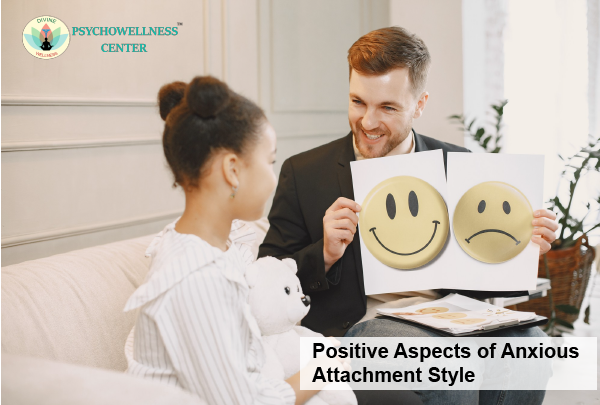
Attachment styles shape how we connect, love, and respond to emotional closeness. While anxious attachment is often discussed in terms of challenges, it is equally important to recognise its strengths. Rooted in early caregiving experiences, this attachment style develops when emotional responses from caregivers are inconsistent, leading individuals to become highly attuned to connection and reassurance needs.
Rather than viewing anxious attachment only through a deficit lens, understanding its positive aspects can foster growth, resilience, and healthier interpersonal dynamics.
Deep Emotional Awareness and Sensitivity
One of the most significant strengths of individuals with anxious attachment is their heightened emotional awareness. They are often deeply in tune with their own feelings and the emotions of others. This sensitivity allows them to pick up on subtle emotional cues that others may overlook.
Although this can sometimes amplify anxiety, it also enables strong empathy and compassion. These individuals tend to notice when someone is struggling, making them emotionally supportive friends, partners, and caregivers.
Strong Desire for Connection
People with anxious attachment place high value on emotional closeness. Their strong desire for bonding can foster meaningful and intimate connections in a relationship.
While this need for closeness may sometimes manifest as fear of abandonment, it also means that they invest deeply in their relationships. They are often loyal, committed, and willing to put in effort to maintain emotional bonds. Research also suggests that individuals with anxious attachment are highly responsive to relational dynamics, which can support emotional engagement and intimacy.
Empathy and Caregiving Strengths
Because they are highly attuned to others’ needs, individuals with anxious attachment often excel in caregiving roles. This makes them particularly nurturing in contexts such as friendships, partnerships, and parenting.
Their attentiveness allows them to anticipate emotional needs and provide reassurance and support. When balanced with boundaries, this quality can foster secure and warm environments for others.
Motivation for Self-Reflection and Growth
An often-overlooked strength is the tendency toward self-reflection. Individuals with anxious attachment frequently analyse their thoughts, behaviours, and emotional patterns in an attempt to understand themselves better.
This introspective nature can promote self-improvement. With guidance, such as therapy or reflective practices, this awareness becomes a foundation for personal growth and emotional maturity. Importantly, attachment styles are not fixed and can evolve through conscious effort and supportive relationships.
High Responsiveness in Relationships
People with anxious attachment are often highly responsive and attentive partners. They actively seek feedback, reassurance, and communication, which can enhance relational clarity when expressed healthily.
Their attentiveness can contribute to better conflict resolution when combined with skills like emotional control and effective communication. They are often willing to work on issues rather than avoid them, which is a key ingredient for long-term relational success.
Capacity for Deep Love and Commitment
Another positive aspect is their capacity for deep affection. Individuals with anxious attachment tend to love intensely and wholeheartedly.
While this intensity can sometimes lead to vulnerability, it also means they bring warmth, affection, and emotional investment into their connections. When channelled positively, this depth of feeling enhances intimacy and emotional bonding.
Awareness of Mental Health and Support-Seeking
Individuals with anxious attachment may be more likely to recognise emotional distress and seek help. Since they are familiar with emotional fluctuations, including stress, they may actively look for coping strategies and support systems.
This openness can encourage early intervention for concerns like depression and emotional overwhelm.
Opportunity to Build Healthy Self-Worth
Although anxious attachment is often associated with lower self-esteem, it also presents an opportunity to consciously build a stronger sense of self-worth.
Through practices like mindfulness, individuals can learn to regulate emotional reactions, reduce overthinking, and develop inner stability. Over time, this can lead to a more secure sense of identity and independence.
Growth Through Awareness and Support
The journey from anxious to secure attachment is highly achievable. Working with a Top Psychologist in India can help individuals understand their patterns and develop healthier relational habits.
Therapeutic approaches such as Cognitive Behavioural Therapy (CBT), mindfulness-based therapy, and attachment therapy can support emotional regulation and resilience.
Importantly, anxious attachment is not a limitation, it is a starting point. With awareness, individuals can retain their strengths (empathy, emotional depth, commitment) while reducing distressing patterns.
Conclusion
Anxious attachment is often misunderstood as purely problematic, but it carries valuable strengths. Emotional sensitivity, deep connection, empathy, and a strong desire for closeness are powerful traits when balanced with self-awareness and boundaries. By recognising these positive aspects, individuals can move away from self-criticism and toward growth. With the right support and intentional effort, anxious attachment can evolve into a secure and fulfilling way of relating, one that preserves emotional depth while fostering stability and well-being.
To learn more about understanding and nurturing the positive aspects of anxious attachment style, you can explore helpful resources from the Psychowellness Center. Their experienced best counselors near me team provides personalised guidance to address emotional sensitivity, low self-worth, and patterns that may affect interpersonal connections, both in-person at Dwarka and Janakpuri, New Delhi (Contact: 011-47039812 / 7827208707) and online through TalktoAngel, offering convenient virtual support. A qualified mental health professional can help individuals strengthen emotional regulation, manage distress, and work toward personal growth while also addressing deeper concerns and building healthier attachment patterns for more secure and fulfilling relationships.
To learn more about understanding the positive aspects of anxious attachment style and enhancing emotional well-being, you can explore resources that focus on recognising patterns that influence thoughts, emotions, and interpersonal connections, including aspects related to Anxiety and Emotion Control. The video also highlights Top 10 Self-Care Activities Recommended by Psychologists, along with the importance of recognising early signs of emotional distress and how they can impact overall well-being. With the right guidance, individuals can strengthen emotional awareness, improve relationship dynamics, and develop healthier coping strategies.
Contributions: Dr. R.K. Suri, Clinical Psychologist, and Ms. Mahima Mathur, Counselling Psychologist
REFERENCES
Bowlby, J. (1988). A secure base: Parent-child attachment and healthy human development. Basic Books.
Mikulincer, M., & Shaver, P. R. (2016). Attachment in adulthood: Structure, dynamics, and change (2nd ed.). Guilford Press.
WebMD. (2024). Anxious attachment: What it is and how it affects relationships. Retrieved from
https://www.psychowellnesscenter.com/Blog/breaking-the-insecure-attachment-pattern/