
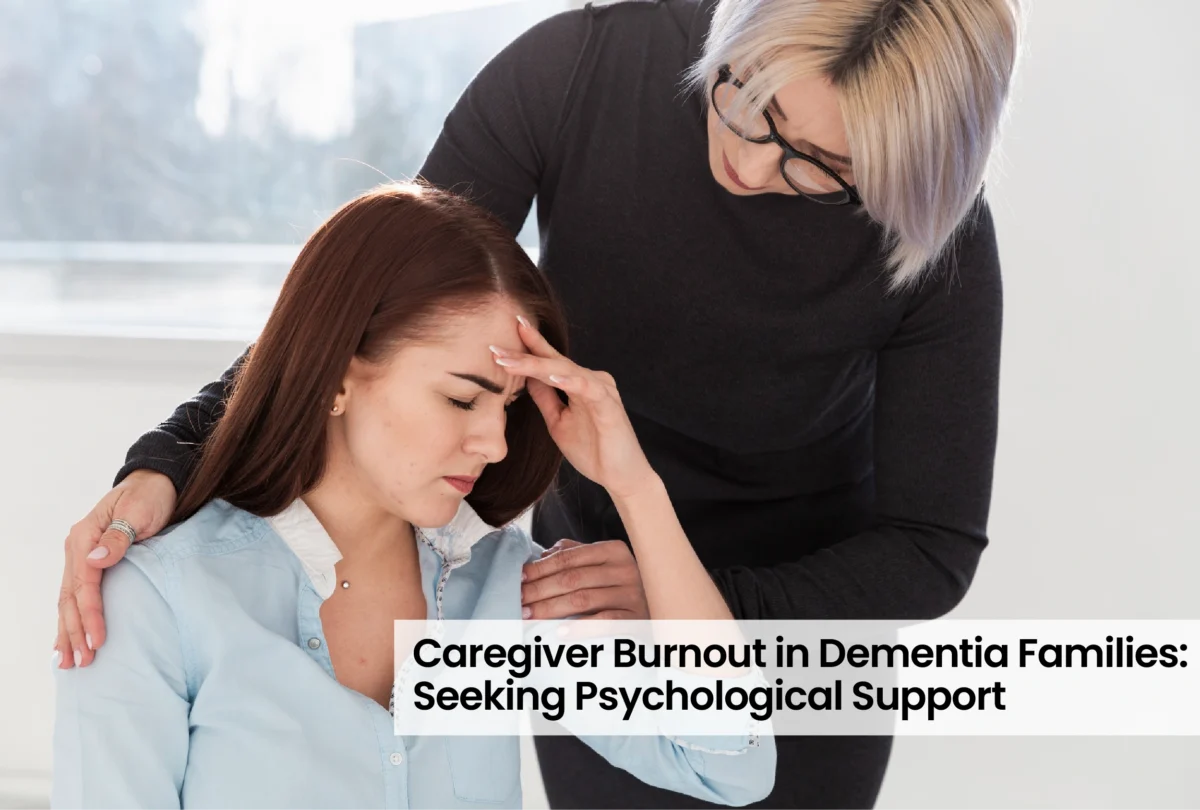
Caring for a loved one with dementia is an act of love, compassion, and dedication. However, it is also one of the most emotionally and physically demanding responsibilities a family member can undertake. Dementia is a progressive condition that gradually affects memory, thinking, communication, and the ability to perform everyday activities. As the disease progresses, family members often become full-time caregivers, balancing medical care, household responsibilities, emotional support, and personal commitments. While the focus is usually on the individual living with dementia, the well-being of caregivers is frequently overlooked.
Over time, the continuous demands of caregiving can lead to caregiver burnout, a state of emotional, physical, and mental exhaustion. Caregiver burnout not only affects the health of the caregiver but can also influence the quality of care provided to the person with dementia. Seeking psychological support at the right time can help caregivers manage stress, improve resilience, and maintain their own well-being while continuing to care for their loved ones.
Understanding Caregiver Burnout
Caregiver burnout is a condition that develops when the ongoing stress of caring for another person becomes overwhelming. Unlike temporary stress, burnout builds gradually over time, leaving caregivers feeling emotionally drained, physically exhausted, and mentally overwhelmed.
Dementia caregiving presents unique challenges because the condition progressively changes a person’s memory, personality, judgment, and behavior. Family caregivers often witness their loved one gradually losing independence and, in many cases, even the ability to recognize close family members. These repeated emotional losses can contribute to chronic stress, grief, anxiety, and depression.
Research has consistently shown that family caregivers of individuals with dementia experience significantly higher levels of psychological distress than caregivers of people with many other chronic illnesses. Without adequate support, prolonged caregiving stress can negatively affect both physical and mental health.
Common Signs of Caregiver Burnout
Burnout often develops slowly, making it difficult for caregivers to recognize the warning signs. Some common symptoms include:
- Constant physical and emotional exhaustion
- Irritability or frequent frustration
- Persistent sadness or feelings of hopelessness
- Anxiety and excessive worrying
- Difficulty sleeping or insomnia
- Loss of interest in hobbies and social activities
- Difficulty concentrating or making decisions
- Feelings of guilt when taking personal time
- Frequent headaches or physical illnesses
- Social withdrawal and isolation
Many caregivers also experience anticipatory grief, mourning the gradual decline of their loved one while they are still alive. This emotional burden can intensify feelings of sadness and helplessness.
Why Dementia Caregivers Face Greater Challenges
Caring for someone with dementia differs from caring for individuals with many other medical conditions because of the unpredictable and progressive nature of the illness.
Continuous Supervision
Many individuals with dementia require constant monitoring to prevent wandering, falls, medication errors, or unsafe behaviors. Caregivers often feel they can never fully relax because they must remain alert throughout the day.
Behavioral and Emotional Changes
People with dementia may develop agitation, aggression, confusion, hallucinations, repetitive questioning, sleep disturbances, or mood swings. Managing these symptoms daily can become emotionally exhausting.
Changing Family Roles
Spouses often become caregivers instead of equal partners, while adult children may suddenly find themselves making important financial, medical, and legal decisions for their parents. These role changes can create emotional strain and feelings of loss.
Financial and Occupational Stress
Many caregivers reduce their working hours or leave their jobs entirely to provide full-time care. This can create financial pressure in addition to emotional stress.
Lack of Personal Time
Caregivers frequently neglect their own medical appointments, exercise routines, hobbies, and friendships because caregiving responsibilities consume most of their time and energy.
The Psychological Impact of Burnout
When caregiver burnout remains unaddressed, it can have serious consequences. Chronic stress increases the risk of anxiety disorders, depression, high blood pressure, weakened immunity, and cardiovascular problems. Emotional exhaustion can also reduce patience, making it more difficult to respond calmly during challenging caregiving situations.
Many caregivers experience feelings of guilt whenever they become frustrated or wish for a break. However, these emotions are common and do not reflect a lack of love or commitment. They simply indicate that the caregiver’s own emotional resources are becoming depleted.
Ignoring burnout can eventually affect family relationships, work performance, and overall quality of life. Therefore, recognizing these signs early and seeking professional support is essential.
The Importance of Psychological Support
Professional psychological support can make a significant difference in helping caregivers cope with the emotional demands of dementia care. Counseling provides a safe, confidential, and non-judgmental environment where caregivers can openly discuss their experiences, fears, frustrations, and grief.
A psychologist can help caregivers:
- Develop healthy coping strategies
- Learn stress management techniques
- Improve emotional regulation
- Manage anxiety and depression
- Address caregiver guilt and grief
- Improve communication within the family
- Build resilience and self-compassion
- Prepare emotionally for the progression of dementia
Psychological interventions such as Cognitive Behavioral Therapy (CBT), mindfulness-based techniques, supportive counseling, and psychoeducation have been found to reduce caregiver stress and improve emotional well-being. Family counseling can also strengthen communication among family members, helping distribute caregiving responsibilities more effectively.
Practical Self-Care Strategies for Caregivers
Although caregiving responsibilities cannot always be reduced, caregivers can take practical steps to protect their own mental health.
Accept Support
Family members, friends, and neighbors may be willing to assist with errands, meals, transportation, or temporary caregiving. Accepting help allows caregivers to rest and recharge.
Prioritize Physical Health
Eating nutritious meals, staying hydrated, engaging in regular physical activity, and getting sufficient sleep all contribute to better emotional resilience.
Stay Socially Connected
Maintaining relationships with supportive friends and family helps reduce feelings of isolation and provides emotional encouragement.
Learn About Dementia
Understanding the progression of dementia and its behavioral symptoms helps caregivers develop realistic expectations and respond more effectively to daily challenges.
Take Regular Breaks
Even short periods of relaxation, such as reading, meditation, walking, or pursuing a hobby, can significantly reduce stress and improve emotional well-being.
Join Caregiver Support Groups
Connecting with other caregivers provides reassurance that one is not alone. Sharing experiences, learning practical coping strategies, and receiving emotional encouragement can reduce feelings of burden and isolation.
When Should Caregivers Seek Professional Help?
Professional psychological support should be sought if caregivers experience:
- Persistent sadness lasting several weeks
- Frequent anxiety or panic attacks
- Chronic sleep difficulties
- Emotional outbursts
- Loss of motivation
- Difficulty performing daily responsibilities
- Feelings of hopelessness
- Thoughts of self-harm or feeling unable to continue caregiving
Seeking help early can prevent burnout from becoming more severe and improve both caregiver well-being and the quality of care provided to the loved one with dementia.
How Psychowellness Center Can Help
Supporting a loved one with dementia should not come at the cost of your own mental health. Psychowellness Center provides compassionate, evidence-based psychological services for caregivers experiencing stress, anxiety, grief, and caregiver burnout. Experienced best psychologists in Delhi, best counselors near me, and work closely with caregivers to help them develop healthy coping strategies, manage emotional distress, and maintain psychological well-being throughout the caregiving journey.
Psychowellness Center offers professional mental health services at both its Janakpuri and Dwarka Sec-17 locations, making quality psychological care accessible to families across Delhi NCR. Individuals seeking support can contact the center at 011-47039812 or 7827208707 to schedule an appointment or learn more about available counseling services.
Conclusion
Dementia affects not only the individual diagnosed but also every family member involved in their care. Family caregivers often devote their time, energy, and emotions to supporting their loved ones while unintentionally neglecting their own health. Over time, this continuous responsibility can lead to caregiver burnout, affecting emotional well-being, physical health, and the ability to provide effective care.
Recognizing the signs of burnout, practicing self-care, accepting help from others, and seeking professional psychological support are essential steps toward maintaining a healthy balance. Caregivers deserve the same compassion and care that they provide to their loved ones. By prioritizing their own mental health and accessing professional support when needed, they can continue providing compassionate care while preserving their own quality of life.
Contributions: Dr. R.K. Suri, Clinical Psychologist, and Ms. Sakshi Dhankhar, Counselling Psychologist
References
https://www.psychowellnesscenter.com/Blog/psychological-tricks-that-can-prevent-dementia/
https://www.psychowellnesscenter.com/Blog/lifestyle-factors-that-reduce-the-risk-of-dementia/
https://www.psychowellnesscenter.com/Blog/whats-the-difference-between-alzheimers-and-dementia/
https://www.psychowellnesscenter.com/Blog/tips-for-handling-hallucinations-of-a-dementia-patient/
Hua, M., Su, J., Zhang, F., Chen, S., Jiaoyue, J., & Yang, L. (2026). Effects of digital psychological interventions for family caregivers of people with dementia: A systematic review and meta-analysis. Age and Ageing, 55(1).
Jackson, G. A., & Browne, D. (2018). Supporting carers of people with dementia: What is effective? BJPsych Advances, 24(3), 174–186.
Pereira, R., et al. (2025). The impact of caregiving on informal caregivers of people with dementia: Family functioning, burden, and burnout. Journal of Clinical Psychology in Medical Settings, 32, 325–335.