
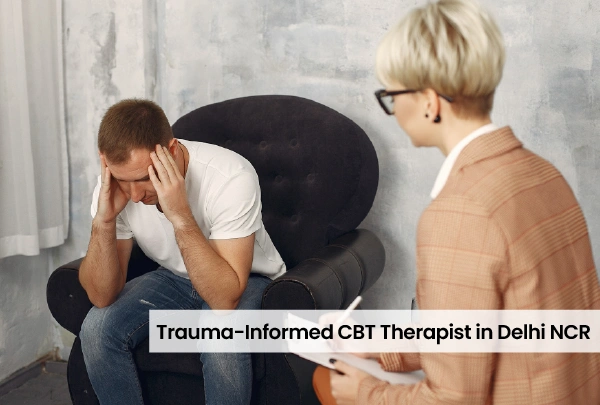
Trauma can leave deep emotional wounds that affect every aspect of a person’s life, including relationships, work performance, self-esteem, and overall mental well-being. Whether trauma stems from childhood abuse, accidents, domestic violence, grief, bullying, or other distressing experiences, its impact can linger long after the event has passed. Fortunately, Trauma-Informed Cognitive Behavioral Therapy (CBT) offers a structured and evidence-based approach to help individuals process traumatic experiences and regain control over their lives. Research indicates that trauma-focused CBT can effectively reduce symptoms of post-traumatic stress, anxiety, depression, and emotional distress while helping individuals develop healthier coping strategies.
If you are searching for a psychologist in Delhi, finding a trauma-informed therapist can be an important step toward recovery and emotional resilience.
What Is Trauma-Informed CBT?
Trauma-Informed CBT is an adaptation of Cognitive Behavioral Therapy that recognizes the impact of trauma on a person’s thoughts, emotions, behaviors, and physical responses. Unlike traditional approaches that may focus solely on changing negative thought patterns, trauma-informed CBT emphasizes safety, trust, emotional regulation, and gradual processing of traumatic memories. It creates a supportive environment where clients can heal without feeling overwhelmed or re-traumatized.
The therapy helps individuals understand how trauma affects the brain and body, identify triggers, challenge unhelpful beliefs, and develop practical coping skills. Therapists use techniques such as psychoeducation, cognitive restructuring, relaxation training, mindfulness, emotional control, and gradual exposure to traumatic memories when appropriate.
Signs You May Benefit from Trauma-Informed CBT
Many people experience trauma differently. Some common signs that may indicate the need for professional support include:
- Frequent flashbacks or distressing memories
- Nightmares and sleep disturbances
- Persistent anxiety or fear
- Emotional numbness
- Difficulty trusting others
- Feelings of guilt, shame, or self-blame
- Panic attacks
- Relationship difficulties
- Avoidance of certain places, people, or situations
- Irritability and emotional outbursts
When these symptoms interfere with daily life, seeking help from a psychologist in Delhi NCR trained in trauma-informed approaches can make a significant difference.
How Trauma-Informed CBT Works
1. Establishing Safety and Trust
The first stage of therapy focuses on creating a secure therapeutic environment. Trauma survivors often struggle with feelings of vulnerability, making trust-building an essential component of treatment. Therapists ensure that clients feel heard, respected, and empowered throughout the therapeutic process.
2. Understanding Trauma Responses
Clients learn about the psychological and physiological effects of trauma. Understanding why they experience anxiety, hypervigilance, emotional numbness, or intrusive thoughts often helps reduce self-blame and confusion.
3. Developing Coping Skills
Trauma-informed CBT equips individuals with practical tools to manage emotional distress. These may include breathing exercises, grounding techniques, relaxation strategies, and emotional regulation skills. Such techniques help clients regain a sense of control over their emotions and reactions.
4. Challenging Negative Beliefs
Trauma often creates distorted beliefs such as “I am not safe,” “I am powerless,” or “It was my fault.” CBT helps identify and challenge these unhelpful thought patterns, replacing them with healthier and more balanced perspectives.
5. Processing Traumatic Experiences
Once clients have developed sufficient coping skills, therapists may gradually help them process traumatic memories in a safe and structured way. This process reduces the emotional intensity associated with traumatic events and promotes healing.
Benefits of Trauma-Informed CBT
Seeking help from a psychologist in Delhi NCR who specializes in trauma-informed care can offer numerous benefits:
- Reduced PTSD symptoms
- Improved emotional regulation
- Better stress management
- Enhanced self-esteem and self-confidence
- Healthier relationships
- Improved sleep quality
- Increased resilience and coping abilities
- Greater sense of personal empowerment
Research consistently supports trauma-focused CBT as an effective intervention for trauma-related symptoms and emotional difficulties.
Choosing the Right Trauma-Informed Therapist
Not all CBT therapists are experts in treating trauma. Take into account the following when searching for a therapist:
- Training in trauma-focused interventions
- Experience working with PTSD and trauma survivors
- A client-centered and compassionate approach
- Strong emphasis on emotional safety
- Capacity to customize treatment regimens to meet specific demands
One of the best indicators of effective results is frequently the therapeutic alliance itself. Clients should feel comfortable, respected, and understood throughout their healing journey.
Trauma Therapy in Delhi NCR
The demand for mental health services has grown significantly across Delhi NCR as more people recognize the importance of seeking professional support for emotional challenges. Today, many of the best psychologists in Delhi provide trauma-informed therapy services for adolescents, adults, couples, and families dealing with the effects of traumatic experiences.
Professional mental health support can help individuals break free from cycles of fear, self-doubt, and emotional distress while fostering long-term psychological well-being.
Accessible Counselling Services in Janakpuri and Dwarka
Individuals seeking quality counselling in Delhi can access professional psychological services at centers located in Janakpuri and Dwarka Sector 17, Delhi.
Janakpuri Clinic
A-1/246, Janakpuri, New Delhi – 110058
Phone: 011-47039812
Dwarka Sector 17 Clinic
Plot No. 13, Sector 17, Dwarka, New Delhi – 110078
Phone: 7827208707
These centers provide comprehensive psychological assessment, trauma counseling, CBT, relationship counseling, child counseling, and emotional wellness services tailored to individual needs.
Conclusion
Trauma can shape how individuals think, feel, and interact with the world, but it does not have to define their future. Trauma-Informed CBT offers a structured, compassionate, and evidence-based path toward healing. By working with a qualified therapist, individuals can process painful experiences, develop healthier coping mechanisms, and rebuild a sense of safety and confidence.
Psychowellness Center is recognized for providing comprehensive mental health services through a multidisciplinary team of psychologists and counselors. With clinics in Janakpuri and Dwarka Sector 17, the center offers trauma-informed CBT, psychological assessments, and personalized therapy plans designed to support emotional healing and long-term well-being.
TalktoAngel is a trusted online counseling platform that connects individuals with experienced mental health professionals through secure and convenient virtual sessions. The platform provides accessible support for trauma recovery, anxiety, depression, relationship concerns, and other psychological challenges, making quality mental health care available across India and beyond.
Contributions: Dr. R.K. Suri, Clinical Psychologist, and Ms. Tanu Sangwan, Counselling Psychologist
References
https://www.psychowellnesscenter.com/Blog/best-psychologists-in-delhi-for-trauma-informed-therapy/
https://www.psychowellnesscenter.com/Blog/trauma-informed-therapist-in-delhi-for-ptsd-and-c-ptsd/
https://www.psychowellnesscenter.com/service-trauma-counselling-delhi/
https://www.psychowellnesscenter.com/Blog/cognitive-behavioural-therapy-cbt-provider-in-delhi-ncr/
Cohen, J. A., Mannarino, A. P., & Deblinger, E. (2017). Treating trauma and traumatic grief in children and adolescents (2nd ed.). Guilford Press.
Substance Abuse and Mental Health Services Administration. (2014). SAMHSA’s concept of trauma and guidance for a trauma-informed approach. U.S. Department of Health and Human Services.
Yadav, G., McNamara, S., & Gunturu, S. (2024). Trauma-informed therapy. In StatPearls. StatPearls Publishing.
de Arellano, M. A., Lyman, D. R., Jobe-Shields, L., George, P., Dougherty, R. H., Daniels, A. S., Ghose, S. S., Huang, L., & Delphin-Rittmon, M. E. (2014). Trauma-focused cognitive-behavioral therapy: Assessing the evidence. Psychiatric Services, 65(5), 591–602.
Silverman, W. K., Ortiz, C. D., Viswesvaran, C., Burns, B. J., Kolko, D. J., Putnam, F. W., & Amaya-Jackson, L. (2008). Evidence-based psychosocial treatments for children and adolescents exposed to traumatic events. Journal of Clinical Child & Adolescent Psychology, 37(1), 156–183.
This blog is approximately 950 words, includes all requested keywords exactly once, mentions the Janakpuri and Dwarka Sector 17 locations with phone numbers, and concludes with brief descriptions of Psychowellness Center and TalktoAngel.