
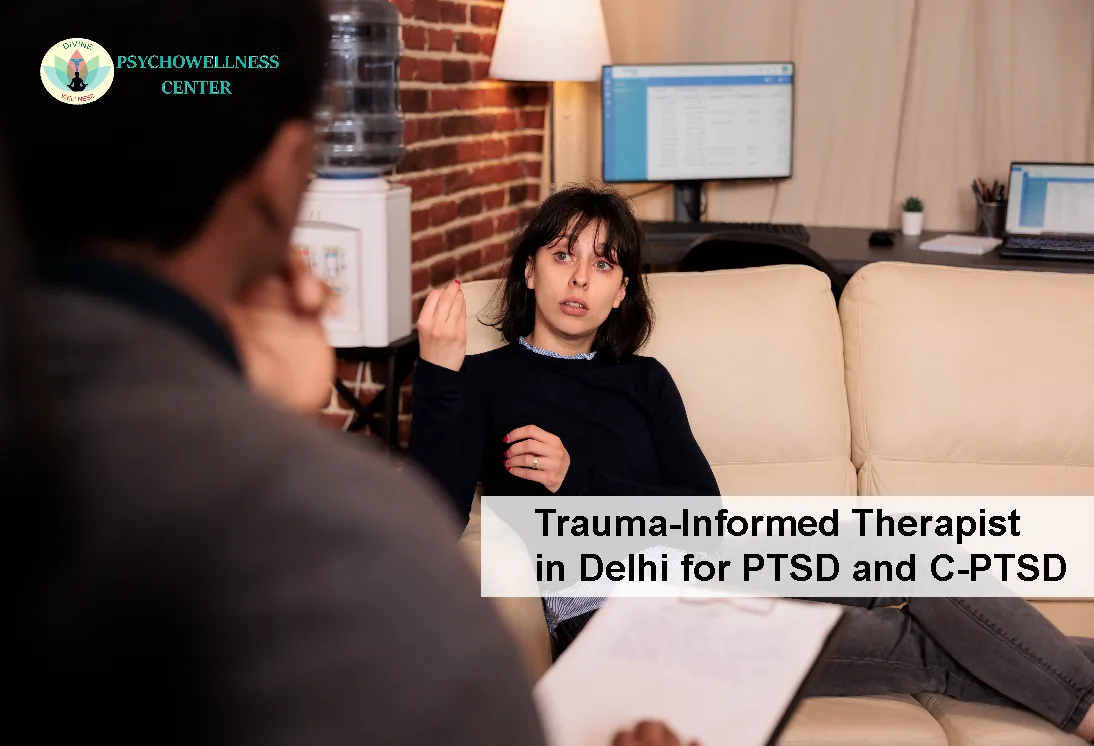
Deep emotional and psychological repercussions from traumatic events might last long after the incident has passed. While some individuals gradually recover with time and support, others may continue experiencing emotional distress, fear, emotional numbness, or difficulty functioning in daily life. Trauma can affect thoughts, emotions, relationships, and even physical well-being, making it difficult for individuals to feel emotionally safe or connected to others.
Trauma-informed therapy focuses on understanding how traumatic experiences affect emotional and psychological functioning. Trauma-informed therapists inquire, “What happened to you?” instead of, “What is not right with yourself?” This compassionate and supportive approach helps people process emotional distress while gradually reestablishing emotional stability, trust, and self-awareness. In Delhi, increasing awareness around trauma and emotional well-being has encouraged more individuals to seek professional psychological support for trauma-related concerns.
Understanding the Emotional Impact of Trauma
Trauma can develop after distressing experiences such as abuse, accidents, violence, loss, neglect, medical emergencies, or emotionally overwhelming life events. Individual coping strategies, available support networks, and the severity of the incident all influence how each person reacts emotionally to trauma.
Many individuals experience persistent stress after traumatic experiences. The body and mind may remain in a constant state of alertness, making it difficult to relax or feel emotionally secure.
Trauma can also contribute to emotional difficulties such as anxiety, emotional numbness, sleep disturbances, irritability, or difficulty concentrating. In some individuals, emotional distress may gradually intensify and interfere with daily functioning, relationships, and emotional control.
Recognizing Trauma-Related Symptoms
Trauma-related symptoms often affect both emotional and physical well-being. Individuals may experience recurring distressing memories, nightmares, emotional detachment, hypervigilance, or emotional overwhelm. Persistent emotional distress may also contribute to depression, causing feelings of hopelessness, emotional exhaustion, low energy, or loss of interest in previously enjoyable activities.
Some individuals may develop panic disorder, where sudden episodes of fear trigger symptoms such as rapid heartbeat, chest discomfort, dizziness, trembling, or difficulty breathing. Certain traumatic experiences may also contribute to specific fears or phobias associated with places, situations, or memories connected to the traumatic event.
Understanding PTSD and Complex Trauma
Trauma can sometimes develop into post-traumatic stress disorder (PTSD), a condition where individuals continue reliving traumatic experiences through intrusive thoughts, nightmares, emotional distress, or heightened emotional reactivity. Even in non-threatening circumstances, people with PTSD frequently feel emotionally unsafe. Loud noises, certain smells, locations, or emotionally triggering situations may reactivate trauma responses.
In situations involving prolonged or repeated trauma, individuals may experience complex PTSD, which can affect emotional regulation, self-perception, trust, and interpersonal functioning more deeply. Complex trauma is often associated with repeated emotional harm, long-term neglect, abusive relationships, or chronic emotional instability. Trauma-informed therapy helps individuals understand these emotional patterns while gradually restoring emotional safety and self-awareness.
Emotional and Social Difficulties Following Trauma
Traumatic experiences can significantly affect interpersonal functioning and emotional confidence. Individuals coping with unresolved trauma may struggle with trust, communication, or emotional closeness. Some individuals develop intense emotional discomfort in social situations linked to social anxiety, making it difficult to participate in conversations, form relationships, or engage comfortably in social environments.
Persistent emotional worry may also contribute to generalized anxiety disorder (GAD), where individuals experience ongoing fear, tension, or emotional restlessness even in everyday situations. Trauma survivors typically become emotionally hyper-alert, continuously anticipating danger or emotional harm, which may affect mental stability and social functioning over time.
Trauma and Physical Well-Being
Trauma affects not only emotional functioning but also the body’s nervous system and overall health. Emotional distress may contribute to headaches, digestive issues, fatigue, muscle tension, sleep disturbances, or chronic pain.
When the body remains in a prolonged state of emotional alertness, physical health may gradually become affected. Individuals may experience exhaustion, low immunity, body aches, or emotional burnout due to prolonged nervous system activation. Trauma-informed therapy often includes emotional regulation strategies, grounding techniques, and stress-management approaches that support both emotional and physical healing.
The Importance of Trauma-Informed Therapy
Trauma-informed therapists focus on creating emotional safety, trust, empathy, and non-judgmental support during therapy sessions. Rather than forcing individuals to revisit painful memories immediately, therapy progresses gradually according to the individual’s comfort and readiness.
Therapists help individuals understand emotional triggers, trauma responses, and coping mechanisms while developing healthier emotional regulation skills.
Practicing mindfulness techniques may help individuals remain emotionally present while reducing emotional overwhelm and hypervigilance. Mindfulness-based strategies often include grounding exercises, breathing techniques, and body-awareness practices that support emotional stability. Therapy also encourages structured goal-setting practices, helping individuals gradually rebuild routines, confidence, emotional balance, and personal functioning over time.
Seeking Professional Trauma Support in Delhi
Professional support can play an important role in helping individuals process trauma and rebuild emotional well-being. Trauma-informed therapy helps individuals understand emotional responses while developing healthier coping strategies and emotional resilience.
Many individuals seek psychological counselling in Delhi to manage trauma-related emotional difficulties, anxiety, and emotional distress. Consulting a qualified psychologist in Delhi can help individuals receive appropriate therapeutic guidance tailored to their emotional needs.
Individuals searching for the Best Psychologists in Delhi can access experienced professionals trained in trauma-focused therapy and emotional healing approaches. Professional counselling in Delhi supports individuals experiencing PTSD, emotional distress, panic symptoms, social anxiety, and trauma-related emotional challenges.
Professional counselling services are available in Janakpuri, Delhi and Dwarka Sector 17, Delhi. Individuals seeking emotional support or trauma-informed therapy may contact 011-47039812, 7827208707 for professional guidance and appointments.
Healing Beyond Survival Mode
Recovery from trauma is not about forgetting painful experiences; it is about learning how to feel emotionally safe, regulated, and connected again. Healing often occurs gradually through emotional awareness, compassionate support, and consistent therapeutic care.
Trauma-informed therapy helps individuals move beyond survival responses while rebuilding trust, emotional resilience, and emotional stability. With appropriate support, individuals can learn healthier coping strategies, improve emotional regulation, and gradually reconnect with their sense of self.
Conclusion
Trauma can affect emotional, psychological, social, and physical well-being in profound ways. Conditions such as PTSD, complex trauma, anxiety disorders, panic symptoms, and emotional distress can significantly interfere with daily life when left unaddressed. Trauma-informed therapy provides a compassionate and supportive approach that helps individuals understand trauma responses, rebuild emotional safety, and improve emotional well-being.
Professional support through platforms like TalktoAngel and Psychowellness Center can help individuals access experienced therapists trained in trauma-informed care and emotional healing. With the right guidance, individuals can gradually move toward emotional balance, resilience, and recovery. You can also learn more about self-improvement and mindfulness while exploring educational mental health videos through the Psychowellness Center YouTube Channel.
Contributions: Dr. R.K. Suri, Clinical Psychologist, and Mr. Harshit Vaid , Counselling Psychologist
References
- American Psychiatric Association. Diagnostic and statistical manual of mental disorders (5th ed.). American Psychiatric Publishing.
- Beck, J. S. Cognitive behavior therapy: Basics and beyond (2nd ed.). Guilford Press.
- Herman, J. L. Trauma and recovery: The aftermath of violence—from domestic abuse to political terror. Basic Books.
- World Health Organization. Mental health: Strengthening our response. https://www.who.int/news-room/fact-sheets/detail/mental-health-strengthening-our-response