
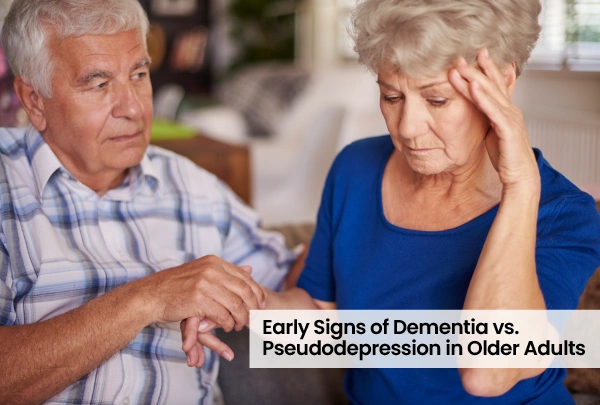
As people age, occasional forgetfulness, slower processing speed, and changes in attention are often considered a normal part of growing older. However, when memory problems begin interfering with daily functioning, decision-making, communication, or independence, they may indicate an underlying cognitive or psychological condition that requires professional evaluation. Two conditions that frequently present with similar symptoms in older adults are dementia and pseudodepression. Although both can involve memory difficulties, poor concentration, and reduced engagement in daily activities, their causes, progression, and treatment approaches differ significantly.
Accurate cognitive assessment plays a crucial role in distinguishing between these conditions. Early identification allows healthcare professionals to recommend appropriate interventions, improve quality of life, support families, and, in some cases, slow the progression of cognitive decline. Comprehensive psychological evaluation considers not only memory performance but also emotional health, medical history, functional abilities, and environmental factors to provide a complete understanding of an individual’s cognitive functioning.
Understanding Cognitive Changes in Older Adults
Growing older naturally brings certain cognitive changes, such as taking slightly longer to recall names or process new information. These age-related changes are usually mild and do not significantly affect independent living. However, persistent cognitive difficulties accompanied by emotional or behavioural changes should never be ignored.
Older adults experiencing prolonged stress may report reduced concentration, forgetfulness, and mental fatigue. Chronic stress affects attention and memory by increasing physiological arousal and interfering with the brain’s ability to process and retrieve information effectively.
Similarly, persistent anxiety can impair working memory, decision-making, and problem-solving abilities. Individuals who constantly worry about health, finances, or family may appear forgetful simply because their attention is divided by excessive worry.
Clinical depression is another common cause of memory complaints among older adults. Individuals may report difficulty concentrating, slowed thinking, poor recall, and decreased participation in everyday activities. These symptoms sometimes resemble dementia but often improve significantly when depression is appropriately treated.
Older adults living with generalised anxiety disorder (GAD) may experience excessive worry that persists for months or years, contributing to sleep disturbances, impaired concentration, and increased cognitive complaints. Comprehensive assessment helps determine whether these symptoms reflect anxiety-related cognitive difficulties or an underlying neurocognitive disorder.
Dementia and Pseudodepression: Understanding the Difference
Dementia is an umbrella term describing progressive neurocognitive disorders that affect memory, reasoning, language, judgement, and daily functioning. Alzheimer’s disease is the most common form, although other types include vascular dementia, Lewy body dementia, and frontotemporal dementia.
Pseudodepression, more accurately referred to as depression-related cognitive impairment or depressive pseudodementia, occurs when severe depression causes symptoms that resemble dementia. Individuals may struggle with memory, concentration, attention, and motivation, leading family members to suspect cognitive decline.
Unlike progressive dementia, pseudodepression is often reversible when the underlying depression is effectively treated. This distinction highlights the importance of comprehensive cognitive and psychological assessments before reaching a diagnosis.
Emotional Factors That Influence Cognitive Function
Older adults frequently experience significant life transitions, including retirement, bereavement, chronic illness, or reduced independence. These changes can contribute to emotional distress that affects cognitive functioning.
Persistent loneliness has been associated with reduced cognitive performance and increased emotional distress. Limited social interaction may decrease mental stimulation while increasing feelings of isolation, both of which influence memory and attention.
Developing realistic goal-setting strategies helps older adults maintain purpose and structure following retirement or major life changes. Meaningful daily activities encourage continued cognitive engagement and emotional well-being.
Some individuals experience increased anger when they become frustrated by memory lapses or declining independence. Emotional frustration may further interfere with concentration, creating a cycle in which emotional distress worsens cognitive performance.
Reduced participation in enjoyable activities often contributes to low motivation, making cognitive symptoms appear more severe than they actually are. Comprehensive assessment helps identify whether decreased motivation results from depression, medical illness, or neurocognitive decline.
What Happens During a Cognitive Assessment?
A cognitive assessment extends beyond simple memory testing. Psychologists evaluate multiple areas of functioning to determine the underlying cause of cognitive concerns.
A comprehensive assessment typically includes:
- Clinical interviews with the individual and family members
- Medical and psychosocial history
- Memory and learning assessment
- Attention and concentration testing
- Language and communication evaluation
- Executive functioning assessment
- Problem-solving and reasoning tasks
- Mood and emotional screening
- Functional assessment of daily living skills
Professionals also examine emotional functioning because psychological conditions frequently influence cognitive performance.
Developing healthy assertiveness allows older adults to communicate concerns regarding memory changes without embarrassment or fear of being judged. Open communication often leads to earlier assessment and more effective intervention.
Similarly, maintaining healthy emotional control helps individuals cope with uncertainty during the diagnostic process while reducing emotional distress associated with cognitive changes.
Recognising Warning Signs That Require Professional Evaluation
Although occasional forgetfulness is expected with ageing, certain symptoms warrant comprehensive assessment.
Families should consider professional evaluation if an older adult experiences:
- Frequent memory loss affecting daily life
- Difficulty following conversations
- Confusion regarding familiar places or routines
- Poor judgement or decision-making
- Repeatedly asking the same questions
- Personality or behavioural changes
- Difficulty managing finances or medications
- Problems completing familiar tasks
- Withdrawal from social activities
- Significant changes in mood or behaviour
Some individuals may also develop a phobia related to leaving home or participating in unfamiliar situations because they fear becoming confused or embarrassed. Recognising these behavioural changes helps professionals distinguish emotional responses from cognitive impairment.
Cognitive assessments also explore interpersonal problem patterns, as increasing misunderstandings, social withdrawal, or difficulty maintaining relationships may reflect either emotional distress or early neurocognitive decline.
Finally, evaluating communication abilities is essential because changes in language comprehension, word-finding, or conversation skills may indicate either normal ageing, a communication disorder, or the early stages of dementia. These findings are interpreted alongside emotional, behavioural, and medical information to ensure an accurate diagnosis and individualised treatment plan.
Lifestyle Factors That Support Cognitive Health
While cognitive assessments help identify the nature of memory concerns, adopting healthy lifestyle habits also plays an important role in maintaining brain health and emotional well-being. Although these strategies cannot prevent all forms of dementia, they may reduce risk factors, improve daily functioning, and support overall quality of life.
Practising mindfulness encourages older adults to remain focused on the present moment rather than becoming overwhelmed by worries about memory changes or the future. Mindfulness-based interventions have been associated with improved emotional regulation, reduced psychological distress, and enhanced attention.
Maintaining meaningful friendship networks is equally important. Regular social interaction stimulates cognitive functioning, provides emotional support, and reduces the sense of isolation that often accompanies ageing. Participating in community groups, hobbies, volunteer activities, or senior wellness programs encourages continued mental engagement and emotional resilience.
Some older adults also experience social anxiety, particularly if they fear forgetting names, losing track of conversations, or becoming embarrassed in public settings. Psychological support helps individuals gradually rebuild confidence while encouraging healthy social participation.
Protecting physical health through regular exercise, nutritious eating habits, adequate sleep, proper management of chronic medical conditions, and routine health check-ups also contributes significantly to healthy cognitive ageing. Research consistently demonstrates that physical and mental health are closely interconnected throughout later adulthood.
The Importance of Early Intervention
One of the greatest benefits of comprehensive cognitive assessment is early intervention. Identifying cognitive or emotional concerns at an early stage allows professionals to recommend individualised treatment plans that maximise independence and improve long-term outcomes.
When cognitive symptoms are primarily related to depression or anxiety, psychological treatment may significantly improve memory, concentration, motivation, and overall functioning. In cases of dementia, early diagnosis enables families to plan appropriate medical care, lifestyle modifications, cognitive rehabilitation, and supportive services before symptoms become more advanced.
Treatment plans may include:
- Comprehensive psychological assessment
- Individual psychotherapy
- Cognitive Behaviour Therapy (CBT)
- Cognitive stimulation therapy
- Memory enhancement strategies
- Family psychoeducation
- Stress management techniques
- Relaxation training
- Lifestyle modification programs
- Collaboration with physicians and neurologists when appropriate
Professional intervention also provides caregivers with education regarding communication strategies, behavioural management, and emotional support, helping reduce caregiver burden while improving the quality of care provided to older adults.
Individuals searching for the Best Psychologists in Delhi, seeking psychological counselling in Delhi, exploring Geriatric counselling, or looking for Depression counselling can benefit from multidisciplinary assessments that address both emotional well-being and cognitive functioning. Comprehensive evaluation helps ensure that treatment recommendations are tailored to each individual’s unique psychological, cognitive, and medical needs.
Supporting Families Throughout the Assessment Process
Memory changes often affect the entire family, not just the individual experiencing symptoms. Family members may struggle to understand behavioural changes, increased forgetfulness, emotional withdrawal, or communication difficulties. Without proper assessment, these symptoms may be misunderstood as normal ageing, stubbornness, or personality changes.
Psychoeducation helps families recognise the differences between dementia, depression-related cognitive impairment, and normal age-related forgetfulness. It also encourages realistic expectations while promoting empathy, patience, and collaborative caregiving.
Family involvement during assessment provides valuable information regarding changes in daily functioning, behaviour, emotional well-being, and independence. This collaborative approach improves diagnostic accuracy while ensuring that intervention plans address both the individual’s and family’s needs.
Conclusion
Without careful consideration, cognitive changes in older adulthood should never be written off as an unavoidable aspect of ageing. Although dementia and pseudodepression may appear similar initially, comprehensive psychological and cognitive assessments help distinguish between these conditions, allowing individuals to receive timely and appropriate care. Early identification not only improves treatment outcomes but also enhances independence, emotional well-being, and quality of life for both older adults and their families.
Professional psychological support is available through TalktoAngel, an online counselling platform, and Psychowellness Center, which offers comprehensive mental health services. Comprehensive psychological services are available at Janakpuri, Delhi, and Dwarka Sector 17, Delhi. For appointments or further information, individuals may contact 011-47039812 or 7827208707. Seeking professional support early can help older adults preserve cognitive functioning, strengthen emotional resilience, manage age-related psychological challenges, and encourage healthier patterns of thinking, behaviour, and overall well-being.
You can learn more about self-improvement and mindfulness and explore more educational videos on the Psychowellness Center YouTube Channel.
Contributions: Dr. R.K. Suri, Clinical Psychologist, and Mr. Harshit, Counselling Psychologist
References
https://www.psychowellnesscenter.com/Blog/psychological-tricks-that-can-prevent-dementia/
https://www.psychowellnesscenter.com/Blog/role-of-prolonged-stress-and-anxiety-in-memory-loss/
https://www.psychowellnesscenter.com/Blog/reasons-behind-memory-problems-among-young-adults/
https://www.psychowellnesscenter.com/Blog/treatment-for-memory-problems-in-young-adults/
American Psychiatric Association. (2022). Diagnostic and statistical manual of mental disorders (5th ed., text rev.). American Psychiatric Association Publishing.
Lezak, M. D., Howieson, D. B., Bigler, E. D., & Tranel, D. (2012). Neuropsychological assessment (5th ed.). Oxford University Press.
Petersen, R. C. (2018). Mild cognitive impairment. Continuum, 24(3), 667–686.
Sachs-Ericsson, N., & Blazer, D. G. (2015). Depression and cognitive decline in older adults. Annual Review of Clinical Psychology, 11, 331–360.
World Health Organization. (2022). World mental health report: Transforming mental health for all. World Health Organization.