
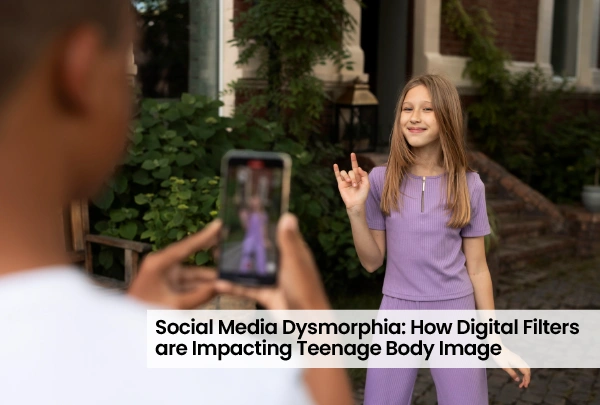
In today’s digital age, social media platforms have become an integral part of teenagers’ daily lives. Applications such as Instagram, Snapchat, TikTok, and Facebook allow young people to connect, express themselves, and share experiences. However, alongside these benefits, a growing concern has emerged social media dysmorphia, a phenomenon where individuals develop distorted perceptions of their appearance due to constant exposure to edited and filtered images online. For teenagers, whose identities and self-esteem are still developing, the impact of digital filters can be profound, affecting body image, confidence, and mental health.
Understanding Social Media Dysmorphia
Social media dysmorphia refers to the dissatisfaction individuals feel with their natural appearance after comparing themselves to highly edited, filtered, or enhanced images on social media. Unlike traditional media, social platforms allow users to modify their own photos instantly using beauty filters that smooth skin, enlarge eyes, reshape facial features, and create unrealistic standards of beauty.
Teenagers are especially vulnerable because adolescence is a period marked by heightened self-awareness and sensitivity to peer opinions. When young people constantly encounter idealized images, they may begin to view their own appearance as inadequate, leading to feelings of insecurity and self-criticism.
Digital Filters’ Impact on Beauty Standards
Digital filters have transformed the way beauty is presented online. Many filters subtly alter facial symmetry, skin texture, and body proportions, making the changes appear natural. Over time, teenagers may begin to believe that these enhanced appearances represent reality.
The repeated exposure to flawless images creates unrealistic beauty expectations. Young users often compare themselves to influencers, celebrities, and even friends who use filters extensively. This comparison can contribute to low self-esteem and body dissatisfaction, particularly among adolescents who spend significant amounts of time on social media.
Research suggests that appearance-focused social media use is associated with greater body image concerns and a higher risk of anxiety and depressive symptoms. The pressure to achieve perfection online can make teenagers feel that their worth depends on their physical appearance.
Psychological Effects on Teenagers
1. Low Self-Esteem
When teenagers compare themselves to filtered images, they may feel they fall short of societal expectations. Constant comparison can reduce self-confidence and create a negative self-image.
2. Increased Anxiety and Depression
The desire to meet unrealistic beauty standards can contribute to chronic stress, anxiety, and depressive symptoms. Teens may become preoccupied with how they look rather than focusing on personal growth and achievements.
3. Body Dysmorphic Concerns
Some adolescents develop obsessive concerns about perceived physical flaws. They may spend excessive time checking mirrors, editing photos, or seeking reassurance about their appearance.
4. Social Withdrawal
Fear of being judged or appearing imperfect may cause teenagers to avoid social situations, photographs, or public interactions. This can negatively impact friendships and social development.
5. Seeking Cosmetic Procedures
A concerning trend is the increasing number of young people seeking cosmetic treatments to resemble their filtered online images. Mental health professionals often refer to this as “Snapchat dysmorphia,” highlighting the influence of social media filters on appearance-related concerns.
Why Teenagers Are Particularly Vulnerable
Several factors make adolescents more susceptible to social media dysmorphia:
- Developing self-identity and self-concept.
- Increased peer influence and social comparison.
- High engagement with image-based social media platforms.
- Desire for social approval through likes, comments, and followers.
- Limited awareness of photo editing and digital manipulation techniques.
Because teenagers often equate online validation with self-worth, they may become emotionally dependent on social media feedback.
Recognizing Warning Signs
Teenagers who struggle with social media dysmorphia may exhibit the following symptoms, which parents, educators, and other caregivers should be aware of:
- Excessive use of beauty filters.
- Frequent negative comments about appearance.
- Constant comparison with influencers or peers.
- Obsession with selfies and photo editing.
- Avoidance of unfiltered photographs.
- Declining self-esteem and confidence.
- Symptoms of anxiety, sadness, or social isolation.
Early identification can help prevent long-term emotional difficulties.
Strategies to Promote Healthy Body Image
Encourage Media Literacy
Teaching teenagers how digital images are edited can help them understand that many online appearances are unrealistic. Awareness reduces the likelihood of unhealthy comparisons.
Promote Self-Acceptance
Instead of aiming for perfection, parents and educators can help adolescents value their individuality. Focusing on strengths, talents, and achievements beyond appearance fosters resilience.
Limit Appearance-Focused Content
Encouraging balanced social media use and following diverse, body-positive accounts can reduce exposure to unrealistic beauty standards.
Foster Open Communication
Creating a safe environment where teenagers can discuss their insecurities and online experiences helps them process negative feelings and seek support when needed.
Encourage Offline Activities
Participation in sports, hobbies, arts, and community activities can strengthen self-esteem by providing a sense of accomplishment unrelated to appearance.
The Importance of Professional Support
When body image concerns begin affecting a teenager’s emotional well-being, academic performance, or social functioning, professional intervention can be beneficial. A qualified psychologist in Delhi can help adolescents understand the relationship between social media use and self-esteem while teaching healthier coping strategies.
Families seeking a psychologist in Delhi NCR can benefit from evidence-based therapies such as Cognitive Behavioral Therapy (CBT), which helps challenge distorted beliefs about appearance and self-worth. Consulting a psychologist in Delhi NCR can provide adolescents with practical tools to manage comparison behaviors and build confidence.
Mental health professionals recognized among the best psychologists in Delhi often work closely with parents and teenagers to address body image concerns, social anxiety, and self-esteem issues. Accessing quality counselling in Delhi can support teenagers in developing a healthier relationship with social media and their own appearance.
Conclusion
Social media dysmorphia is an emerging mental health concern that highlights the powerful influence of digital filters on teenage body image. While social media can offer connection and creativity, unrealistic beauty standards promoted through edited images can contribute to self-doubt, anxiety, and body dissatisfaction. By encouraging media literacy, promoting self-acceptance, and seeking professional guidance when necessary, families can help teenagers navigate the digital world with greater confidence and resilience.
For individuals and families seeking professional mental health support, Psychowellness Center offers psychological services through its centers in Janakpuri and Dwarka Sector 17, Delhi. Their team works with adolescents experiencing self-esteem, body image, and emotional concerns. For appointments, contact 011-47039812 or 7827208707.
Additionally, TalktoAngel provides accessible online counseling services, connecting clients with experienced psychologists and therapists across India. Together, Psychowellness Center and TalktoAngel aim to promote emotional well-being and support healthy psychological development among teenagers facing modern digital challenges.
Contributions: Dr. R.K. Suri, Clinical Psychologist, and Ms. Tanu Sangwan, Counselling Psychologist
References
https://www.psychowellnesscenter.com/Blog/social-media-manipulation-and-self-image/
https://www.psychowellnesscenter.com/Blog/reshaping-a-blurred-identity-due-to-social-media-overuse/
Fardouly, J., Diedrichs, P. C., Vartanian, L. R., & Halliwell, E. (2015). Social comparisons on social media: The impact of Facebook on young women’s body image concerns and mood. Body Image, 13, 38–45. https://doi.org/10.1016/j.bodyim.2014.12.002
Holland, G., & Tiggemann, M. (2016). A systematic review of the impact of social networking sites on body image and disordered eating outcomes. Body Image, 17, 100–110. https://doi.org/10.1016/j.bodyim.2016.02.008
Perloff, R. M. (2014). Social media effects on young women’s body image concerns: Theoretical perspectives and an agenda for research. Sex Roles, 71(11–12), 363–377. https://doi.org/10.1007/s11199-014-0384-6
Rodgers, R. F., Slater, A., Gordon, C. S., McLean, S. A., Jarman, H. K., & Paxton, S. J. (2020). A biopsychosocial model of social media use and body image concerns. Body Image, 33, 188–199. https://doi.org/10.1016/j.bodyim.2020.03.002
Santarossa, S., & Woodruff, S. J. (2017). #SocialMedia: Exploring the relationship of social networking sites on body image, self-esteem, and eating disorders. Social Media + Society, 3(2), 1–10. https://doi.org/10.1177/2056305117704407