
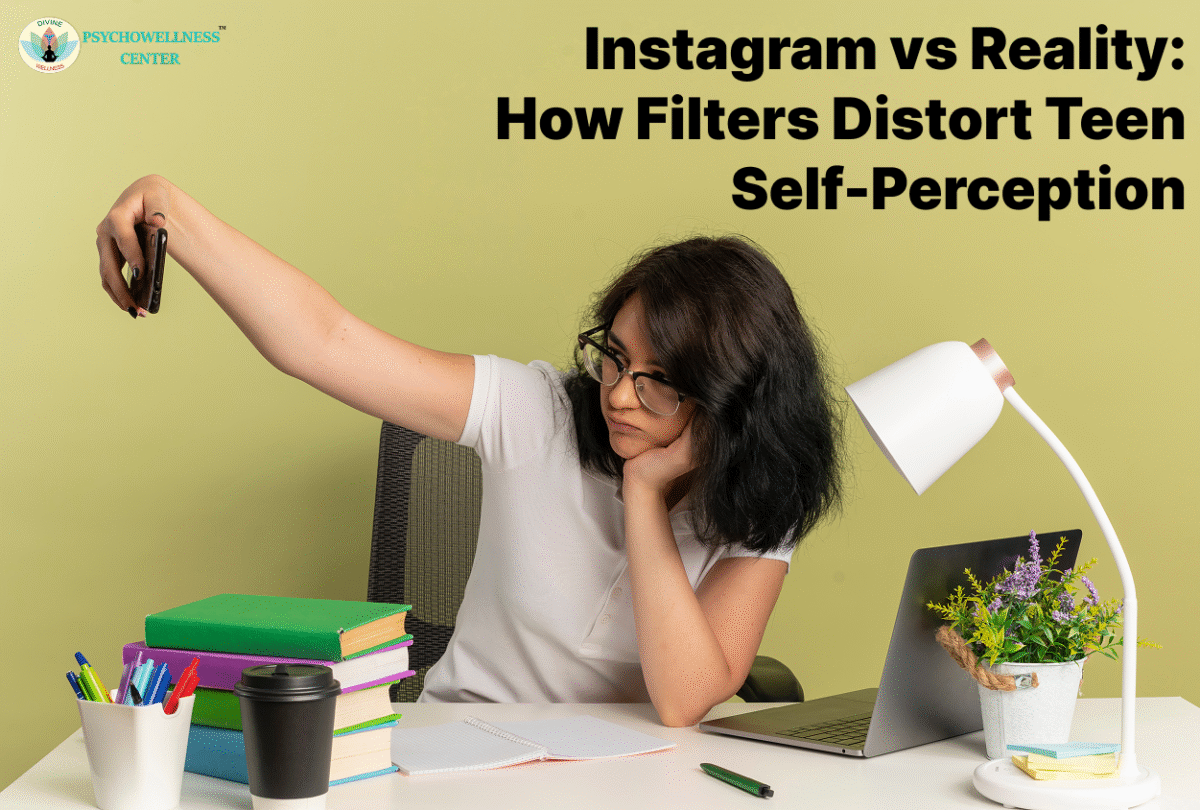
In an era defined by curated aesthetics, polished selfies, and instant validation, teenagers are growing up immersed in a digital world that thrives on illusion. At the center of this is Instagram—a platform that has evolved from a simple photo-sharing app into a space where identities are shaped, self-worth is measured in likes, and filters blur the line between real and fake. While Instagram can be a tool for creativity and connection, it can also quietly damage mental health—especially for teenagers. Behind the pretty pictures lies a harsh reality of low self-esteem, depression, identity crisis, and social isolation, all exacerbated by the filtered and edited lives they see on screen.
The Rise of Filters and Digital Beauty Standards
Filters were once simple tools to brighten images or add a fun effect. Today, they can completely change the way someone looks—smoothing skin, enlarging eyes, slimming noses, whitening teeth, and even reshaping faces. Many of these features are now automatically applied by default. For teens still forming their identities, this creates a dangerous psychological trap. They begin to believe that filtered beauty is real beauty. The comparison is constant, and they often don’t realise that what they’re measuring themselves against is fake.
Mental Health Fallout: The Silent Epidemic Among Teens
1.Low Self-Esteem and Body Image Issues
One of the most damaging effects of Instagram filters is the development of low self-esteem. Teens start to internalise the belief that they’re not attractive enough, not popular enough, and not successful enough—because their real, unfiltered lives don’t match what they see on Instagram. Teens who constantly compare themselves to these edited images may begin to hate their natural appearance, leading to body dysmorphia, eating disorders, and a harmful obsession with appearance.
2.Stress, Anxiety, and the Pressure to Perform
The need to look good online isn’t just about beauty—it’s about performance. Teens feel constant pressure to take the perfect photo, get the most likes, or show that their life is exciting and full of achievements. This performance pressure leads to overwhelming stress and anxiety, as their digital identity becomes more important than their real self. Even when they’re unhappy, they may feel the need to pretend they’re thriving. This creates an emotional disconnect that builds internal tension and fosters feelings of being a fraud or failure.
3.Depression and Low Motivation
As this cycle of comparison and performance continues, many teens begin to withdraw. They lose interest in school, hobbies, or socialising because they believe they can never measure up. This deepens into low motivation, hopelessness, and eventually clinical depression.
They start asking themselves:
- “What’s the point if I’m never good enough?”
- “Why bother trying when everyone else is already ahead?”
This can severely impact academic performance, personal growth, and career aspirations. Many teens stop setting long-term goals, convinced that success is tied to appearance or popularity rather than effort and intelligence.
4.Fear of Missing Out (FOMO) and Social Isolation
Instagram is a constant highlight reel. Teens scroll through parties, vacations, relationships, and milestones—and feel left behind. This leads to a crippling Fear of Missing Out (FOMO)—the sense that everyone else is living a better, more fulfilled life without them. Ironically, while trying to stay connected through Instagram, teens may begin to feel socially isolated, disconnected from real friendships, and unsure of where they belong.
They might withdraw from real-life events, relationships, and opportunities, fearing that they don’t “measure up” or that they won’t fit in. Over time, this leads to adjustment issues in school, college, or the workplace.
5.Identity Crisis in the Age of Social Media
Adolescence is already a time of self-discovery, but Instagram interferes with this process. Teens begin to adopt personas based on what gains attention or approval online. This constant shape-shifting for validation leads to a crisis of identity—they no longer know who they really are without a filter. This identity confusion is deeply harmful. It can delay emotional development, strain family relationships, and create long-term issues in confidence and decision-making.
6.Anger and Emotional Frustration
When teens feel trapped by unrealistic expectations, they often experience anger—directed at themselves for not being “enough,” or at others who seem to “have it all.” This anger can manifest as irritability, social rebellion, or even aggression. They may become resentful of their own lives, jealous of peers, or even turn their anger inward—leading to self-harm or destructive behaviour.
What Can Be Done? Solutions for Teens, Parents, and Society
For Teens:
- Follow body-positive, authentic creators who don’t use heavy filters.
- Use apps like BeReal or journal your real feelings offline.
- Take regular social media detoxes.
- Remind yourself: You are more than your appearance.
For Parents:
- Don’t criticise appearances—yours or your child’s.
- Talk openly about the difference between reality and social media.
- Encourage real-world friendships and offline hobbies.
- Watch for changes in mood, sleeping habits, or academic performance.
For Schools & Communities:
- Incorporate media literacy education in classrooms.
- Offer counselling services that address social media-related mental health.
- Create safe spaces where students can talk honestly about these issues.
Final Thoughts: Reclaiming Reality
Instagram isn’t going away—and neither are filters. But what can change is how teens understand and interact with them. We must guide young people to see that they are not broken, inadequate, or invisible just because they don’t match a digitally altered standard. Real beauty, confidence, and identity are rooted in authenticity—not in filters.
For teens struggling with distorted self-image, low self-esteem, or the pressure to look “perfect” online, therapeutic support can make a lasting difference. If you’ve found yourself searching for the best psychologist near me to help your teen navigate these challenges, you’re not alone. At the Psychowellness Center in Dwarka Sector-17 and Janakpuri, New Delhi (Contact: 011-47039812 / 7827208707), a team of skilled clinical and counselling psychologists provides expert care using approaches like CBT and Trauma-Focused Therapy to rebuild healthy self-esteem and body image. For added flexibility, online platforms like TalktoAngel offer access to qualified psychologists across India.
Whether through in-person sessions or online therapy, both the Psychowellness Center and TalktoAngel are committed to helping teens and young adults heal from the emotional impact of social media, embrace their true selves, and build confidence that isn’t filtered—but real. Because life is messy, raw, and unfiltered—and that’s exactly what makes it beautiful.
Contribution: Dr. R.K. Suri, Clinical Psychologist, and Ms. Drishti Rajore, Counselling Psychologist
Reference
- Fardouly, J., Diedrichs, P. C., Vartanian, L. R., & Halliwell, E. (2015). Social comparisons on social media: The impact of Facebook on young women’s body image concerns and mood. Body Image, 13, 38–45. https://doi.org/10.1016/j.bodyim.2014.12.002
- Kleemans, M., Daalmans, S., Carbaat, I., & Anschütz, D. (2018). Picture perfect: The direct effect of manipulated Instagram photos on body image in adolescent girls. Media Psychology, 21(1), 93–110. https://doi.org/10.1080/15213269.2016.1257392
- Nesi, J., & Prinstein, M. J. (2015). Using social media for social comparison and feedback-seeking: Gender and popularity moderate associations with depressive symptoms. Journal of Abnormal Child Psychology, 43, 1427–1438. https://doi.org/10.1007/s10802-015-0020-0
- https://www.psychowellnesscenter.com/Blog/how-friends-shape-academic-attitudes-in-teenagers/