
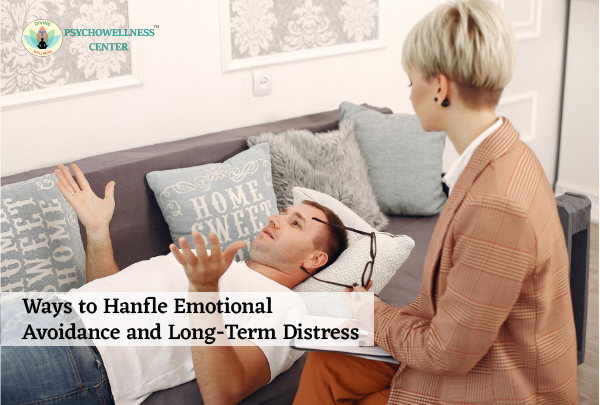
Emotional avoidance is a common coping mechanism where individuals suppress, ignore, or escape uncomfortable feelings rather than confronting them. While this may provide short-term relief, it often leads to long-term distress, anxiety, and even physical health issues. Many individuals searching for a therapist near me do so because they feel stuck in patterns of avoidance that prevent them from living a fulfilling life. Understanding how to manage emotional avoidance is essential for long-term psychological well-being.
What Is Emotional Avoidance?
Emotional avoidance refers to the tendency to push away difficult emotions such as sadness, anger, fear, or guilt. This can take many forms, including distraction, denial, substance use, or overworking. While avoidance may seem helpful initially, it prevents emotional processing and often intensifies distress over time.
When working with the Best Psychologists in Delhi, individuals learn that emotions are signals, not problems to be eliminated. Avoiding them can create a cycle where unresolved feelings resurface in more intense ways.
The Link Between Avoidance and Long-Term Distress
Avoiding emotions does not make them disappear. Instead, it can lead to:
- Chronic stress and anxiety
- Emotional numbness
- Difficulty in relationships
- Increased risk of depression
A qualified psychologist in Delhi often helps clients understand that avoidance reinforces fear and prevents emotional growth. Over time, this pattern can limit personal and professional development.
Recognizing Signs of Emotional Avoidance
Before addressing emotional avoidance, it is important to identify it. Common signs include:
- Constantly staying busy to avoid thinking
- Difficulty identifying or expressing emotions
- Procrastination on emotionally challenging tasks
- Over-reliance on distractions like social media or work
- Feeling disconnected from oneself or others
Acknowledging these patterns is the first step toward meaningful change.
Effective Ways to Handle Emotional Avoidance
1. Practice Emotional Awareness
Start by noticing your emotions without judgment. Instead of labeling feelings as “good” or “bad,” try to observe them as temporary experiences. Journaling or mindfulness practices can help you identify what you are feeling and why.
Working with the best therapist in Delhi can guide you in developing emotional awareness techniques that feel safe and manageable.
2. Gradual Exposure to Emotions
Facing emotions all at once can feel overwhelming. Instead, take small steps toward acknowledging and experiencing them. For example, if you avoid difficult conversations, begin by expressing your thoughts in writing before speaking.
Gradual exposure helps reduce the intensity of emotions and builds self-confidence in handling them.
3. Develop Healthy Coping Strategies
Replace avoidance behaviors with constructive coping mechanisms such as:
- Deep breathing exercises
- Physical activity
- Creative outlets like art or music
- Talking to a trusted friend or
These strategies allow you to process emotions rather than suppress them.
4. Challenge Negative Thought Patterns therapist
Emotional avoidance is often linked to negative beliefs, such as “I can’t handle this” or “This feeling will never go away.” Cognitive restructuring helps you challenge these thoughts and replace them with more balanced perspectives.
Therapists often use evidence-based approaches like Cognitive Behavioral Therapy (CBT) to address these patterns effectively.
5. Build Emotional Tolerance
Learning to sit with uncomfortable emotions without reacting impulsively is a key skill. This involves accepting that discomfort is a natural part of life and does not need to be avoided.
Over time, building emotional tolerance reduces the fear associated with difficult feelings and enhances resilience.
6. Strengthen Social Support
Connecting with others can significantly reduce emotional distress. Sharing your experiences with supportive individuals helps normalize your feelings and provides new perspectives.
Professional support is equally important. If you are in Delhi, especially in Janakpuri or Dwarka Sector 17, you can access experienced therapists by calling 011-47039812 / 7827208707 for guidance and appointments.
7. Commit to Therapy
Therapy provides a structured and safe environment to explore and process emotions. A trained therapist helps you uncover the root causes of avoidance and develop personalized strategies to overcome it.
Individuals seeking help in Janakpuri and Dwarka Sector 17, Delhi, often benefit from consistent sessions that focus on long-term emotional well-being.
Why Professional Help Matters
While self-help strategies are valuable, professional guidance ensures that you are addressing emotional avoidance effectively. Therapists use evidence-based techniques tailored to your specific needs, making the process more structured and impactful.
If you are experiencing persistent distress, reaching out to a mental health professional can be a transformative step. Services in Janakpuri and Dwarka Sector 17 are easily accessible, and you can connect with experts through 011-47039812 / 7827208707.
Long-Term Benefits of Addressing Emotional Avoidance
When emotional avoidance is replaced with healthy processing, individuals often experience:
- Improved mental clarity
- Stronger relationships
- Reduced anxiety and stress
- Greater emotional resilience
- Enhanced overall well-being
These changes not only improve mental health but also contribute to a more balanced and fulfilling life.
Conclusion
Emotional avoidance may feel like a protective mechanism, but it often leads to deeper and more persistent distress over time. By developing emotional awareness, practicing healthy coping strategies, and seeking professional support, individuals can break free from this cycle and achieve long-term well-being.
Psychowellness Center is known for offering comprehensive mental health services with experienced professionals who help individuals manage emotional challenges effectively. TalktoAngel, an online counseling platform, provides convenient access to qualified therapists, making it easier for individuals to seek support from the comfort of their homes.
Contributions: Dr. R.K. Suri, Clinical Psychologist, and Ms. Tanu Sangwan, Counselling Psychologist
References
https://www.psychowellnesscenter.com/Blog/why-do-some-people-avoid-emotional-connections/
https://www.psychowellnesscenter.com/Blog/handle-emotions-before-they-handle-you/
https://www.psychowellnesscenter.com/Blog/tips-to-gain-control-over-your-emotions/
https://www.psychowellnesscenter.com/Blog/overcoming-existential-anxiety-through-counselling/
American Psychological Association. (2020). Publication manual of the American Psychological Association (7th ed.). APA.
Hayes, S. C., Strosahl, K. D., & Wilson, K. G. (2016). Acceptance and commitment therapy: The process and practice of mindful change. Guilford Press.
Kashdan, T. B., Barrios, V., Forsyth, J. P., & Steger, M. F. (2006). Experiential avoidance as a generalized psychological vulnerability. Journal of Behavioral Therapy and Experimental Psychiatry, 37(3), 244–255.
Linehan, M. M. (2015). DBT skills training manual (2nd ed.). Guilford Press.
Roemer, L., & Orsillo, S. M. (2009). Mindfulness- and acceptance-based behavioral therapies in practice. Guilford Press.