
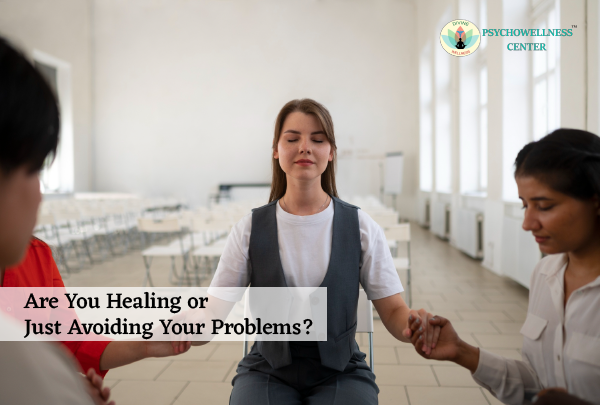
In today’s fast-paced world, emotional struggles are often hidden behind productivity, social media positivity, or endless distractions. Many people believe they are “healing” because they are keeping themselves busy, avoiding painful conversations, or trying not to think about difficult emotions. But true healing and emotional avoidance are not the same thing. While healing involves understanding, processing, and growing through emotional pain, avoidance only pushes problems deeper into the subconscious, where they often reappear in different forms, such as anxiety, anger, burnout, or relationship difficulties.
The difference between healing and avoidance can sometimes be difficult to recognize because avoidance may temporarily feel comforting. Ignoring emotional pain can create the illusion that things are improving. However, unresolved emotions do not disappear on their own. Psychological research shows that emotional avoidance and suppression are associated with increased psychological distress and difficulties in emotional control.
What Does Real Healing Look Like?
Healing is an active process. It involves acknowledging emotions instead of suppressing them. It means facing difficult memories, understanding emotional triggers, and learning healthier coping mechanisms. Healing does not mean feeling happy all the time. In fact, genuine emotional growth often includes discomfort, vulnerability, and self-reflection.
A person who is healing may:
- Accept painful emotions without judging themselves
- Reflect on past experiences honestly
- Set healthy boundaries
- Seek support from the Best psychologists in India when needed
- Learn healthier emotional coping skills
- Take responsibility for their emotional well-being
Healing is gradual and non-linear. Some days may feel emotionally exhausting, while others may bring clarity and peace. The important part is emotional engagement rather than emotional escape.
Signs You May Be Avoiding Your Problems
Avoidance can appear in subtle ways. Many people do not even realize they are emotionally avoiding because society often rewards distraction and emotional suppression. Someone may appear successful and socially active while internally struggling with unresolved pain.
Common signs of emotional avoidance include:
- Constantly staying busy to avoid thinking
- Excessive use of social media, work stress, or entertainment as distractions
- Avoiding difficult conversations
- Suppressing emotions instead of expressing them
- Pretending to be “fine” all the time
- Using toxic positivity to dismiss genuine feelings
- Isolating yourself emotionally
- Engaging in unhealthy coping habits such as emotional eating, substance use, or impulsive behaviors
Research on experiential avoidance explains that continuously escaping emotional discomfort can intensify anxiety, stress, and emotional suffering over time.
Why Avoidance Feels Easier
Avoidance often feels safer because confronting emotional pain can feel overwhelming. Many individuals fear vulnerability because they associate emotions with weakness, rejection, or loss of control. Some people were raised in environments where emotional expression was discouraged, causing them to disconnect from their feelings as a survival strategy.
Others may fear therapy or emotional exploration because they worry about judgment or discomfort. Studies have shown that fear of psychological counseling near me is one of the reasons people avoid seeking emotional support.
Unfortunately, emotional avoidance may provide only temporary relief. Over time, suppressed emotions often manifest physically and psychologically through stress, irritability, relationship conflicts, sleep problems, social anxiety disorders, or emotional numbness.
The Difference Between Distraction and Recovery
Taking breaks, resting, or distracting yourself occasionally is normal and healthy. Watching a movie, spending time with friends, or engaging in hobbies can help regulate emotions temporarily. The problem arises when distraction becomes the primary coping mechanism instead of emotional processing.
For example:
- Healing says: “I feel hurt, and I want to understand why.”
- Avoidance says: “I don’t want to think about this at all.”
Healing creates emotional awareness, while avoidance creates emotional distance.
Similarly, some individuals may engage in “spiritual bypassing,” where spirituality or positivity is used to avoid confronting unresolved emotional pain. Instead of processing emotions, they may force themselves to “stay positive” without addressing underlying wounds.
How to Start Genuine Healing
True healing begins with emotional honesty. You do not need to have all the answers immediately, but acknowledging your emotions is an important first step.
Here are some healthy ways to begin:
- Practice emotional awareness through journaling or mindfulness
- Give yourself permission to experience emotions without passing judgment right away.
- Identify emotional triggers and recurring patterns
- Talk openly with trusted people
- Learn healthy coping skills
- Seek professional psychological support if emotional struggles feel overwhelming
Therapeutic approaches such as Acceptance and Commitment Therapy (ACT) and emotion-focused therapies emphasize emotional acceptance rather than suppression. These approaches help individuals process emotions in healthier ways and build psychological flexibility.
The Role of Counseling and Emotional Support
Healing does not have to happen alone. Professional counseling near me provides a safe environment where individuals can explore emotions, understand behavioral patterns, and develop healthier coping mechanisms. Therapy is not about “fixing” someone; it is about helping individuals reconnect with themselves more healthily and compassionately.
Psychowellness Center provides professional mental health services for individuals struggling with emotional stress, anxiety, relationship difficulties, trauma, self-esteem issues, and emotional burnout. Their team of the best psychologists in Dwarka and the best counselors in Janakpuri and mental health professionals focuses on helping individuals move beyond emotional avoidance toward genuine healing and emotional growth.
Psychowellness Center is located in Janakpuri and Dwarka Sector-17, offering professional mental health and counseling services for individuals facing emotional, psychological, and relationship-related concerns. For appointments and inquiries, you can contact them at 011-47039812 or 7827208707.
It is not a show of weakness to ask for help. It is a step toward resilience, emotional intelligence, and long-term mental health.
Conclusion
Healing is not about pretending that pain does not exist. It is about learning how to face emotional struggles with honesty, self-awareness, and compassion. Avoidance may temporarily numb discomfort, but genuine healing creates emotional freedom and long-term growth.
If you often distract yourself from difficult emotions, avoid emotional conversations, or constantly suppress your feelings, it may be helpful to pause and reflect: Are you truly healing, or are you simply avoiding your problems?
Real healing begins when we stop running from ourselves and start listening to what our emotions are trying to tell us.
Contributions: Dr. R.K. Suri, Clinical Psychologist, and Ms. Sakshi Dhankhar , Counselling Psychologist
References
Akbari, M., Seydavi, M., Hosseini, Z. S., Krafft, J., & Levin, M. E. (2022). Experiential avoidance in depression, anxiety, obsessive-compulsive related, and posttraumatic stress disorders: A comprehensive systematic review and meta-analysis. Journal of Contextual Behavioral Science, 24, 65–78.
https://www.psychowellnesscenter.com/Blog/signs-that-you-re-healing-from-anxiety/
https://www.psychowellnesscenter.com/Blog/are-you-dealing-with-breakdown-alone/
https://www.psychowellnesscenter.com/Blog/accepting-and-handling-your-inner-demons/
https://www.psychowellnesscenter.com/Blog/trauma-informed-living-what-it-means-and-why-it-matters/
https://www.psychowellnesscenter.com/Blog/how-emotional-trauma-affects-physical-illness/
Feldner, M. T., Zvolensky, M. J., Eifert, G. H., & Spira, A. P. (2003). Emotional avoidance: An experimental test of individual differences and response suppression using biological challenge. Behaviour Research and Therapy, 41(4), 403–411.
Hayes, S. C., & Wilson, K. G. (1994). Acceptance and commitment therapy: Altering the verbal support for experiential avoidance. The Behavior Analyst, 17(2), 289–303.