
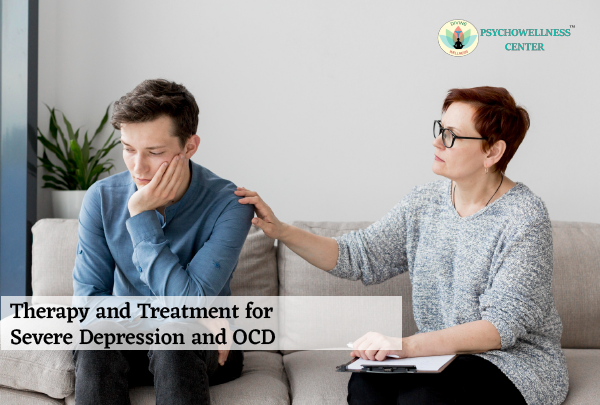
A person’s ability to operate, sustain relationships, and discover significance in daily life may all be adversely affected by severe mental health issues. Because of their persistent and sometimes overlapping symptoms, depression and obsessive-compulsive disorder (OCD) are extremely challenging to treat. People who suffer from these disorders may have severe emotional anguish, intrusive thoughts, and obsessive habits that make it challenging for them to go about their daily activities. Recovery and long-term wellbeing depend on an understanding of the nature of those circumstances and the readily accessible therapeutic options.
Understanding Severe Depression and OCD
A person’s ability to function, establish relationships, and discover significance in daily life may all be adversely affected by severe mental health issues. Because of their persistent and sometimes overlapping symptoms, depression and obsessive-compulsive disorder (OCD) are highly challenging to treat. People who suffer from these disorders may have severe emotional anguish, distracting thoughts, and obsessive habits that make it hard for them to go about their daily activities. Recovery and future health depend on an understanding of the nature of such conditions and the readily accessible therapeutic options.
People who struggle with severe depression and OCD frequently experience similar emotional and behavioural issues:
- Persistent sensations of loneliness and emptiness
- Tremendous concern and elevated stress levels
- Compulsive habits and intrusive, upsetting thoughts
- Decreased motivation and social disengagement
- Feelings of disgrace, resentment, or reliance on others
Maladaptive strategies for coping, like addiction, can also arise in specific situations, which makes recovery more difficult and necessitates meticulously planned treatment planning.
Evidence-Based Therapeutic Approaches
1. Cognitive Behavioural Therapy (CBT)
One of the best treatments for OCD and depression is cognitive behavioural therapy (CBT). It focuses on recognising and restructuring harmful thought and behaviour patterns. The prevention of exposure and response prevention (ERP), a specific type of CBT, is frequently used to treat OCD. ERP gradually lowers anxiety by assisting people in confronting their anxieties without turning to compulsive actions.
2. Medication Management
To treat symptoms, psychiatrists may recommend antidepressants such as Selective Serotonin Reuptake Inhibitors (SSRIs). When used with administration, these drugs can help control mood, minimise compulsive thinking, and enhance overall functioning.
3. Trauma-Informed Therapy
Trauma-focused therapies like Eye Movement Desensitisation and Reprocessing (EMDR) or trauma-informed cognitive behavioural therapy (CBT) can be extremely beneficial for those whose symptoms correlate with PTSD or prior emotional abuse. Instead of only treating outward symptoms, these methods deal with deep emotional scars.
4. Mindfulness and Acceptance-Based Therapies
Acceptance and Commitment Therapy (ACT) and Mindfulness-Based Cognitive Therapy (MBCT) assist individuals living being observant of their thoughts without passing judgment. This is especially helpful for controlling contemplation in depression and intrusive thoughts in OCD.
The Role of Social and Emotional Factors
Mental health issues are not solitary phenomena. Symptoms might be precipitated or aggravated by events like grief and loss, relationship problems, or a difficult divorce. Long-term isolation and a lack of social support may worsen depressive symptoms.
Sometimes people develop harmful patterns of reliance because they become emotionally or mentally dependent on other individuals. For long-term recovery, therapy must address these connection dynamics.
Lifestyle Interventions and Self-Care
Lifestyle modifications can greatly aid in rehabilitation, even when professional therapy is still necessary:
- Creating a regular daily schedule
- Exercise as a stress-reduction strategy
- Using relaxation techniques like meditation or deep breathing
- Creating a network of dependable individuals to help you
- Limiting drug use to avoid addiction
These tactics support therapeutic interventions by building a solid foundation.
When to Seek Professional Help
When symptoms start to affect relationships, everyday functioning, or physical health, it’s critical to get treatment. Among the warning indicators are:
- Sadness or pessimism that last for more than two weeks
- Incapacity to manage compulsive activities or obsessive thoughts
- withdrawal from interpersonal relationships
- Suicidal or self-harming thoughts
Early intervention can enhance outcomes of treatment and prevent symptoms from worsening.
Conclusion
Addressing severe depression and OCD requires more than just symptom management it calls for a compassionate, accessible, and individualised approach to mental health care. With the growing burden of concerns linked to stress, anxiety, and life experiences such as grief and loss or trauma, there is an increasing need for reliable and professional support systems that are both inclusive and easily accessible. Many individuals today actively seek help through searches like Best Psychologists in Delhi, psychologist Delhi NCR, or a trusted counselling psychologist Delhi to find the right support.
In this context, platforms like TalktoAngel, an online counselling platform, and Psychowellness Center play a significant role in delivering quality mental health services. Their use of evidence-based approaches like CBT, DBT, and mindfulness-based therapies ensures personalised and effective care. People also increasingly look for services such as Relationship Counselling near me, or guidance from a qualified marriage counsellor in Delhi or even the best marriage counsellor in Delhi NCR when dealing with interpersonal or family-related concerns.
Psychowellness Center, on the other hand, provides expert offline counselling services through a team of skilled psychologists, addressing a wide range of mental health concerns, including depression, OCD, stress management, and interpersonal problems. Their structured and client-centred approach supports individuals in building emotional resilience, improving coping skills, and enhancing overall well-being.
Together, these platforms make it easier for individuals to seek timely help, access professional guidance, and work toward long-term psychological health. Encouraging help-seeking behaviour and ensuring access to the right support can significantly improve recovery outcomes and promote a healthier, more balanced life.
Contributions: Dr. R.K. Suri, Clinical Psychologist, and Mr. Harshit Vaid, Counselling Psychologist
References
American Psychiatric Association. (2013). Diagnostic and statistical manual of mental disorders (5th ed.). American Psychiatric Publishing.
https://www.psychowellnesscenter.com/Blog/types-of-psychotherapy-for-ocd/
https://www.psychowellnesscenter.com/Blog/ocd-counselling-in-delhi-using-cbt-techniques/
https://www.psychowellnesscenter.com/Blog/best-clinical-psychologist-in-chanakyapuri-delhi/
https://www.psychowellnesscenter.com/Blog/obsessive-compulsive-and-related-disorder-counseling/
https://www.psychowellnesscenter.com/Blog/best-psychologist-in-dwarka-for-anxiety-and-depression/
Beck, A. T. (2011). Cognitive therapy of depression. Guilford Press.
Foa, E. B., Yadin, E., & Lichner, T. K. (2012). Exposure and response (ritual) prevention for obsessive-compulsive disorder. Oxford University Press.