
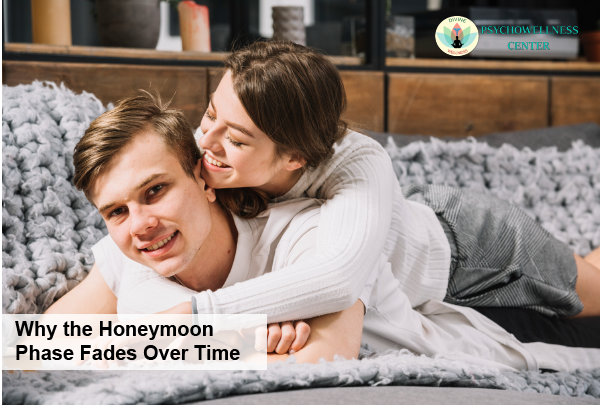
The beginning of a romantic relationship is often described as magical. Couples feel deeply connected, passionate, and excited about each other. This initial stage, commonly known as the “honeymoon phase,” is characterized by intense emotions, constant communication, and an idealized perception of one’s partner. However, as time passes, many couples notice that this intense spark begins to fade. While this shift can feel unsettling, it is a natural and essential part of relationship development.
Understanding why the honeymoon phase fades can help couples build stronger, more sustainable connections and seek support from a couple counseling near me when needed.
What Is the Honeymoon Phase?
The honeymoon phase refers to the early stage of a relationship where everything feels new, exciting, and almost perfect. During this time, couples often overlook flaws, focus on similarities, and experience heightened emotional and physical attraction.
This phase is heavily influenced by brain chemistry. Neurotransmitters such as dopamine, oxytocin, and serotonin create feelings of pleasure, bonding, and happiness. However, these chemical reactions are not designed to last forever, which is one of the primary reasons the honeymoon phase fades.
1. The Role of Brain Chemistry
In the early stages of love, the brain releases high levels of dopamine, often associated with reward and pleasure. This creates the euphoric feeling people experience when they are around their partner.
Over time, the brain begins to stabilize, and these intense chemical surges decrease. This does not mean love is fading; rather, it is transitioning into a more stable and mature form. Consulting a Psychologist near me can help individuals understand these emotional transitions better.
2. Increased Familiarity
As couples spend more time together, they become more familiar with each other’s habits, preferences, and personalities. While familiarity can build comfort and trust, it can also reduce the excitement that comes with novelty.
The mystery and unpredictability that once fueled passion are gradually replaced by routine. This shift is natural but can make the relationship feel less thrilling than before.
3. Emergence of Realistic Expectations
During the honeymoon phase, partners often idealize each other and ignore flaws. As the relationship progresses, individuals begin to see their partner more realistically.
Differences in values, communication styles, or habits may become more noticeable. This can lead to misunderstandings or conflicts, making the relationship feel less perfect than it initially seemed. Seeking guidance from the best relationship counselor in Delhi can help couples navigate these differences effectively.
4. Routine and Responsibilities
As relationships mature, daily responsibilities such as work, family obligations, and financial concerns begin to take priority. Couples may have less time and energy to invest in romantic gestures or quality time together.
This shift toward routine can make the relationship feel predictable and less exciting. However, it also provides an opportunity to build a deeper and more stable connection.
5. Reduced Effort Over Time
In the early stages, couples often put significant effort into impressing each other by planning dates, dressing up, and maintaining constant communication. Over time, this effort may decrease as partners become more comfortable.
While comfort is important, a lack of effort can lead to emotional distance. Reigniting connection often requires intentional actions, which can be explored with a Counseling Doctor Near me.
6. Emotional Security Replaces Intensity
The fading of the honeymoon phase often signals a transition from passionate love to companionate love. While the intensity may decrease, emotional security and trust begin to grow.
This stage is less about excitement and more about stability, mutual respect, and long-term commitment. Although it may feel less thrilling, it forms the foundation of a lasting relationship.
7. Conflict Becomes More Visible
During the honeymoon phase, couples tend to avoid conflict or resolve it quickly. As the relationship progresses, unresolved issues may surface more frequently.
Differences in opinions, expectations, or communication styles can lead to disagreements. Addressing these conflicts constructively is essential for relationship growth. A relationship counselor near me can provide tools to improve communication and conflict resolution.
8. External Stressors
Life stressors such as career challenges, family pressures, or health issues can also impact relationships. These factors may reduce the time and emotional energy couples have for each other.
As a result, the relationship may feel less romantic and more stressful. Learning to manage stress together is key to maintaining a healthy bond.
Seeking Professional Support in Delhi
For couples experiencing challenges as the honeymoon phase fades, professional counseling can be highly beneficial. Services available in Janakpuri and Dwarka Sector 17, Delhi offer accessible support for relationship concerns.
You can connect with experienced professionals by calling 011-47039812 / 7827208707. These services can help couples rebuild emotional intimacy, improve communication, and strengthen their relationship.
If you are specifically looking for guidance, consulting a psychologist in Dwarka can provide personalized strategies tailored to your relationship needs.
How to Sustain Connection Beyond the Honeymoon Phase
Although the honeymoon phase naturally fades, couples can take steps to maintain a strong and fulfilling relationship:
- Prioritize quality time: Regularly spend meaningful time together without distractions.
- Communicate openly: Share thoughts, feelings, and concerns honestly.
- Keep the romance alive: Small gestures, surprises, and appreciation can make a big difference.
- Embrace change: Accept that relationships evolve and require adaptation.
- Seek help when needed: Professional guidance can provide valuable insights and tools.
Conclusion
The fading of the honeymoon phase is not a sign of failure but a natural progression in any relationship. It marks the transition from intense infatuation to a deeper, more stable connection built on trust, understanding, and commitment.
Psychowellness Center provides expert support for couples navigating these transitions, helping them build stronger emotional bonds and healthier communication patterns. TalktoAngel offers convenient online counseling services, making it easier for individuals and couples to access professional help anytime. For assistance, you can contact 011-47039812 / 7827208707 and take a positive step toward nurturing a lasting relationship.
Contributions: Dr. R.K. Suri, Clinical Psychologist, and Ms. Tanu Sangwan, Counselling Psychologist
References
Acevedo, B. P., & Aron, A. (2009). Does a long-term relationship kill romantic love? Review of General Psychology, 13(1), 59–65.
Fisher, H. (2016). Anatomy of love: A natural history of mating, marriage, and why we stray. W. W. Norton & Company.
Gottman, J. M., & Silver, N. (2015). The seven principles for making marriage work. Harmony Books.
Hatfield, E., & Rapson, R. L. (2008). Love and sex: Cross-cultural perspectives. University Press of America.
Sternberg, R. J. (1986). A triangular theory of love. Psychological Review, 93(2), 119–135.
https://www.psychowellnesscenter.com/Blog/ways-to-make-the-honeymoon-phase-last/
https://www.psychowellnesscenter.com/Blog/impact-of-idealization-in-relationships-and-marriages/
https://www.psychowellnesscenter.com/Blog/why-couples-struggle-with-eroticism-and-intimacy/