
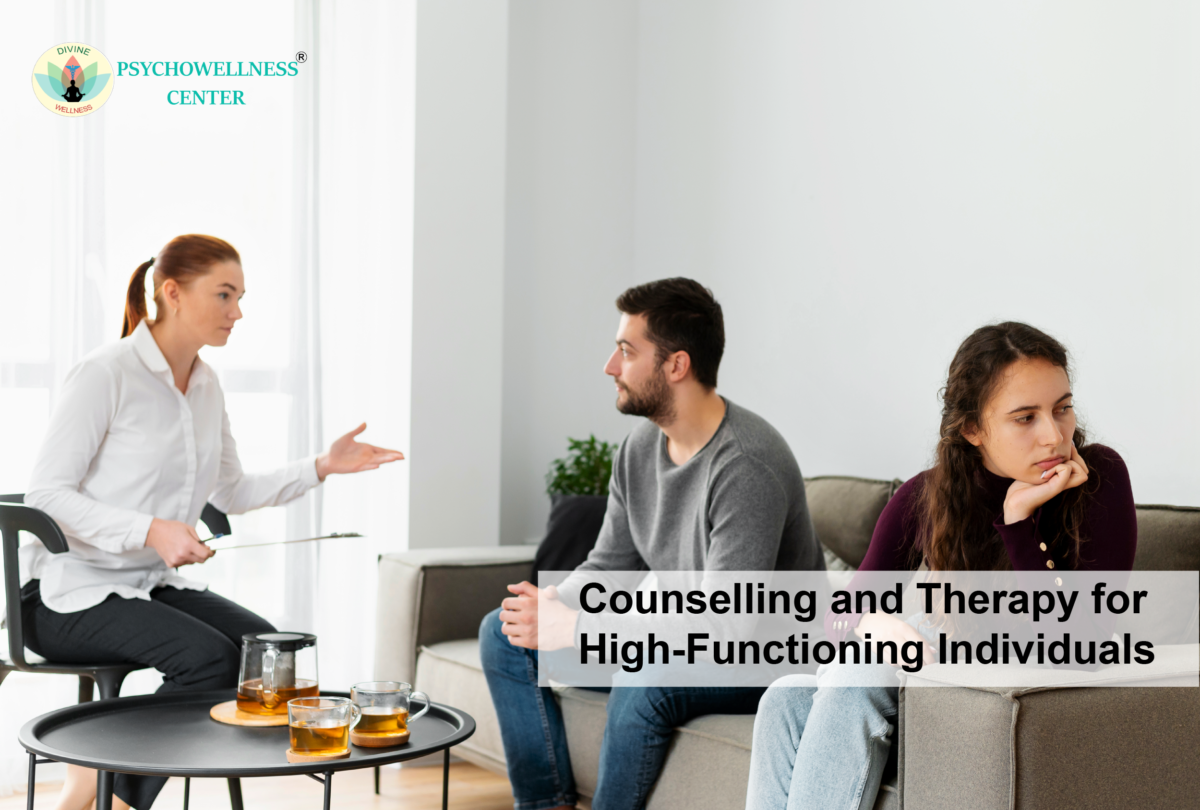
High-functioning individuals are often seen as capable, successful, and in control. They manage careers, relationships, and responsibilities efficiently, appearing resilient on the surface. However, beneath this competence, many silently struggle with emotional fatigue, inner pressure, and unaddressed mental health concerns. Recognising the need for support is not a weakness; it is a crucial step toward sustainable well-being.
Who Are High-Functioning Individuals?
High-functioning individuals are those who perform well in daily life despite experiencing internal distress. They meet deadlines, maintain relationships, and often excel professionally. Yet, they may simultaneously struggle with stress, anxiety, and emotional overwhelm that goes unnoticed by others.
This hidden struggle often leads to delayed help-seeking, increasing the risk of conditions such as depression, Generalised anxiety disorder(GAD), and even panic disorder over time.
Common Challenges Faced
Despite outward success, high-functioning individuals face unique psychological challenges:
1. Constant Pressure to Perform
The need to maintain high standards can result in chronic stress and eventual burnout. Over time, this affects both productivity and emotional health.
2. Difficulty Expressing Emotions
Many individuals suppress feelings to appear strong, leading to poor emotional control and internal conflict.
3. Perfectionism and Overthinking
Persistent self-criticism can lower self-esteem and increase tendencies toward procrastination, despite high capability.
4. Relationship Struggles
Couples disputes, decreased intimacy, or engagement in a toxic relationship can arise from unmet emotional needs. In severe cases, this may lead to divorce.
5. Social and External Pressures
Expectations from society and environment, including peer pressure, can intensify feelings of inadequacy and emotional strain.
Hidden Mental Health Concerns
High-functioning individuals often mask deeper psychological concerns:
- Repetitive thought patterns associated with OCD
- Persistent worry and unease linked to anxiety disorders
- Emotional distress related to grief and loss
- Feelings of isolation and loneliness, despite social engagement
In some cases, unresolved emotional patterns may stem from experiences of emotional abuse or unhealthy dependence in relationships, which continue to impact present functioning.
Why High-Functioning Individuals Avoid Therapy
Several factors contribute to delayed help-seeking:
- conviction that they need to “handle it on their own”
- Fear of appearing weak or incapable
- Lack of awareness about internal distress
- Focus on productivity over emotional health
This avoidance can intensify emotional strain, making it harder to cope effectively in the long run.
How Therapy Helps High-Functioning Individuals
Therapy provides a structured and supportive space to explore underlying concerns without judgment.
1. Enhancing Self-Awareness
Therapy helps individuals understand thought patterns, emotional triggers, and behavioural responses.
2. Strengthening Emotional Regulation
Developing skills for emotional control allows individuals to manage stress and respond effectively to challenges.
3. Improving Life Balance
Therapists often incorporate time management and goal-setting strategies to reduce overwhelm and restore balance.
4. Addressing Relationship Dynamics
Counselling can improve communication, rebuild intimacy, and resolve couple conflicts, fostering healthier relationships.
5. Encouraging Personal Growth
Therapy promotes self-improvement, helping individuals align their actions with personal values and long-term goals.
Practical Strategies Alongside Therapy
While therapy is essential, integrating daily practices enhances recovery:
- Practising mindfulness to stay grounded and reduce mental overload
- Prioritising adequate sleep for emotional and cognitive restoration
- Setting realistic expectations to prevent burnout
- Taking breaks to recharge and maintain productivity
When to Seek Professional Help
If you are functioning well externally but feel internally overwhelmed, it may be time to seek support. Signs include persistent stress, emotional numbness, difficulty maintaining relationships, or a constant sense of dissatisfaction despite achievements.
Seeking counselling in Delhi can help you explore underlying concerns in a safe and structured environment. Working with a qualified Best Relationship counsellor near me can be especially beneficial if emotional strain is affecting your personal connections, leading to challenges such as reduced intimacy or ongoing conflicts. For couples navigating deeper issues, accessing the best marriage counselling in Delhi can provide guidance to rebuild communication, trust, and emotional balance.
Reaching out for professional help allows you to gain clarity, develop coping strategies, and move toward a more balanced and fulfilling life.
Conclusion
High-functioning individuals often carry invisible burdens. While they may appear strong and capable, unaddressed emotional challenges can impact their well-being over time. Therapy offers a safe space to explore these hidden struggles, develop healthier coping strategies, and create a more balanced and fulfilling life.
With skilled psychologists that specialize in stress, anxiety, relationship difficulties, and emotional well-being, Psychowellness Center offers expert offline counseling services. Their personalised approach ensures that individuals receive the care they need to navigate both personal and professional pressures effectively. Additionally, TalktoAngel, an online counselling platform, offers accessible and confidential therapy sessions, connecting individuals with some of the best psychologists in India. Their services include individual counselling, couple therapy, and mental health support using evidence-based approaches such as CBT, DBT, and mindfulness-based interventions.
Contributions: Dr. R.K. Suri, Clinical Psychologist, and Mr. Harshit, Counselling Psychologist
References
https://www.psychowellnesscenter.com/best-clinical-psychologist-near-me/delhi-ncr/
https://www.psychowellnesscenter.com/Blog/best-counselling-psychologist-in-mehrauli-new-delhi/
American Psychological Association. (2020). Publication manual of the American Psychological Association (7th ed.).
Beck, A. T. (2011). Cognitive therapy of depression. Guilford Press.
Maslach, C., & Leiter, M. P. (2016). Understanding the burnout experience: Recent research and its implications. World Psychiatry, 15(2), 103–111.
Hofmann, S. G., Sawyer, A. T., Witt, A. A., & Oh, D. (2010). The effect of mindfulness-based therapy on anxiety and depression: A meta-analytic review. Journal of Consulting and Clinical Psychology, 78(2), 169–183.
Lazarus, R. S., & Folkman, S. (1984). Stress, appraisal, and coping. Springer.