
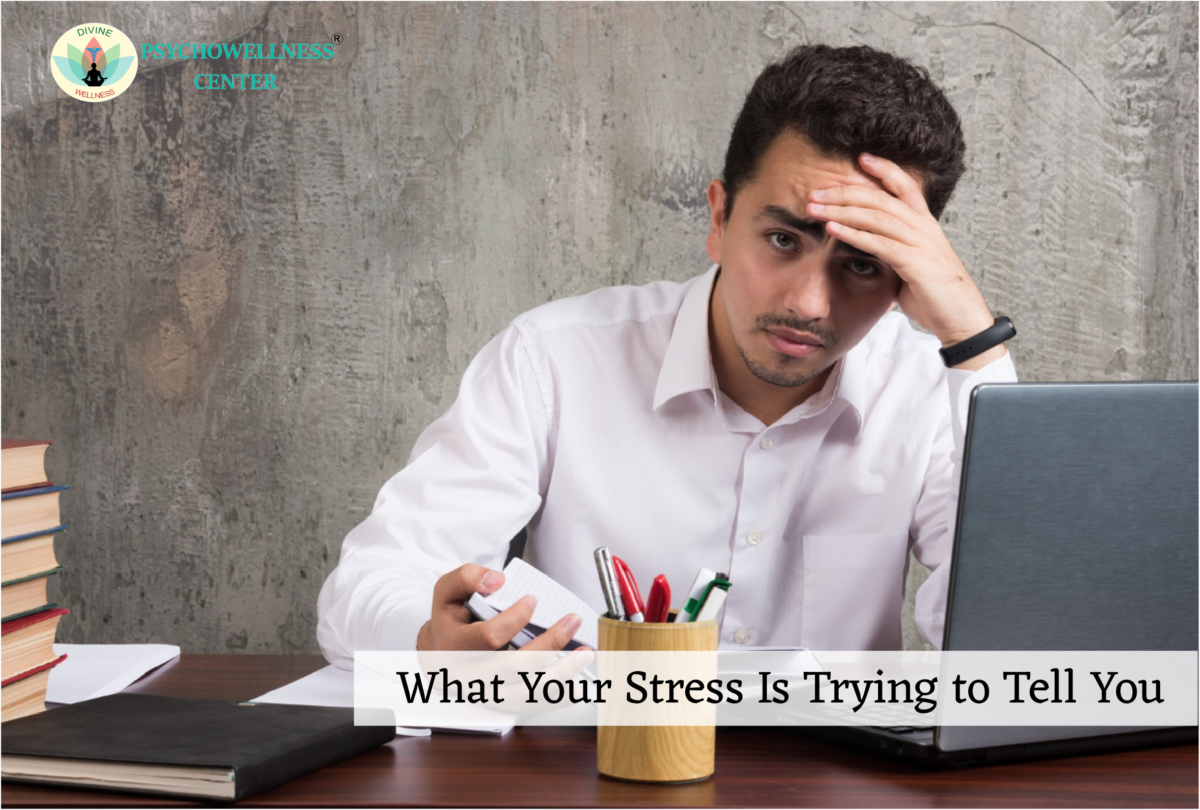
Stress is often viewed as something negative, an experience to avoid or eliminate. However, stress is not always harmful. In many ways, it acts as an internal signal, alerting you to imbalances, unmet needs, or unresolved emotions. Instead of ignoring it, understanding what your stress is trying to communicate can lead to meaningful change and improved well-being.
Understanding the Purpose of Stress
At its core, stress is the body’s response to perceived challenges or threats. While short-term stress can motivate action, chronic stress can impact both mental and physical health. When left unaddressed, it may contribute to conditions such as anxiety, depression, and even disorders like Generalised Anxiety Disorder(GAD). Rather than seeing stress as the enemy, it can be helpful to view it as information, a message pointing toward areas of your life that require attention.
Signs Your Stress Is Trying to Speak
Stress often communicates through subtle emotional and physical cues. Recognizing these signals can help you understand what needs to change.
- Constant Fatigue Despite Rest:- If you feel drained even after adequate sleep, it may indicate emotional overload rather than physical tiredness.
- Irritability and Emotional Reactivity:– Frequent outbursts of anger or frustration may suggest suppressed emotions or unmet needs.
- Persistent Worry and Overthinking:- Ongoing worry patterns can reflect deeper concerns, sometimes linked to panic disorder or chronic anxiety states.
- Withdrawal and Isolation:– Experiencing loneliness or distancing yourself from others may signal emotional exhaustion or unresolved distress.
- Difficulty Concentrating:- Struggling with focus and increased procrastination can indicate cognitive overload and mental fatigue.
What Could Your Stress Be Telling You?
Stress is rarely random. It often points toward specific areas of imbalance:
- You Need Better Boundaries:- If you feel overwhelmed, it may be a sign that you are overcommitting or struggling to say no.
- Your Emotional Needs Are Unmet:– Stress can arise when feelings are ignored or invalidated. Issues such as emotional abuse or unhealthy dependence in relationships can amplify this.
- You Are Carrying Unresolved Pain:– Experiences related to grief and loss can remain unprocessed, resurfacing as chronic stress.
- You Are Out of Alignment:- Periods like a midlife crisis often bring stress because of a disconnect between personal values and current life circumstances.
- You Need Structure and Direction:- A lack of clarity can lead to overwhelm. Incorporating goal setting and improving time management can provide stability and reduce stress.
The Psychological Impact of Ignored Stress
When stress signals are ignored, they can intensify and evolve into more serious concerns. Chronic stress may contribute to conditions such as OCD, persistent anxiety patterns, and reduced self-esteem. Over time, individuals may find it difficult to regulate emotions, leading to challenges in maintaining emotion control. This is why early awareness and intervention are essential, not only for mental health but for overall quality of life.
Healthy Ways to Respond to Stress Signals
Understanding stress is only the first step. Responding effectively is what brings change.
- Practice Present Awareness:- Engaging in mindfulness helps you identify stress triggers and respond calmly rather than react impulsively.
- Re-evaluate Priorities:- Focus on self improvement by aligning your actions with your values and long-term goals.
- Strengthen Emotional Regulation:- Developing emotional control skills can help manage overwhelming feelings and improve resilience.
- Build Support Systems:- Talking to trusted individuals or professionals can reduce feelings of isolation and provide clarity.
- Create Balance:- Ensure a healthy mix of work, rest, and recreation to maintain emotional stability.
When Stress Becomes a Warning Sign
Sometimes, stress goes beyond daily pressures and becomes a signal for professional help. If you notice persistent distress, sleep disturbances, or emotional instability, it may be time to consult a counselling psychologist in Delhi.
Services such as Relationship Counselling near me, Family Counseling near me, or guidance from a marriage counselor in Delhi can be beneficial when stress is rooted in interpersonal challenges. Seeking support from the Best Psychologists in Delhi or a qualified psychologist delhi ncr ensures a structured and effective approach to managing stress. Couples experiencing strain may also consider consulting the best marriage counsellor in Delhi NCR.
Conclusion
Stress is not just a reaction, it is a message. Learning to interpret what your stress is trying to tell you can transform the way you approach challenges in life. Whether it is a need for rest, emotional healing, or lifestyle changes, stress often highlights areas that require care and attention.
Professional support plays a crucial role in this journey. Psychowellness Center provides expert offline counselling services, offering personalized interventions for stress, anxiety, emotional concerns, and relationship issues. Their team of experienced psychologists focuses on evidence-based approaches to help individuals regain balance and emotional well-being. Additionally, TalktoAngel, an online counselling platform, connects individuals with some of the best psychologists in India, offering convenient and confidential support. Their services include individual therapy, couple counselling, and mental health programs using approaches such as CBT, DBT, and mindfulness-based interventions.
Addressing stress is not about eliminating it entirely, it is about understanding it, learning from it, and using it as a guide toward a healthier and more fulfilling life.
Contributions: Dr. R.K. Suri, Clinical Psychologist, and Mr. Harshit, Counselling Psychologist
References
- American Psychological Association. (2020). Publication manual of the American Psychological Association (7th ed.).
- Hofmann, S. G., Sawyer, A. T., Witt, A. A., & Oh, D. (2010). The effect of mindfulness-based therapy on anxiety and depression: A meta-analytic review. Journal of Consulting and Clinical Psychology, 78(2), 169–183.
- Beck, A. T. (2011). Cognitive therapy of depression. Guilford Press.