
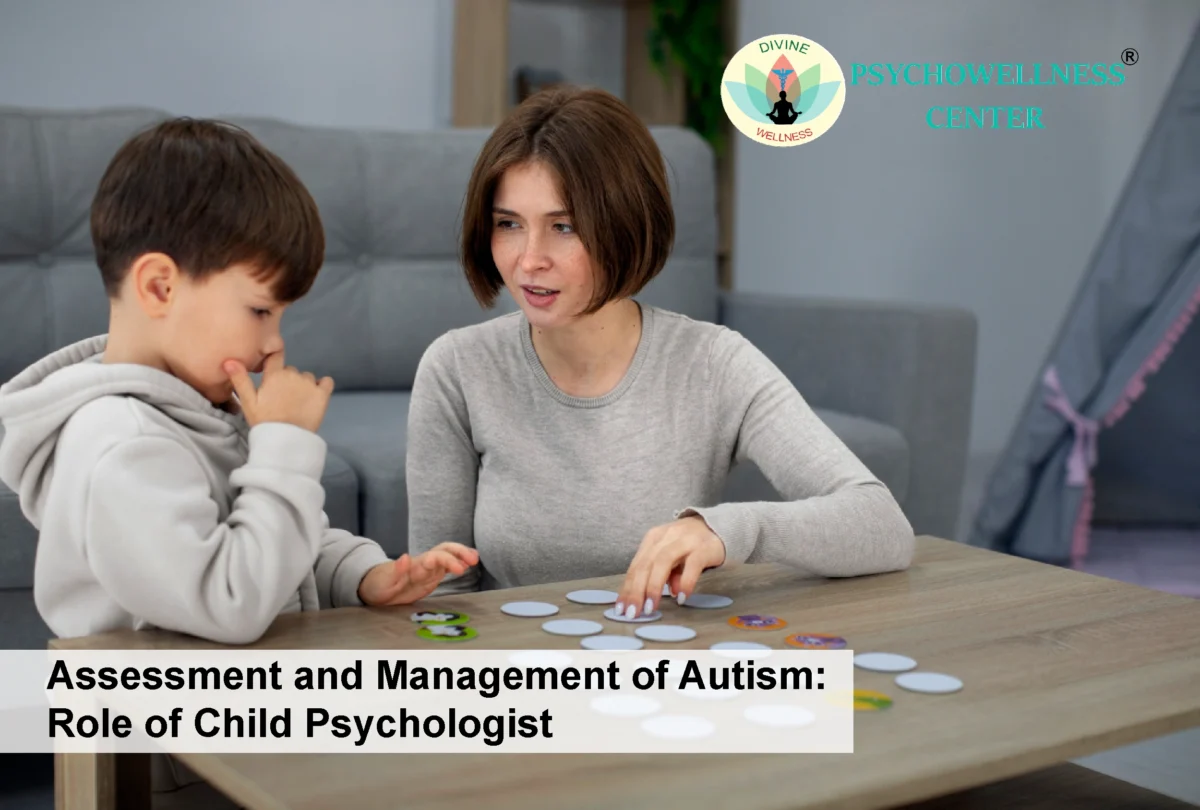
Every child grows and develops at their own pace, but when delays in communication, social interaction, or behaviour become noticeable, early evaluation becomes essential. Children can benefit from appropriate therapies that improve learning, communication, and independence when developmental issues are promptly identified. Among the professionals involved in this process, a child psychologist plays a crucial role in assessing developmental needs, guiding families, and creating individualized intervention plans. Through comprehensive assessments and evidence-based therapies, psychologists help children reach their fullest potential while supporting parents throughout their journey.
Understanding Autism Spectrum Disorder
Autism Spectrum Disorder (ASD) is a neurodevelopmental condition characterized by differences in social interaction, communication disorders, restricted interests, repetitive behaviours, and sensory processing. The presentation varies significantly from one child to another, which is why it is referred to as a “spectrum.” Children with autism may experience difficulties in maintaining eye contact, understanding social cues, expressing emotions appropriately, adapting to routine changes, or engaging in imaginative play. These challenges can sometimes contribute to loneliness, difficulties in building friendship, and maintaining healthy relationships. While some children have average or above-average intelligence, others may require additional educational and therapeutic support.
Importance of Early Assessment
Professionals can identify developmental concerns early, before they begin to significantly affect a child’s social, emotional, behavioural, and academic functioning. Comprehensive psychological evaluations assess various developmental domains, including language, cognition, adaptive behaviour, emotional functioning, and social communication. Standardised developmental evaluations help identify a child’s strengths, areas requiring support, and appropriate intervention strategies. Early assessment also helps recognise concerns such as stress, anxiety, depression, low motivation, reduced self-esteem, and difficulties with emotion control, enabling families to access specialised educational resources and therapy services at the earliest stage.
The Role of a Child Psychologist
A child psychologist is often one of the first professionals families consult when developmental concerns arise. Their role extends beyond diagnosis and includes ongoing intervention, parent guidance, school collaboration, and monitoring developmental progress. Psychologists conduct detailed clinical interviews, behavioural observations, developmental testing, and parent assessments to understand each child’s unique profile. They also differentiate autism from other developmental or emotional conditions that may present with similar symptoms. In addition, psychologists educate families about realistic expectations and provide strategies to improve assertiveness, strengthen communication, enhance self-esteem, and encourage mindfulness practices where appropriate to support emotional well-being.
Assessment Methods Used
Autism assessments involve multiple sources of information rather than relying on a single test. A comprehensive evaluation generally includes:
- Developmental history
- Parent interviews
- Behavioural observations
- Standardised psychological assessments
- Communication and language evaluation
- Cognitive assessment
- Adaptive behaviour assessment
- School reports and teacher feedback
This multidisciplinary approach ensures accurate diagnosis and individualised intervention planning.
Behavioural and Emotional Challenges
Many children on the autism spectrum experience emotional and behavioural difficulties alongside communication challenges. They may become overwhelmed by sensory stimuli, struggle with transitions, or have difficulty expressing frustration. Some children display episodes of anger because they cannot effectively communicate their needs or cope with unexpected changes. Others may experience interpersonal problems, making it difficult to develop meaningful friendships, maintain positive relationships, interpret facial expressions, or understand social rules. Early psychological intervention helps children strengthen emotion control, improve social communication, reduce stress and anxiety, and develop healthier emotional and interpersonal functioning.
Evidence-Based Management Approaches
Managing autism requires an individualized treatment plan based on each child’s developmental profile and family needs. No single intervention works for every child, making collaborative care essential.
One of the most widely recommended interventions is behavioural therapy, which focuses on improving communication, adaptive skills, emotional regulation, and positive behaviours through structured learning techniques. Behavioural interventions help children develop functional skills that support independence across home, school, and community settings.
Occupational therapy is another crucial element, especially for kids who struggle with fine motor skills, sensory processing issues, or everyday living activities. Occupational therapists work on improving self-care skills, handwriting, motor coordination, sensory integration, and participation in everyday routines.
Speech therapy, social skills training, parent training, and educational support are often incorporated into a comprehensive intervention plan.
Family Involvement in Treatment
In the intervention process, parents are crucial collaborators. Consistent routines, positive reinforcement, structured communication, and supportive home environments contribute significantly to a child’s progress. Child psychologists guide families on effective behavioural management strategies, communication techniques, and methods to encourage independence. In addition to lowering caregiver stress, parent counselling boosts self-assurance in handling day-to-day difficulties. Collaboration among parents, teachers, therapists, and healthcare professionals ensures continuity of care and consistent implementation of intervention strategies across different environments.
Supporting Child and Adolescent Development
As children grow, their developmental needs evolve. The transition into adolescence often brings new emotional, social, and academic challenges. Age-appropriate interventions, ongoing observation, and preparation for growing independence are all necessary for supporting the child and teenage years. Child counsellors help adolescents develop self-awareness, emotional resilience, social competence, vocational readiness, and adaptive life skills that prepare them for adulthood.
Choosing the Right Autism Services
When seeking professional support, families should look for multidisciplinary centres that provide comprehensive assessments and individualised treatment plans. Qualified psychologists, occupational therapists, speech therapists, and special educators work together to address each child’s unique strengths and challenges.
Many parents search online using terms such as Autism Center near me, autism therapy near me, or best Child counseling in Janakpuri when looking for specialised services. While online searches provide several options, selecting experienced professionals who use evidence-based assessment and intervention methods is essential for achieving positive long-term outcomes.
Conclusion
Early assessment and timely intervention can significantly improve the developmental outcomes of children with autism. A child psychologist plays a central role in identifying strengths and challenges, coordinating comprehensive evaluations, guiding families, and implementing evidence-based interventions tailored to each child’s needs.
To better understand and manage the developmental, communication, behavioural, and social challenges associated with autism, families can seek professional support at Psychowellness Center. Services are available in person at Dwarka and Janakpuri, New Delhi (Contact: 011-47039812 / 7827208707). With the guidance of experienced mental health professionals, children and their families can receive comprehensive psychological assessments, individualized intervention plans, evidence-based therapies, parent guidance, behavioural management strategies, social and communication skills training, emotional regulation support, and multidisciplinary care that promotes independence, enhances learning and academic functioning, strengthens family relationships, and supports healthy long-term developmental outcomes.
Children with autism benefit from individualized assessment and therapeutic interventions that recognize their unique strengths and challenges. A child psychologist may incorporate the belief that each child’s life holds immense worth while using the significant role of therapeutic play-based interventions to enhance communication, emotional expression, social interaction, and overall developmental progress.
Contributions: Dr. R.K. Suri, Clinical Psychologist, and Ms. Mahima Mathur , Counselling Psychologist
References
- Estes, A., Munson, J., Rogers, S. J., Greenson, J., Winter, J., & Dawson, G. (2015). Long-term outcomes of early intervention in 6-year-old children with autism spectrum disorder. Journal of the American Academy of Child & Adolescent Psychiatry, 54(7), 580–587. https://doi.org/10.1016/j.jaac.2015.04.005
- Lord, C., Elsabbagh, M., Baird, G., & Veenstra-VanderWeele, J. (2018). Autism spectrum disorder. The Lancet, 392(10146), 508–520. https://doi.org/10.1016/S0140-6736(18)31129-2
- Ozonoff, S., Goodlin-Jones, B. L., & Solomon, M. (2005). Evidence-based assessment of autism spectrum disorders in children and adolescents. Journal of Clinical Child and Adolescent Psychology, 34(3), 523–540. https://doi.org/10.1207/s15374424jccp3403_8