
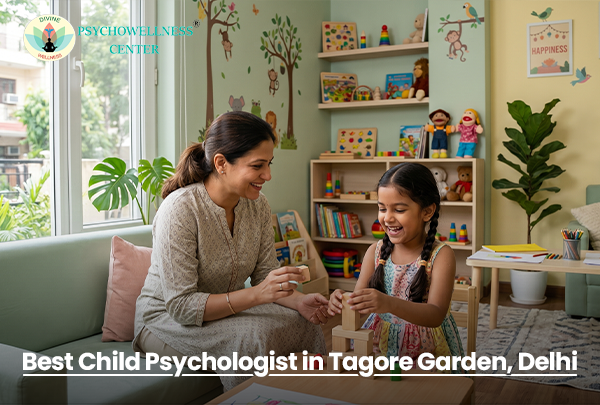
Children experience many changes as they grow, from adjusting to school and friendships to managing emotions, academic expectations, and family relationships. At times, these challenges may affect a child’s behaviour, confidence, learning, or overall well-being. Parents in West Delhi looking for a child psychologist near me may therefore want professional guidance that considers the child’s developmental stage, environment, and individual needs. A qualified child mental health professional can help identify concerns early and create an age-appropriate plan involving the child, parents, and, when appropriate, the school.
When Should Parents Consult a Child Psychologist?
Not every emotional or behavioural change indicates a mental health condition. Children can naturally experience mood changes, fears, frustration, academic setbacks, and conflicts with friends. However, professional guidance may be useful when concerns persist, become intense, or begin affecting everyday functioning at home, school, or with peers.
Parents may consider an assessment when a child shows:
- Persistent sadness, worry, irritability, or frequent emotional outbursts
- Major changes in sleep, appetite, or behaviour
- Withdrawal from family members or friends
- A sudden decline in school performance
- Difficulty concentrating or completing age-appropriate tasks
- Repeated conflicts with teachers, parents, or peers
- Low confidence or avoidance of activities
- Difficulty adjusting to major family or school changes
Early support can help prevent concerns from becoming more disruptive and may support healthier functioning at home, in school, and in friendships.
What Can a Child Psychologist Help With?
A child counsellor can provide a safe, age-appropriate space where children can express thoughts and feelings that they may find difficult to communicate at home. Depending on the child’s age and concerns, psychological support may involve conversation, play-based activities, behavioural strategies, emotional skills training, parent guidance, or structured therapeutic approaches.
Common areas of support include:
- Academic and Learning Concerns
Some children struggle with reading, writing, attention, memory, organisation, or classroom participation. Learning difficulties in academics should not automatically be interpreted as laziness or lack of effort. A comprehensive assessment can help explore whether learning, attention, emotional, behavioural, or environmental factors may be contributing to academic difficulties. Research also highlights the relationship between learning difficulties and emotional well-being, making early identification particularly valuable.
2. Emotional and Behavioural Concerns
Children may find it difficult to understand or communicate what they are experiencing. A psychologist can help them identify emotions, understand triggers, develop coping strategies, and practise healthier responses. The development of emotional regulation is gradual and is influenced by children’s temperament, environment, relationships, and developmental skills. Parents and caregivers play an important role in supporting this process.
3. Social and Peer-Related Challenges
Growing children are strongly influenced by their social environments. Influence from social circles can affect behaviour, confidence, decision-making, and emotional well-being. Friendships can be especially important during childhood and adolescence. Helping children develop healthy communication and relationship skills can support their ability to navigate disagreements, exclusion, peer pressure, and changing friendships.
How Can Parents Support Children’s Mental Well-Being?
Professional support works best when children also receive consistent support from the adults around them. Parents do not need to have all the answers; listening without immediately judging or correcting can make it easier for children to talk openly.
Parents can:
- Listen actively: Give the child time to explain what they are experiencing.
- Validate feelings: Acknowledge emotions without automatically agreeing with every behaviour.
- Maintain routines: Regular sleep, meals, school schedules, and recreation can provide stability.
- Encourage healthy friendships: Support positive social interactions and discuss peer-related concerns.
- Avoid comparisons: Comparing children with siblings, classmates, or friends can affect confidence.
- Work with professionals: Share relevant observations with the psychologist and follow agreed strategies consistently.
Strong Bonds with close companions can also contribute to a child’s sense of belonging and social development. Supportive relationships with parents, teachers, and peers can create an environment in which children feel understood and encouraged.
How Does Therapy Support a Child’s Development?
Therapy for children is not simply about discussing problems. It can help children develop practical skills that are useful at school, at home, and in social situations. Depending on individual needs, psychological support may focus on:
- Improving communication
- Building confidence and self-awareness
- Developing problem-solving skills
- Managing behavioural concerns
- Coping with school-related pressure
- Strengthening parent-child communication
- Building healthier social skills
The approach should be adapted to the child’s age, developmental level, personality, and concerns. Professional treatment plans may also involve parents or caregivers, particularly when changes at home can support the child’s progress.
Trusted Child Counsellors Across Delhi NCR
Here are ten experienced professionals, drawn from established Delhi NCR practices, known for their work with children and adolescents:
- Dr. R.K. Suri – Founder and Clinical Psychologist with 42+ years of experience handling complex childhood behavioural and developmental concerns.
- Mrs. Kala Sengupta – Clinical Psychologist with 35+ years of experience, skilled in medical and social psychology assessments for children.
- Dr. Kamal Agarwal – Child and Occupational Therapist with 15+ years of experience, specialising in developmental delays and sensory difficulties.
- Ms. Tanu Sangwan – Counselling Psychologist working with school-related stress and emotional adjustment in children.
- Ms. Sakshi Dhankhar – Counselling Psychologist with expertise in rehabilitation psychology and behaviour management.
- Ms. Siva Tharini – Counselling Psychologist experienced in guiding children and parents through emotional and behavioural concerns.
- Mrs. Molly George – With over 30 years of experience, Mrs Molly George supports individuals with psychiatric concerns, emotional difficulties, and learning challenges through empathetic, evidence-based care.
- Ms. Nicole Fernandes – Ms Nicole Fernandes is a Counselling Psychologist supporting concerns such as workplace stress, relationships, depression, self-esteem, and life transitions using CBT, ACT, DBT, and mindfulness-based approaches.
- Ms. Swati Yadav – With a Master’s in Counselling Psychology, she supports children, adolescents, adults, and older adults with emotional, academic, behavioural, and relationship concerns. She specialises in child development, parenting, ADHD, autism, learning challenges, and positive psychology.
- Dr. Sakshi Kochhar – Dr. Sakshi Kochhar is a psychologist with over 12 years of experience working with adolescents and young adults. She specialises in psychotherapy and CBT, supporting concerns such as anxiety, stress, depression, anger, and relationship challenges.
Why Choose Professional Child Psychology Support in Delhi?
Families searching for a child psychologist in delhi may find different professionals offering assessment, counselling, and psychological services. The most appropriate choice depends on the child’s concerns, the professional’s qualifications and experience, the treatment approach, and the family’s comfort with the process.
For families in and around Tagore Garden, West Delhi, accessibility can also matter. Regular appointments may be easier to maintain when the service is reasonably convenient and the child feels comfortable with the professional.
Psychowellness Center provides psychological counselling and support for children, adolescents, parents, and families. For families who prefer remote sessions, TalktoAngel provides online counselling through TalktoAngel, allowing children and parents to access professional support from a familiar setting when appropriate.
How Can Parents Help Children Build Long-Term Skills?
Child psychology support should not focus only on immediate concerns. It can also help children develop skills that support healthy functioning as they grow.
These may include:
- Handling daily pressures in healthier ways
- Improving communication and social confidence
- Understanding personal strengths and areas for growth
- Developing problem-solving skills
- Building healthy routines
- Personal growth and development through age-appropriate self-awareness
- Planning meaningful future targets rather than focusing only on short-term academic performance
The objective is not to expect children to handle every difficulty independently. Instead, professional support can help children gradually develop skills while ensuring that parents and caregivers know how to provide appropriate support.
Frequently Asked Questions
- When should I take my child to a psychologist?
Consider professional guidance when emotional, behavioural, social, or academic concerns persist and interfere with daily life, school, family relationships, or friendships. Early assessment can help identify the underlying concern and appropriate support.
2. Can a child psychologist help with academic problems?
Yes. A psychologist can explore factors related to learning, attention, emotional well-being, behaviour, and the child’s environment. When necessary, assessment can help determine whether additional educational or specialised support may be useful.
3m. Does child therapy involve parents?
Often, yes. Depending on the child’s age and concerns, parents may participate in consultations, receive guidance, or learn strategies to support the child’s progress at home. Family involvement can be an important part of effective support.
4. Is online counselling suitable for children?
Online counselling may be appropriate in some situations, depending on the child’s age, concerns, comfort with the format, and professional assessment. Parents can discuss whether online sessions are suitable with a qualified mental health professional.
5. How do I choose the right child psychologist?
Consider the professional’s relevant qualifications, experience with children, approach to assessment and therapy, communication style, and whether the child feels comfortable and understood. A suitable professional should also involve parents appropriately while respecting the child’s developmental needs.
Conclusion
Children do not always have the words to explain what they are going through. Changes in behaviour, learning, emotions, or relationships can signal that a child needs additional understanding and support rather than criticism. Seeking professional guidance can help parents understand these concerns and identify practical ways to support their child’s well-being. For families in Tagore Garden and surrounding areas, Psychowellness Center can provide psychological support, while TalktoAngel offers online counselling options. Taking the first step early can help children build emotional, social, and coping skills that support their development over time.
Contributed by: Dr. R.K. Suri, Clinical Psychologist, and Ms. Mahima, Counselling Psychologist
References
- American Psychological Association. (2023, January 11). How to help kids understand and manage their emotions. American Psychological Association
- American Psychological Association. (2023, January 17). How to help kids navigate friendships and peer relationships. American Psychological Association
- American Psychological Association. (n.d.). Children. American Psychological Association
- Centers for Disease Control and Prevention. (2026, May 15). About children’s mental health. Centers for Disease Control and Prevention