
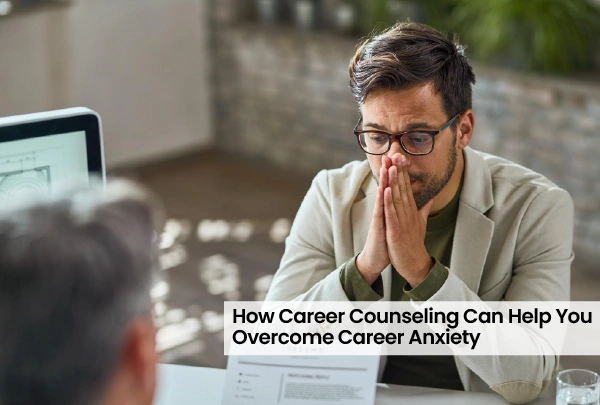
Choosing a career is one of the most significant decisions an individual makes, yet it is also one of the most challenging. Students, fresh graduates, working professionals, and even experienced employees often experience uncertainty about career choices, job satisfaction, professional growth, or career transitions. Rapid technological advancements, changing job markets, economic uncertainty, and increasing competition have made career planning more complex than ever before.
Career anxiety can affect decision-making, confidence, productivity, and overall well-being. Individuals may constantly question whether they are pursuing the right career path, worry about meeting expectations, or fear making irreversible mistakes. Career counselling provides structured guidance that helps individuals understand their strengths, interests, values, and goals while reducing uncertainty and promoting informed career decisions. By combining psychological support with career planning strategies, career counselling enables individuals to build confidence and navigate professional challenges more effectively.
Understanding Career Anxiety
Career-related uncertainty can affect individuals at any stage of life. Students may struggle to choose suitable academic pathways, graduates may worry about securing employment, while professionals may question whether to change careers or pursue further education.
Persistent stress often develops when individuals feel overwhelmed by career expectations, financial responsibilities, or uncertainty about future opportunities. Continuous pressure to succeed may interfere with concentration, productivity, and emotional well-being.
Many individuals also experience anxiety while making important career decisions. Fear of failure, rejection, unemployment, or disappointing family expectations can make even simple decisions feel overwhelming.
When career-related challenges continue for extended periods, some individuals may develop symptoms of depression, including hopelessness, reduced interest in work, fatigue, and difficulty finding satisfaction in daily activities.
For individuals living with generalised anxiety disorder (GAD), career uncertainty may intensify existing patterns of excessive worry, making it difficult to evaluate options objectively or make confident decisions.
Common Causes of Career Uncertainty
Career anxiety rarely results from a single factor. Instead, it usually develops through a combination of personal, social, educational, and environmental influences.
Among the most frequent contributing factors are:
- uncertainty about career interests
- fear of making incorrect decisions
- academic pressure
- financial concerns
- parental expectations
- workplace competition
- changing job markets
- lack of confidence
- previous career disappointments
- unclear professional goals
These factors often interact, making career decisions increasingly difficult without appropriate guidance.
Emotional Impact of Career Challenges
Career-related concerns frequently extend beyond professional life and affect emotional health.
Many individuals experience loneliness when they compare themselves with peers who appear more successful or certain about their careers. Social comparison may create unnecessary self-doubt while reducing confidence in personal abilities.
Developing realistic goal-setting strategies helps individuals break large career decisions into manageable steps. Rather than focusing solely on long-term outcomes, career counselling encourages achievable short-term objectives that gradually build confidence.
Repeated disappointments may also lead to anger, particularly when individuals feel that their efforts have not been fairly recognised or rewarded. Understanding these emotional reactions helps prevent frustration from interfering with future opportunities.
Periods of low motivation commonly occur after unsuccessful interviews, academic setbacks, or prolonged job searches. Career counseling assists people in regaining perspective and creating workable plans of action that promote ongoing advancement.
Building Confidence Through Professional Guidance
One of the main goals of career counseling is to assist people better understand themselves before making significant career decisions. This helps people recover perspective while creating workable action plans.
Developing healthy assertiveness enables individuals to communicate career preferences confidently, negotiate workplace responsibilities, participate effectively in interviews, and advocate for professional development opportunities.
Career counselling also strengthens emotional control, allowing individuals to manage disappointment, uncertainty, and workplace challenges more constructively. Learning emotional regulation techniques improves resilience during periods of transition and career change.
Rather than allowing temporary setbacks to define future success, counsellors help individuals identify personal strengths, transferable skills, and realistic opportunities for growth.
Mindful Career Decision-Making
Career decisions are often influenced by fear, external expectations, or pressure to achieve immediate success. Practising mindfulness encourages individuals to make thoughtful decisions based on personal values rather than emotional reactions or social comparison.
Mindfulness techniques improve self-awareness, concentration, and emotional balance while reducing impulsive decision-making. Individuals become better able to evaluate career options objectively and respond calmly to uncertainty.
Career counselling frequently incorporates mindfulness exercises alongside reflective activities, helping clients recognise their interests, strengths, and long-term aspirations with greater clarity.
Overcoming Internal Barriers
Many career challenges originate not from external circumstances but from internal beliefs and behavioural patterns.
A strong desire for self-improvement encourages individuals to view career development as an ongoing process rather than a single life decision. Counsellors help clients identify opportunities for continuous learning, skill development, and personal growth.
Some individuals repeatedly delay important career decisions due to procrastination. Fear of failure, perfectionism, or uncertainty often contributes to avoidance behaviours that increase stress and reduce opportunities. Career counselling helps individuals develop structured action plans that encourage consistent progress rather than postponing important decisions.
As clients begin implementing achievable goals, they gradually develop greater confidence in their ability to manage career challenges while adapting to changing professional environments.
Developing Long-Term Career Confidence
Career counselling is not simply about selecting a profession; it is about developing the psychological skills needed to manage future career transitions with confidence. Today’s professional landscape is constantly evolving, making adaptability an essential component of long-term success.
One of the most valuable outcomes of counselling is the development of resilience. Individuals learn to view setbacks such as job rejections, career changes, or workplace challenges as opportunities for growth rather than personal failures. Building resilience enables people to recover more quickly from disappointments while remaining focused on long-term career goals.
Career counselling also helps strengthen self-esteem by encouraging individuals to recognise their strengths, achievements, interests, and unique abilities. Instead of comparing themselves with others, clients learn to evaluate success based on personal values and realistic expectations. Increased self-esteem enhances confidence during interviews, workplace interactions, and career transitions.
Another important skill developed during counselling is time management. Many individuals experiencing career anxiety feel overwhelmed by multiple responsibilities, competitive examinations, academic deadlines, job applications, or workplace demands. Counsellors help clients prioritise tasks, create structured schedules, set achievable deadlines, and balance professional responsibilities with personal well-being. Effective time management reduces stress while increasing productivity and confidence.
Practical Strategies Used in Career Counselling
Career counselling combines psychological support with practical career-planning techniques. Depending on an individual’s needs, sessions may include:
- Career interest and aptitude assessments
- Identification of strengths and transferable skills
- Clarification of personal values and career preferences
- Decision-making and problem-solving strategies
- Career exploration and planning
- Resume and interview preparation
- Confidence-building exercises
- Stress management techniques
- Action planning and progress monitoring
- Development of realistic short-term and long-term career goals
These interventions help individuals make informed career decisions while reducing emotional distress associated with uncertainty.
When Should You Seek Career Counselling?
Many people don’t seek expert help until they are totally overwhelmed. However, career counselling is beneficial at every stage of professional development.
Professional guidance may be helpful if you:
- Feel uncertain about your career direction.
- Experience persistent anxiety regarding career decisions.
- Frequently change career goals without clarity.
- Feel overwhelmed by academic or workplace expectations.
- Struggle with confidence during interviews or promotions.
- Experience repeated career setbacks that affect emotional well-being.
- Wish to change careers but are unsure where to begin.
- Want to improve career planning and long-term professional growth.
Individuals searching for the Best Psychologists in Delhi, seeking psychological counselling in Delhi, or looking for professional services can benefit from personalised guidance that integrates career planning with psychological well-being. Professional best counselors near me help individuals identify strengths, overcome emotional barriers, and make confident career decisions aligned with their values and aspirations.
Conclusion
Career anxiety is a common experience that can affect students, graduates, and working professionals alike. While uncertainty about the future is natural, prolonged anxiety should not prevent individuals from pursuing meaningful opportunities. Career counselling provides structured guidance, psychological support, and practical strategies that help individuals understand their strengths, make informed decisions, and develop confidence throughout their professional journey. With greater self-awareness, emotional resilience, and realistic planning, individuals can transform career uncertainty into opportunities for long-term growth and success.
Psychowellness Center, which provides extensive mental health services, and TalktoAngel, an online counseling portal, both provide professional psychological support. Janakpuri, Delhi, and Dwarka Sector 17, Delhi, offer comprehensive psychological therapies. People can call 011-47039812 or 7827208707 for appointments or more information. Seeking professional support early can help individuals overcome career anxiety, strengthen emotional resilience, make informed career decisions, and encourage healthier patterns of thinking, behaviour, and overall well-being.
You can learn more about self-improvement and mindfulness and explore more educational videos on the Psychowellness Center YouTube Channel.
Contributions: Dr. R.K. Suri, Clinical Psychologist, and Mr. Harshit, Counselling Psychologist
References
https://www.psychowellnesscenter.com/Blog/6-effective-tips-to-deal-with-career-anxiety/
https://www.psychowellnesscenter.com/service-career-counselling-delhi/
https://www.psychowellnesscenter.com/service-career-counselling-delhi/
https://www.psychowellnesscenter.com/best-career-counselling-near-me/delhi-ncr/
American Psychological Association. (2020). Publication manual of the American Psychological Association (7th ed.). American Psychological Association.
Brown, S. D., & Lent, R. W. (2019). Career development and counseling: Putting theory and research to work (3rd ed.). Wiley.
Lent, R. W., & Brown, S. D. (2020). Social cognitive career theory at 25: Progress in studying the domain satisfaction and career self-management models. Journal of Career Assessment, 28(4), 563–578.
Savickas, M. L. (2013). Career construction theory and practice. In S. D. Brown & R. W. Lent (Eds.), Career development and counseling (2nd ed., pp. 147–183). Wiley.
World Health Organization. (2022). World mental health report: Transforming mental health for all. World Health Organization.