
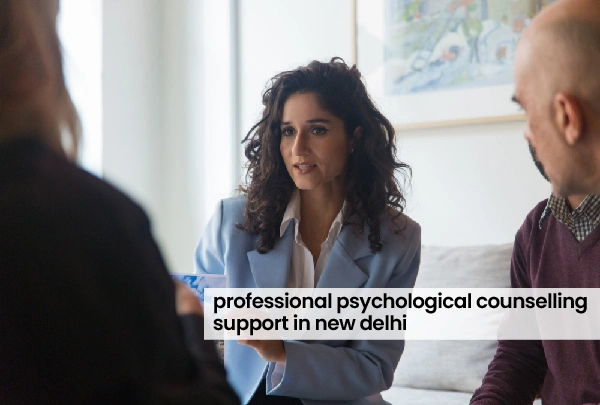
Life in a fast-paced city like Delhi comes with unique pressures, long commutes, demanding careers, and a pace of life that rarely slows down. As a practicing psychologist, I’ve noticed a clear shift: seeking counselling in Delhi is no longer seen as a last resort, but as a proactive, ordinary part of taking care of one’s mind.
This guide walks through what professional support actually looks like, why more people are choosing it, and how to find the right fit for your specific concerns, whether you’re exploring therapy for the first time or looking for a better match after a previous attempt.
Why Support for Mental Health Is More Important Than Ever
Urban mental health challenges are on the rise, and Delhi is no exception. A cross-sectional study of school-going adolescents in South Delhi found meaningful rates of depressive symptoms and phobic anxiety among young people (Bhardwaj et al., 2025). These aren’t distant statistics; they reflect what many residents experience firsthand: persistent worry, low mood, and exhaustion that doesn’t lift with a weekend off. Add to this the demands of a competitive job market, high cost of living, and shifting family structures, and it becomes clear why so many people are actively seeking structured, professional ways to cope.
Whether you’re dealing with a specific diagnosis or simply feel like something isn’t right, professional support can help you understand what’s happening and build a concrete plan forward.
Understanding the Common Concerns That Bring People to Therapy
Anxiety and Depression
Anxiety and depression remain the two most common reasons people reach out for support. Anxiety often shows up as constant worry or physical restlessness, while depression tends to involve persistent low mood and loss of interest in things once enjoyed. Left unaddressed, both can quietly reshape how a person functions, but both are highly responsive to structured therapeutic approaches, especially when addressed early.
Toxic Relationship Patterns
A significant number of people seeking support are navigating a toxic relationship, romantic, familial, or professional. Research indicates that unhealthy relationship dynamics are consistently associated with elevated anxiety, depression, and diminished self-esteem, along with longer-term effects on trust (Zoboroski, 2025). Recognizing a toxic pattern is often the hardest part; a trained therapist can help you rebuild a sense of safety and self-worth, whether the goal is repair or safely exiting it.
Low Motivation and Burnout
Many clients arrive describing a vague but persistent low motivation, an inability to feel excited about things that once mattered, paired with procrastination. This often overlaps with burnout, formally defined as a prolonged psychological response to chronic workplace stress marked by emotional exhaustion, cynicism, and reduced accomplishment (Maslach, as cited in Whitcomb, 2025). Burnout builds gradually, and by the time someone seeks help, they’re often running on empty in every area of life.
Relationship Difficulties
Beyond toxic dynamics, everyday relationship friction, communication breakdowns or growing apart is a common reason couples and individuals seek counselling. You don’t need to be in crisis to benefit; many people simply want to communicate better and feel more understood.
What to Look for When Choosing Support
Finding the right fit matters as much as starting therapy itself. A mismatch in style or approach is one of the most common reasons people give up on counselling too early, so it’s worth being intentional from the start:
- Credentials and specialization. Look for licensed professionals with specific experience in your area of concern, whether that’s anxiety, relationship counselling, or workplace stress.
- Approach and comfort. The relationship between you and your therapist matters more than any single technique; comfort and trust are essential for progress.
- Accessibility. Location, session format (in-person or online), and availability should fit realistically into your life, or you’re less likely to stay consistent.
If you’re researching the Best Psychologists in Delhi, read practitioner profiles, ask about their experience with your concern, and have an initial conversation before committing to ongoing sessions; a good fit makes a measurable difference.
How Psychological Counselling in Delhi Actually Works
Structured psychological counselling in Delhi typically begins with an intake session covering your history, concerns, and goals. Sessions then follow a consistent rhythm using evidence-based approaches tailored to your situation, cognitive-behavioral techniques for anxiety, communication tools for relationship issues, or boundary-setting strategies for burnout recovery. Progress is reviewed periodically so the approach can be adjusted as needed.
Finding the Right Professional Near You
Many people begin their search by typing “therapist near me” or “counsellor near me“, and while proximity is convenient, it shouldn’t be the only factor. Online sessions now make it possible to work with a highly qualified professional regardless of exact location, so prioritize fit and expertise first.
Conclusion
Seeking psychological support isn’t a sign of weakness; it’s a proactive step toward a healthier life. Whether you’re managing anxiety, working through a difficult relationship, or recovering from burnout, professional counselling offers structured tools and a safe space to work through what feels overwhelming alone. The first step is simply reaching out.
Individuals experiencing emotional difficulties, stress, anxiety, relationship concerns, or challenges in coping with everyday situations can seek professional support at Psychowellness Center, with services available at Dwarka and Janakpuri, New Delhi (Contact: 011-47039812 / 7827208707). Experienced professionals can provide personalised psychological assessment, counselling, and practical strategies to support emotional well-being, coping skills, relationships, and daily functioning. TalktoAngel is an online counseling platform that offers online help as well.
Mindfulness-based practices can complement professional psychological support by helping individuals manage stress, improve sleep, and develop greater emotional awareness. Exploring mindfulness for greater focus, calmness, and happiness may also encourage healthier coping and overall emotional well-being.
Frequently Asked Questions
- How do I know if I need professional counselling versus just talking to friends or family? If your struggles are persistent, affecting your daily functioning, or if you find yourself avoiding the topic even with people you trust, a professional can offer objective tools and structured support that informal conversations often can’t provide.
- Is online counselling as effective as in-person sessions? Research and clinical experience suggest online counselling can be equally effective for many concerns, particularly anxiety and general relationship support, as long as you have a private, consistent space for sessions.
- How many sessions will I need before I notice a difference? This varies by individual and concern, but many people report initial shifts in perspective and coping within 4–6 sessions, with deeper, lasting change typically developing over a few months of consistent work.
- Will everything I share in therapy remain confidential? Yes, confidentiality is a core ethical obligation for licensed therapists, with rare, clearly defined exceptions involving safety concerns, which your therapist will explain during your first session.
Call for Action
Individuals seeking professional psychological support may consider the services offered by Psychowellness Center. With centres conveniently located in Janakpuri and Dwarka Sec-17, Delhi, the clinic provides confidential and evidence-based mental health care for concerns related to stress, anxiety, relationships, emotional difficulties, and everyday challenges. People can call 7827208707 or 011-47039812 to schedule an appointment or find out more about the services.
Contributions: Dr. R.K. Suri, Clinical Psychologist, and Ms Mahima Mathur, Counselling Psychologist
References
Bhardwaj, P., Sharma, N., & Kishore, J. (2025). Prevalence of depression and anxiety among school going adolescents of Delhi: A cross-sectional study. PMC. https://pmc.ncbi.nlm.nih.gov/articles/PMC11922383/
Maslach, C., & Jackson, S. E. (1981). The measurement of experienced burnout. Journal of Organizational Behavior, 2(2), 99–113. https://doi.org/10.1002/job.4030020205
Whitcomb, I. (2025, August 20). Christina Maslach: The pioneer behind burnout research. American Psychological Association. https://www.apa.org/members/content/burnout-research
Zoboroski, C. (2025, March 7). Understanding toxic relationships: Causes, consequences, and paths to recovery. Medium. https://medium.com/@christopherzoboroski/understanding-toxic-relationships-b60803c6f36e
https://www.psychowellnesscenter.com/Blog/counselling-and-psychotherapy-in-delhi/