
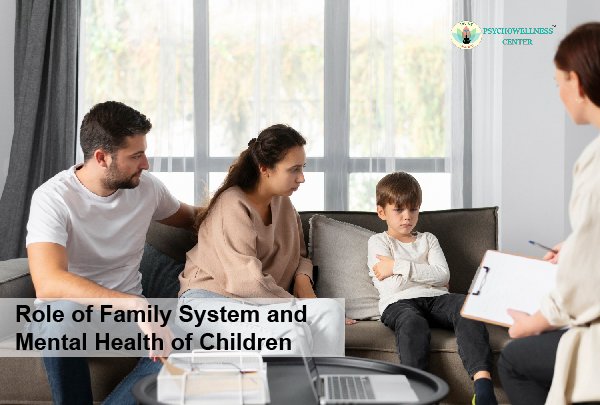
A child’s mental health is not shaped in isolation—it develops within the environment they grow up in, and the family system plays a central role in this process. From early childhood, children learn how to express emotions, build relationships, and respond to challenges by observing and interacting with family members. A nurturing and supportive family can build confidence, emotional stability, and resilience. On the other hand, stressful or unhealthy family dynamics may contribute to emotional and behavioural difficulties such as anxiety, depression, and low motivation. Understanding how family systems influence children is essential for promoting healthy emotional and psychological development.
What is a Family System?
A family system refers to the emotional connections, roles, communication styles, and behavioural patterns shared among family members. It includes parents, siblings, and extended family, all of whom influence a child’s development. In this system, each member affects the others. For example, conflict between parents or a sudden life change can impact a child’s emotional well-being. This interconnected nature makes family dynamics crucial in shaping mental health outcomes.
Why Family Plays a Key Role in Mental Health
- Emotional Security and Attachment
Children need emotional safety to grow and thrive. When caregivers are responsive and supportive, children develop a sense of trust and belonging.
This emotional security helps children:
- Express feelings openly
- Build healthy relationships
- Develop confidence
Without this support, children may experience emotional instability or increased vulnerability to stress.
2. Learning Through Observation
Children learn more from what they see than what they are told. The way parents manage emotions, conflicts, and stress becomes a model for children.
For example:
- Calm communication teaches emotional control
- Aggressive reactions may lead to poor anger management
Over time, this modelling influences how children regulate emotions and respond to challenges.
3. Communication Patterns in Families
Open communication allows children to feel heard and understood. When families encourage honest conversations, children develop confidence in expressing their thoughts.
However, poor communication—such as criticism or neglect—can lead to:
- Emotional withdrawal
- Difficulty expressing feelings
- Increased risk of family problem-related stress
Healthy communication builds trust and emotional safety.
4. Stability and Environment
A stable home environment provides predictability and comfort. Routine, consistency, and supportive relationships help children feel secure. In contrast, unstable environments marked by frequent conflict or sudden changes can lead to emotional stress, insecurity, and even behavioural concerns in children.
5. Parenting Styles and Their Impact
Parenting styles significantly influence a child’s mental health and behaviour.
- Balanced parenting encourages independence and confidence
- Overly strict parenting may lead to fear and anxiety
- Lenient parenting can result in a lack of discipline
- Uninvolved parenting is often linked to emotional difficulties
Parenting also plays a key role in areas like parenting skills, emotional development, and long-term behaviour patterns.
6. Impact of Family Conflict on Children
Conflict is natural in families, but unresolved or frequent conflict can have a negative impact on children.
Common effects include:
- Increased stress and emotional distress
- Behavioural issues such as withdrawal or aggression
- Difficulty concentrating in school
Children often internalise conflict, sometimes blaming themselves or feeling emotionally caught in the middle.
Family Changes and Their Influence
Changes such as relocation, separation, or the arrival of a new family member can affect a child’s emotional stability.
If not handled with care, these transitions may lead to:
- Emotional confusion
- Feelings of loss or insecurity
- Increased stress and adjustment difficulties
Providing reassurance and maintaining communication can help children adapt more easily.
Role of Siblings and Extended Family
Family is not limited to parents. Siblings and extended family members also play a significant role in emotional development.
- Siblings help develop social skills and emotional understanding
- Grandparents and relatives provide additional support and guidance
These relationships contribute to a child’s sense of belonging and emotional strength.
Signs a Child May Be Struggling
Parents need to recognise early signs of emotional difficulty:
- Persistent sadness or irritability
- Withdrawal from activities
- Changes in sleep or eating patterns
- Decline in academic performance
- Increased fear or aggression
Early identification allows for timely support and better outcomes.
How to Build a Healthy Family Environment
Creating a supportive family system does not require perfection—it requires consistency and awareness.
Encourage open communication:
Let children express themselves without fear of judgment.
- Spend quality time together:– Shared experiences strengthen emotional bonds.
- Validate emotions:– Acknowledge children’s feelings instead of dismissing them.
- Maintain routine:– Consistency helps children feel safe and secure.
- Model healthy coping:– Show constructive ways to manage stress and emotions.
- Resolve conflicts calmly:- Demonstrate respectful problem-solving.
When Professional Support is Needed
Sometimes, families may need additional support to improve communication and address challenges. Professional guidance can help identify underlying concerns and create healthier family dynamics. Therapies such as family counselling, CBT, and child-focused interventions are effective in addressing emotional and behavioural issues. Support is especially helpful for child & adolescent concerns where early intervention can make a long-term difference.
Conclusion
The family system plays a powerful role in shaping a child’s emotional and psychological well-being. A supportive environment helps children build confidence, resilience, and emotional stability, while unhealthy dynamics can contribute to long-term challenges. Seeking professional help through child counselling near me, family counselling near me, or psychological counselling in Delhi can provide structured support for families facing emotional or behavioural concerns.
Psychowellness Centre offers specialised services for children and families, including therapy for emotional development, behavioural concerns, and parenting guidance. Their team works closely with families to create healthier communication patterns and stronger emotional bonds. Psychowellness Centre also provides informative YouTube videos on child development, parenting strategies, and family dynamics, helping parents understand practical ways to support their child’s mental health. A healthy family system is not about perfection—it is about creating a space where children feel safe, understood, and supported as they grow.
Contributions: Dr. R.K. Suri, Clinical Psychologist, and Ms. Riya Rathi , Counselling Psychologist
References
- Minuchin, S. (1974). Families and Family Therapy. Harvard University Press.
- Bowlby, J. (1988). A Secure Base: Parent-Child Attachment and Healthy Human Development. Basic Books.
- American Academy of Child and Adolescent Psychiatry. (2022). Family and children’s mental health. https://www.aacap.org