
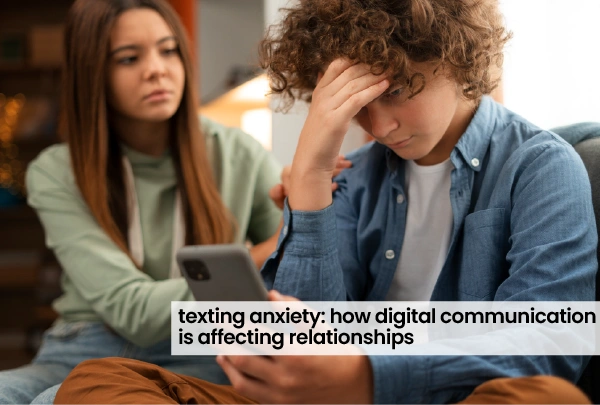
Digital communication has transformed the way people connect. Text messages, instant messaging applications, and social media platforms allow individuals to communicate quickly, regardless of distance. While these technologies have strengthened convenience and accessibility, they have also introduced new emotional challenges. Many people now spend considerable time interpreting delayed replies, short responses, read receipts, or the absence of communication, often leading to unnecessary misunderstandings and emotional distress.
Texting anxiety refers to the emotional discomfort, worry, or uncertainty that arises from digital communication. Although occasional concern about a message is normal, persistent overthinking of online interactions can negatively affect emotional well-being and personal relationships. Relationship pleasure can be increased, and needless conflict can be decreased by learning how to communicate successfully in digital places while upholding appropriate emotional boundaries.
Understanding Texting Anxiety
Many of the nonverbal clues that people naturally rely on during in-person talks are absent from text-based communication. Facial expressions, tone of voice, body language, and immediate feedback help clarify meaning during in-person interactions. Without these cues, individuals may unintentionally misinterpret messages or assume negative intentions.
Persistent stress often develops when people feel pressured to respond immediately or constantly remain available online. Notifications, workplace messaging, and personal conversations may create a sense of continuous responsibility that limits opportunities for psychological rest.
While waiting for responses, many people often feel anxious because they are afraid of being rejected or wonder if they have stated anything incorrectly. Delayed responses are frequently interpreted as signs of conflict, disinterest, or criticism despite having many alternative explanations.
For some individuals, excessive worry about digital interactions contributes to depression, particularly when repeated misunderstandings reduce relationship satisfaction or increase emotional isolation.
People living with generalised anxiety disorder (GAD) may find texting particularly challenging because uncertainty often intensifies excessive worrying. Ambiguous messages, delayed responses, or unanswered texts may trigger repetitive negative thinking that interferes with daily functioning.
Why Digital Messages Are Easily Misunderstood
Text communication encourages quick exchanges but often sacrifices emotional clarity.
One individual may view a brief remark like “Okay” as acceptance, while another may see it as irritation. Similarly, punctuation, emojis, abbreviations, or message timing may carry unintended emotional meaning.
These misunderstandings frequently contribute to loneliness, even when individuals communicate regularly. Frequent texting does not necessarily create emotional closeness if conversations lack openness, empathy, or meaningful connection.
Developing shared goal-setting strategies regarding communication expectations helps couples, families, and friends establish healthier digital habits. Discussing preferred response times, boundaries during work hours, and expectations regarding online availability reduces unnecessary assumptions.
Emotional Reactions to Digital Communication
When individuals repeatedly misinterpret digital conversations, emotional reactions often become stronger over time.
Feelings of anger may develop when someone assumes that delayed responses indicate disrespect or lack of interest. In reality, work commitments, family responsibilities, or simple distractions often explain communication delays.
Healthy assertiveness allows individuals to clarify misunderstandings directly instead of making assumptions. Instead of responding rashly, polite queries like “I noticed your message seemed brief, is everything okay?” encourage better communication.
Developing effective emotional control also helps individuals pause before responding emotionally to upsetting messages. Taking time to reflect before replying often prevents unnecessary conflict while encouraging thoughtful communication.
The Impact on Relationships
Digital communication has become an essential part of modern relationships, yet excessive dependence on texting may gradually reduce meaningful face-to-face interaction.
Couples sometimes replace important conversations with text messages, making emotionally sensitive topics more difficult to discuss. When complex emotions are conveyed through concise written statements, the likelihood of misunderstandings increases.
Similarly, friendships may suffer when individuals rely solely on online conversations without maintaining genuine emotional connection. Healthy relationships require trust, empathy, active listening, and shared experiences beyond digital communication.
Practising mindfulness encourages individuals to become more aware of their emotional reactions before interpreting messages negatively. Rather than assuming the worst, mindfulness promotes curiosity, patience, and emotional balance during digital interactions.
The Role of Self-Perception in Texting Anxiety
Personal beliefs significantly influence how digital messages are interpreted.
Individuals with lower self-esteem may be more likely to assume that delayed replies indicate rejection or personal inadequacy. Minor communication delays can trigger self-doubt, leading individuals to overanalyse conversations or seek constant reassurance.
Over time, repeated misunderstandings may create patterns that resemble a communication disorder, where ineffective communication consistently interferes with healthy relationship functioning. Although texting itself does not cause a communication disorder, unhealthy digital communication habits may reinforce existing communication difficulties and emotional misunderstandings.
Recognising these patterns allows individuals to replace assumptions with open conversations, strengthening trust and improving emotional connection. Understanding how personal emotions influence digital interactions is an important step toward developing healthier communication habits in today’s increasingly connected world.
Building Healthier Digital Communication Habits
Healthy relationships require more than just regular messaging, even though digital communication has become an indispensable aspect of daily life. Couples, friends, and family members benefit from establishing communication habits that encourage trust, clarity, and mutual understanding.
Helpful strategies include:
- Avoid discussing highly emotional issues exclusively through text messages.
- Clarify misunderstandings through phone or face-to-face conversations whenever possible.
- Respect each other’s work schedules and personal boundaries.
- Avoid assuming negative intentions based on delayed responses.
- Express appreciation and empathy regularly.
- Discuss communication preferences openly.
- Limit excessive checking of messages and social media notifications.
- Prioritise quality conversations over constant communication.
These practices reduce unnecessary misunderstandings while strengthening emotional security within relationships.
Strengthening Emotional Awareness
Learning to regulate emotional reactions before responding to digital messages is an important component of healthy communication.
Instead of immediately interpreting silence or delayed replies as rejection, individuals can pause, consider alternative explanations, and communicate their concerns respectfully. Developing emotional awareness helps reduce impulsive reactions while encouraging thoughtful conversations.
Digital communication should support relationships rather than replace meaningful interpersonal interactions. Spending uninterrupted time together, engaging in shared activities, and maintaining face-to-face conversations continue to play an essential role in developing trust and emotional intimacy.
When Should You Seek Professional Support?
While occasional misunderstandings through text messages are common, persistent emotional distress related to digital communication may indicate the need for professional guidance.
Professional support may be beneficial if you:
- Frequently overanalyse text messages.
- Experience persistent worry while waiting for replies.
- Have recurring relationship conflicts related to digital communication.
- Feel emotionally overwhelmed by social media interactions.
- Avoid important conversations because of fear or uncertainty.
- Experience increasing anxiety that interferes with work, relationships, or daily life.
- Notice declining confidence or emotional well-being due to online interactions.
Individuals searching for the Best Psychologists in Delhi or seeking psychological counselling in Delhi can benefit from evidence-based interventions that strengthen communication skills, emotional regulation, and healthy relationship patterns. Although this article focuses on relationship dynamics, professionals who provide Career counselling may also assist individuals whose workplace communication, digital collaboration, or professional confidence is affected by communication-related anxiety.
Conclusion
Digital technology has made communication faster and more convenient, yet it has also introduced new emotional challenges. Texting anxiety often develops when uncertainty, assumptions, and emotional reactions replace open conversations and mutual understanding. By developing healthier communication habits, practising emotional awareness, and maintaining meaningful face-to-face interactions, individuals can reduce misunderstandings and strengthen their relationships. Professional psychological support can further help people develop effective communication skills, emotional resilience, and healthier ways of navigating today’s increasingly digital world.
Professional psychological support is available through TalktoAngel, an online counselling platform, and Psychowellness Center, which offers comprehensive mental health services. Comprehensive psychological services are available at Janakpuri, Delhi and Dwarka Sector 17, Delhi. For appointments or further information, individuals may contact 011-47039812 or 7827208707. Seeking professional support early can help individuals improve communication skills, strengthen emotional resilience, reduce texting-related anxiety, and encourage healthier patterns of thinking, behaviour, and overall well-being.
You can learn more about self-improvement and mindfulness and explore more educational videos on the Psychowellness Center YouTube Channel.
Contributions: Dr. R.K. Suri, Clinical Psychologist, and Ms. Harshit, Counselling Psychologist
References
https://www.psychowellnesscenter.com/Blog/how-digital-validation-affects-relationship-attachment/
https://www.psychowellnesscenter.com/Blog/lifestyle-self-care-strategies-to-manage-anxiety/
American Psychiatric Association. (2022). Diagnostic and statistical manual of mental disorders (5th ed., text rev.). American Psychiatric Association Publishing.
Baym, N. K. (2015). Personal connections in the digital age (2nd ed.). Polity Press.
Pew Research Center. (2023). Teens, social media and technology. Pew Research Center.
Turkle, S. (2015). Reclaiming conversation: The power of talk in a digital age. Penguin Press.
World Health Organization. (2022). World mental health report: Transforming mental health for all. World Health Organization.