
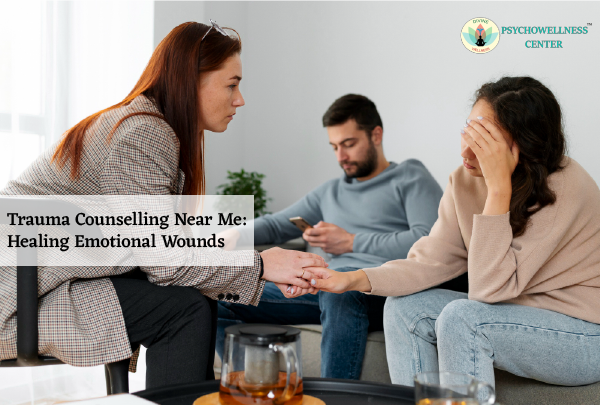
Emotional trauma can alter the way individuals think, feel, and relate to the world around them. It does not always arise from a single catastrophic event. Trauma may result from accidents, abuse, loss, medical crises, childhood neglect, or prolonged stress. What defines trauma is not only the event itself, but the emotional impact it leaves behind. Unprocessed trauma often lingers beneath daily functioning. It may surface as anxiety, irritability, emotional numbness, difficulty trusting others, or sudden mood shifts. In some cases, individuals experience intrusive memories, nightmares, or heightened startle responses. For others, the effects are more subtle, appearing as chronic self-doubt, avoidance behaviours, or difficulty forming secure relationships.
Understanding Emotional Trauma
Trauma affects the nervous system. When a person experiences a threatening or overwhelming event, the body activates a survival response. While this response is protective in the moment, it can remain activated long after the danger has passed.
This prolonged state of alertness can lead to emotional dysregulation, difficulty concentrating, sleep disturbances, and persistent fear. Some individuals withdraw socially, while others overcompensate through perfectionism or excessive control. Trauma responses vary, but they often share one common feature: a sense of emotional instability or disconnection.
Signs You May Benefit from Trauma Counselling
Not everyone who experiences a distressing event develops long-term trauma symptoms. However, certain patterns indicate that professional support may be helpful:
- Recurrent intrusive thoughts or memories
- Avoidance of reminders linked to past experiences
- Emotional numbness or detachment
- Intense guilt or shame
- Hypervigilance or exaggerated startle response
- Persistent anxiety, low mood, or irritability
- Difficulty maintaining relationships
If these experiences interfere with daily functioning or emotional well-being, trauma-focused counselling can provide structured support.
How Trauma Counselling Helps
Trauma counselling does not involve reliving painful memories without purpose. Instead, it offers a safe and controlled environment where individuals can gradually process distressing experiences. Therapists use evidence-based approaches such as trauma-focused cognitive behavioural therapy (TF-CBT), EMDR (Eye Movement Desensitisation and Reprocessing), somatic techniques, and mindfulness-based interventions. The goal is not to erase memories but to reduce their emotional intensity and restore a sense of control.
Counselling helps individuals:
- Develop coping strategies to manage emotional triggers
- Rebuild a sense of safety
- Process unresolved grief or fear
- Challenge trauma-related beliefs
- Improve emotional regulation
- Strengthen interpersonal boundaries
Over time, individuals often report improved self-understanding, reduced anxiety, and greater emotional resilience.
The Importance of Safety and Trust
One of the core components of trauma counselling is establishing a therapeutic relationship built on trust. Trauma can disrupt a person’s ability to feel safe, particularly in relationships. A consistent, non-judgmental therapeutic space allows individuals to regain a sense of psychological security.
Therapists move at a pace that respects the client’s readiness. Stabilisation techniques are often introduced before deeper trauma processing begins. This ensures that individuals feel grounded and supported throughout the healing process.
Addressing Complex Trauma
Some individuals experience complex trauma, often linked to repeated or prolonged adverse experiences such as childhood abuse, domestic violence, or long-term neglect. Complex trauma may affect identity, self-worth, and emotional regulation more deeply. Counselling for complex trauma typically focuses on building emotional stability, strengthening coping skills, and gradually working through unresolved experiences. Healing is often a gradual process, but structured therapeutic support can significantly improve quality of life.
Breaking the Silence Around Trauma
Many individuals delay seeking support due to stigma, minimising their experiences, or believing they should “move on” independently. Trauma recovery is not a sign of weakness; it reflects the need for structured emotional processing. Avoidance may temporarily reduce distress, but unresolved trauma often resurfaces through anxiety, relational difficulties, or psychosomatic symptoms. Early intervention can prevent these patterns from becoming entrenched.
What to Expect in the First Sessions
Initial sessions typically focus on understanding personal history, identifying current symptoms, and setting therapeutic goals. The therapist may explore coping patterns, emotional triggers, and the individual’s support system. Importantly, trauma counselling does not require immediate disclosure of every detail. Therapy progresses collaboratively, ensuring that individuals feel in control of what they share and when.
Long-Term Benefits of Trauma Counselling
With consistent therapeutic engagement, individuals often experience:
- Reduced emotional reactivity
- Improved sleep and concentration
- Stronger self-esteem
- Healthier relational boundaries
- Greater emotional clarity
- Increased resilience during stress
Conclusion
Trauma can shape emotional responses long after an event has passed, influencing relationships, self-perception, and daily stability. Professional intervention provides structured methods to process distressing experiences safely and effectively.
Individuals searching for options such as trauma counselling near me, trauma therapist in Delhi, clinical psychologist near me, psychologist in Delhi, counselling services in Delhi, therapy near me, best psychologist in Delhi, or mental health clinic in Delhi may explore support at Psychowellness Center. Accessing qualified psychological care can facilitate emotional recovery and support long-term psychological well-being.
Mental health awareness is essential as many individuals experience emotional challenges and the lasting impact of childhood trauma. To spread awareness and reduce stigma, the PsychoWellness Center promotes informative YouTube videos on topics like Mental Health Awareness and Understanding Childhood Trauma, helping people better understand psychological well-being and encouraging them to seek the right support.
Contribution: Dr. R.K. Suri, Clinical Psychologist, and Ms. Charavi Shah, Counselling Psychologist
References
- Courtois, C. A., & Ford, J. D. (2013). Treatment of complex trauma: A sequenced, relationship-based approach. Guilford Press.
- Herman, J. L. (2015). Trauma and recovery: The aftermath of violence—from domestic abuse to political terror. Basic Books.
- Shapiro, F. (2018). Eye movement desensitisation and reprocessing (EMDR) therapy: Basic principles, protocols, and procedures (3rd ed.). Guilford Press.
- Substance Abuse and Mental Health Services Administration. (2014). SAMHSA’s concept of trauma and guidance for a trauma-informed approach. U.S. Department of Health and Human Services.
- https://www.psychowellnesscenter.com/Blog/importance-of-safe-and-supportive-trauma-therapy-sessions/