
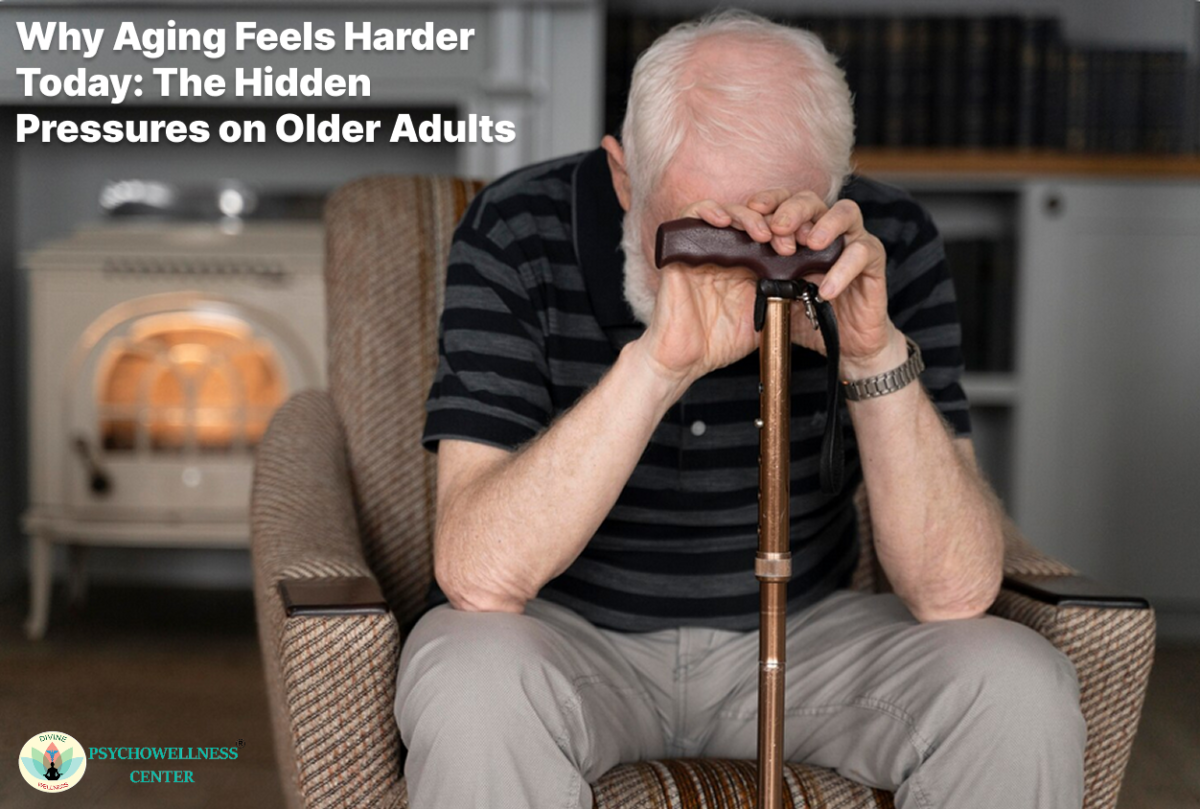
Aging has always come with its own set of challenges, changes in physical health, shifting roles, and the natural process of slowing down. But many older adults today say aging feels especially difficult compared to previous generations. The world has changed rapidly, and with it, the emotional and social pressures placed on seniors have intensified. Issues like stress, anxiety, depression, loneliness, sleep problems, anger, and even burnout, once thought to be limited to working professionals, now deeply affect older adults too.
In this blog, we’ll explore the hidden pressures making aging harder today and why understanding these factors is essential for emotional well-being, healthier family relationships, and stronger communities.
1. The Fast Pace of Modern Life Increases Stress
One of the biggest reasons aging feels harder today is the overwhelming pace of modern society. Technology evolves quickly, lifestyles change rapidly, and cultural norms shift at record speed. Many older adults feel left behind, contributing to stress, panic, and feelings of inadequacy.
For example, simple tasks like banking or communication have moved online. When someone struggles with smartphones or apps, it can lead to frustration, anger, and reduced confidence. Over time, this adds to chronic stress, which contributes to worsening physical health, cognitive decline, and mental strain.
In a world that frequently feels overwhelming, stress management becomes crucial not only for relaxation but also for preserving emotional stability and a sense of control.
2. Rising Loneliness and Isolation
Loneliness is one of the most significant emotional challenges older adults face today. Families are more geographically scattered, communities feel less connected, and social interactions are increasingly digital. Many seniors report going days or weeks without meaningful conversation, which can trigger depression, irritability, and even temper tantrums, often misunderstood as “old age behavior” rather than emotional distress.
Chronic loneliness isn’t just sadness; it affects sleep, immune function, and overall mental health. It also increases the likelihood of substance abuse as some try to cope with emotional emptiness.
Counselling, senior support groups, and regular family check-ins can make a profound difference.
3. Family Problems and Changing Parent-Child Relationships
Another hidden pressure is the shift in parent-child relationships. In earlier generations, older adults were often seen as authority figures or respected elders. Today, the dynamic is more complex. Adult children face their own stresses, careers, parenting, and finances, and this can lead to misunderstandings, impatience, or even emotional abuse toward aging parents.
Some common challenges include:
- Lack of time or emotional availability
- Role reversals where children become caregivers
- Conflicts about finances, living arrangements, or health decisions
- Unresolved resurfacing as parents age
These tensions create feelings of guilt, resentment, anxiety, and sadness for older adults. Family therapy can help bridge communication gaps, rebuild trust, and create healthy boundaries.
4. Financial Pressures and the Fear of Dependency
Money is a major stressor across all ages, but for older adults, financial strain is especially frightening. Rising healthcare costs, inflation, and limited retirement savings contribute to persistent anxiety and depression.
The fear of becoming a “burden” leads many seniors to hide their struggles, worsening emotional distress. They may avoid seeking medical help or suppress their needs, resulting in burnout and chronic stress.
Open discussions within families and financial-planning support can ease these worries and empower older adults to feel more secure.
5. Health Issues and Poor Sleep Quality Intensify Emotional Strain
As people age, chronic pain, reduced mobility, and medical conditions become more common. These physical challenges often lead to:
- Sleep disturbances
- Higher rates of depression
- Increased irritability or anger
- Panic attacks triggered by health fears
Poor sleep amplifies emotional vulnerability. Even a small conflict at home can turn into a bigger emotional reaction, sometimes appearing as temper tantrums or withdrawal.
Addressing sleep hygiene, medication management, and emotional support is crucial.
6. The Weight of Unresolved Trauma and Life Transitions
Many older adults carry decades of experiences, some beautiful, others painful. As responsibilities decrease and life slows down, the mind finally has space to revisit old memories. Unresolved trauma, grief, and regrets can resurface, contributing to anxiety, sadness, anger, and even panic.
Life transitions, retirement, loss of a spouse, adult children moving away can further intensify emotional pain. Without proper support, this may lead to substance abuse or emotional shutdown.
Counselling provides a healthy outlet for processing these emotions and regaining inner peace.
7. Lack of Emotional Support and Stigma Around Mental Health
While mental health awareness is improving, many older adults still believe that emotions like depression, anxiety, or burnout are things they must “just live with.” Cultural beliefs.
Some fear judgment from family members or worry that opening up will cause more family problems. As a result, they bottle up emotions, sometimes leading to:
- Passive-aggressive behavior
- Sudden anger outbursts
- Social withdrawal
- Health decline
Normalizing counselling and creating safe emotional spaces can significantly help older adults feel supported and understood.
8. Burnout Isn’t Just for the Young
Surprisingly, many older adults experience burnout, not from jobs, but from caregiving responsibilities, family expectations, or emotional overload.
Common sources of late-life burnout include:
- Caring for a spouse with an illness
- Taking care of grandchildren
- Managing household responsibilities alone
- Ongoing family conflicts
- Adapting to major life changes
Burnout leads to physical exhaustion, irritability, emotional numbness, and lack of motivation. Recognizing early signs and promoting rest, hobbies, and supportive networks can restore balance.
How to Support Older Adults Emotionally
Aging doesn’t have to feel heavy. Here are meaningful ways to support emotional well-being:
1. Encourage open communication
Create safe, judgment-free spaces to talk about emotions, fears, and memories.
2. Promote professional support
Counselling or family therapy can improve mental health and strengthen relationships.
3. Strengthen social connections
Help build community through clubs, senior centers, online groups, or regular family gatherings.
4. Improve sleep routines
Healthy sleep dramatically reduces anxiety, irritability, and depression.
5. Teach stress-management tools
Stress management strategies include breathing exercises, mindfulness, meditation, light exercise, and hobbies.
6. Watch for signs of emotional abuse
Ensure older adults feel safe and respected within family and caregiving environments.
Conclusion
Aging is an emotional journey in addition to a physical one. Today’s older individuals must deal with new pressures that were not as severe for earlier generations. This time of life can be challenging due to stress, anxiety, sadness, loneliness, family concerns, burnout, sleep problems, and trauma.
But with empathy, open communication, and support systems like counselling and family therapy, aging can become a period of healing, wisdom, and emotional growth.
When the emotional pressures of aging begin to feel overwhelming, professional psychological support can play a vital role in restoring balance and well-being. The Psychowellness Center in Dwarka Sector-17 and Janakpuri (011-47039812 / 7827208707) offers specialized counselling for older adults and families, addressing concerns such as stress, anxiety, depression, loneliness, sleep disturbances, anger, burnout, and family conflicts. Geriatric counseling, family therapy, cognitive behavioral therapy (CBT), bereavement counseling, stress-reduction strategies, mindfulness-based therapy, and sleep-focused therapy are among the therapeutic modalities that assist elders in overcoming emotional obstacles with fortitude and dignity. For those who prefer remote access, TalktoAngel provides convenient online counselling, ensuring older adults receive timely emotional support, improved coping skills, and a renewed sense of connection and purpose.
Contribution: Dr. R.K. Suri, Clinical Psychologist, and Ms. Drishti Rajore, Counselling Psychologist
References
PBS NewsHour. (2025). How the loneliness of social isolation can affect older adults’ brains. PBS. https://www.pbs.org/newshour/health/how-the-loneliness-of-social-isolation-can-affect-older-adults-brains PBS
If you want a second scholarly reference related to older adults’ emotional health and social isolation, here’s another APA citation you could use:
Population Reference Bureau. (2025). Today’s research on aging: How COVID-19 protections affected older adults’ mental health. https://www.prb.org/resources/todays-research-on-aging-how-covid-19-protections-affected-older-adults-mental-health/ prb.org
https://www.psychowellnesscenter.com/Blog/the-hidden-loneliness-of-senior-citizens/
https://www.talktoangel.com/blog/aging-anxiety-overcoming-fear-and-worry
https://www.psychowellnesscenter.com/service-geriatric-counselling/
https://www.psychowellnesscenter.com/Blog/exploring-the-benefits-of-geriatric-counseling/
https://www.psychowellnesscenter.com/Blog/the-impact-of-geriatric-psychotherapy-on-well-being/
https://www.psychowellnesscenter.com/Blog/best-counselling-psychologist-in-anand-niketan-new-delhi/
https://www.psychowellnesscenter.com/Blog/best-relationship-counsellor-in-southeast-delhi/
https://www.psychowellnesscenter.com/Blog/best-clinical-psychologist-in-chanakyapuri-delhi/