
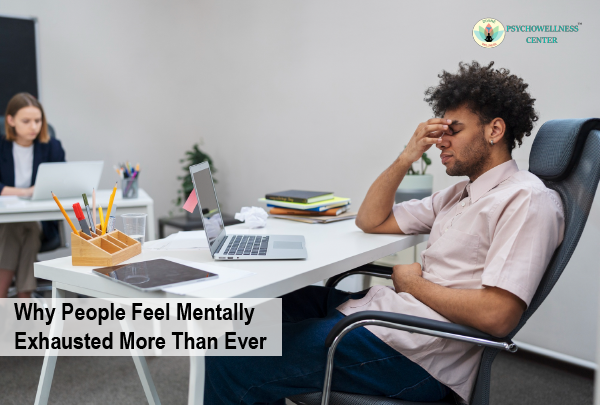
In today’s fast-paced and constantly connected world, many people find themselves feeling mentally drained even without engaging in physically demanding tasks. Despite technological advancements designed to make life easier, mental fatigue has become more widespread than ever. From professionals and students to homemakers, individuals across all walks of life report feeling overwhelmed, tired, and emotionally depleted.
Mental exhaustion is more than just feeling tired—it is a state of emotional, cognitive, and psychological fatigue that affects how we think, feel, and function. Understanding why this is happening is the first step toward managing it effectively.
What is Mental Exhaustion?
Mental exhaustion occurs when the brain is overworked due to prolonged stress, emotional strain, or cognitive overload. It can manifest as:
- Difficulty concentrating
- Irritability and mood swings
- Lack of energy and low motivation
- Feeling overwhelmed or emotionally numb
- Disturbed sleep patterns
Unlike physical tiredness, mental exhaustion doesn’t always go away with rest alone. It often requires bigger changes in lifestyle, mindset, and emotional coping.
Why Mental Exhaustion Is Increasing
- Constant Digital Connectivity
One of the biggest contributors to mental fatigue is the “always-on” culture. Smartphones, emails, and social media keep us connected 24/7, leaving little room for true mental rest.
We are constantly:
- Checking notifications
- Responding to messages
- Consuming information
This continuous stimulation prevents the brain from switching off, leading to chronic stress and cognitive overload.
2. Information Overload
The amount of information we consume daily is overwhelming. News updates, social media content, and endless online resources demand constant attention.
Processing so much information can:
- Reduce focus and clarity
- Increase decision fatigue
- Heighten feelings of anxiety
The brain struggles to keep up, resulting in mental exhaustion.
3. Blurred Work-Life Boundaries
With remote and hybrid work models, the line between work and personal life has become unclear. Many people find themselves working beyond regular hours or thinking about work even during personal time.
This lack of boundaries leads to:
- Continuous mental engagement
- Reduced time for relaxation
- Increased risk of burnout
4. High Expectations and Pressure
Modern society places high expectations on individuals to succeed in multiple areas—career, relationships, health, and personal growth.
The pressure to “do it all” can result in:
- Perfectionism
- Fear of failure
- Persistent stress and dissatisfaction
Over time, this constant pressure contributes to emotional fatigue and low motivation.
5. Emotional Strain and Unprocessed Feelings
Many individuals suppress or ignore their emotions due to busy schedules or a lack of awareness. Unprocessed emotions accumulate over time, leading to emotional overload.
This can manifest as:
- Irritability or anger
- Emotional numbness
- Symptoms of depression
6. Lack of Restorative Rest
While people may get enough hours of sleep, the quality of rest is often compromised due to screen time, stress, or irregular routines.
Poor-quality sleep affects:
- Cognitive functioning
- Energy levels
Without proper rest, mental exhaustion intensifies.
7. Social Comparison and Self-Doubt
Social media has increased the tendency to compare ourselves with others. Seeing curated versions of others’ lives can lead to:
- Feelings of inadequacy
- Lower self-esteem
- Increased anxiety and dissatisfaction
This constant comparison drains emotional energy and affects mental well-being.
8. Reduced Social Connection
Despite being digitally connected, many people experience loneliness and a lack of meaningful relationships. Genuine emotional support plays a crucial role in mental health.
Without it, individuals may feel:
- Isolated
- Unsupported
- Emotionally drained
Signs You May Be Mentally Exhausted
Recognising mental exhaustion early can help prevent further decline. Common signs include:
- Persistent fatigue even after rest
- Difficulty focusing or making decisions
- Increased irritability or emotional sensitivity
- Loss of interest in activities
- Physical symptoms like headaches or body aches
- Feeling overwhelmed by simple tasks
If these signs persist, it may indicate deeper emotional strain.
Impact of Mental Exhaustion
Mental exhaustion affects multiple areas of life:
- Work Performance:- Reduced concentration and motivation can lead to decreased productivity and errors.
- Relationships:- Irritability and emotional withdrawal can strain personal relationships.
- Physical Health:- Chronic stress can lead to headaches, muscle tension, and weakened immunity.
- Mental Health:– Prolonged exhaustion increases the risk of burnout, anxiety disorders, and depression.
How to Manage Mental Exhaustion
- Set Clear Boundaries:– Define work and personal time. Avoid checking emails or messages outside work hours whenever possible.
- Limit Digital Overload:- Take regular breaks from screens. Consider setting specific times for social media use.
- Practice Mindfulness:- Mindfulness techniques such as deep breathing, meditation, or grounding exercises help calm the mind and reduce stress.
- Prioritise Quality Sleep:- Maintain a consistent sleep routine and reduce screen exposure before bedtime to improve sleep quality.
- Simplify Your Schedule:- Avoid overcommitting. Focus on priorities and let go of unnecessary tasks.
- Stay Physically Active:- Frequent exercise lowers stress and elevates mood.
- Seek Emotional Support:- Talking to a trusted friend, family member, therapist, or counsellor can provide relief and perspective.
- Practice Self-Compassion:- Be kind to yourself. Accept that it’s okay to rest and not be productive all the time.
When to Seek Professional Help
If mental exhaustion becomes persistent and begins to affect daily functioning, it is important to seek professional support.
Consider reaching out if:
- You feel constantly overwhelmed
- Symptoms of anxiety or depression increase
- You struggle to cope despite self-help efforts
Conclusion
Mental exhaustion has become increasingly common due to constant connectivity, high expectations, and emotional strain. Understanding its causes and recognising the signs are the first steps toward recovery. By setting boundaries, prioritising rest, and seeking support, you can restore balance and improve your well-being. Psychowellness Center connects you with the Best Psychologists in Delhi, offering expert care for those seeking a psychologist in Delhi NCR or trusted counselling in Delhi.
In today’s demanding world, prioritising mental health is essential—mindfulness, managing anxiety, and focusing on happiness can help you feel more grounded and resilient. You can visit their centres in Dwarka and Janakpuri, New Delhi, or contact them at 011-47039812 / 7827208707 for appointments and further assistance.
Contributions: Dr. R.K. Suri, Clinical Psychologist, and Ms. Riya Rathi , Counselling Psychologist
References
- American Psychological Association. (2023). Stress in America 2023: A nation recovering from collective trauma. https://www.apa.org/news/press/releases/stress
- World Health Organisation. (2019). Burn-out an “occupational phenomenon”: International classification of diseases.
- Rosen, L. D., Lim, A. F., Felt, J., Carrier, L. M., Cheever, N. A., Lara-Ruiz, J. M., Mendoza, J. S., & Rokkum, J. (2014). Media and technology use predicts ill-being among children, preteens and teenagers independent of the negative health impacts of exercise and eating habits. Computers in Human Behavior, 35, 364–375. https://doi.org/10.1016/j.chb.2014.01.036