
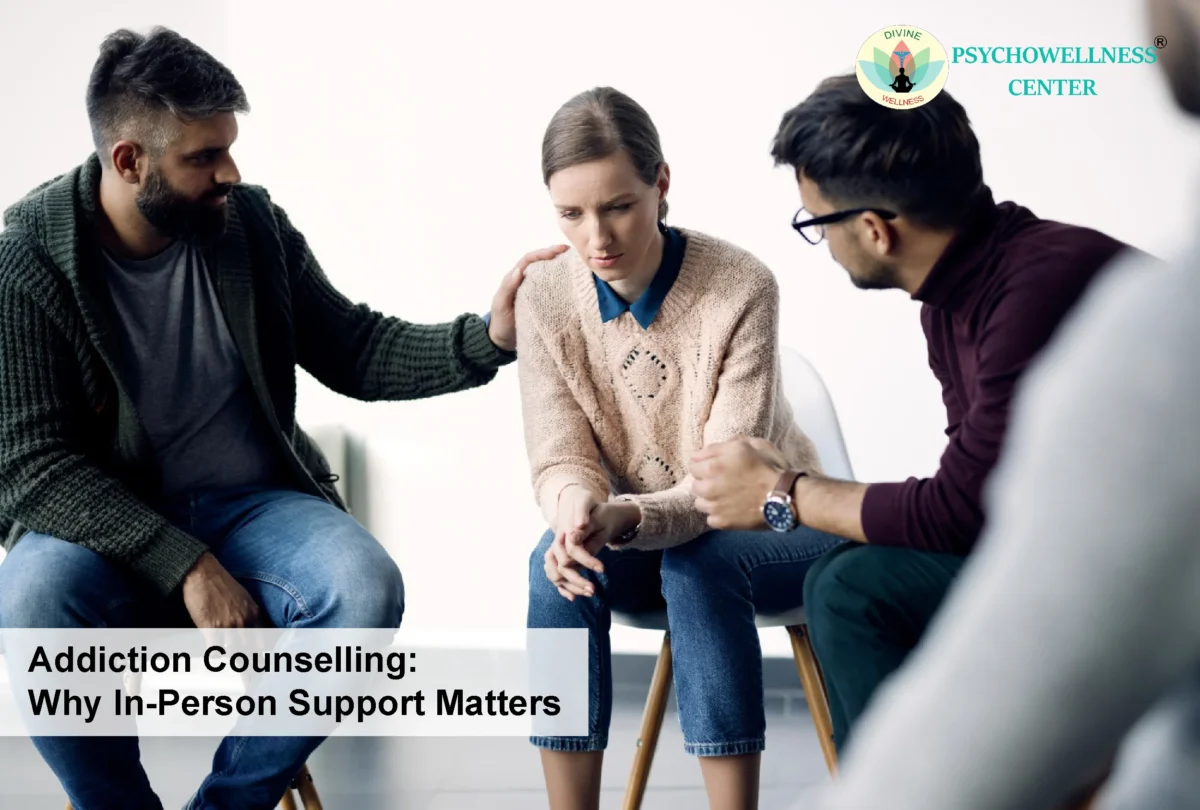
Addiction is often misunderstood as simply a lack of willpower or self-control. In reality, it is a complex condition that affects the brain, emotions, behavior, and relationships. Whether it involves alcohol, nicotine, drugs, gambling, internet use, gaming, or smartphones, addiction can gradually interfere with a person’s physical health, mental well-being, career, and family life. While online resources and self-help tools have made mental health support more accessible, in-person addiction counselling continues to play a vital role in recovery by offering personalized care, accountability, and meaningful human connection.
Recovery is rarely a journey that anyone should undertake alone. Professional face-to-face counselling provides a safe and supportive environment where individuals can openly discuss their struggles, identify the root causes of addictive behaviors, and develop healthier coping strategies for long-term recovery.
Understanding Addiction
Addiction is characterized by the inability to stop engaging in a substance or behavior despite experiencing negative consequences. It often develops gradually, beginning with occasional use or engagement that eventually becomes compulsive. Over time, addiction can alter the brain’s reward system, making it increasingly difficult to resist cravings or control impulses.
Addiction may involve substances such as alcohol, tobacco, or drugs, as well as behavioral addictions like excessive gaming, social media use, online gambling, shopping, or internet dependence. Although the type of addiction may differ, the emotional and psychological processes behind addiction often share common features, including stress, anxiety, loneliness, trauma, or unresolved emotional pain.
Why Professional Counselling Is Essential
Many individuals attempt to overcome addiction independently. While motivation is an important first step, recovery often requires professional guidance because addiction is rarely caused by one single factor.
A trained psychologist helps individuals understand the emotional triggers, unhealthy thought patterns, and environmental influences that contribute to addictive behaviors. Counselling also equips individuals with practical coping skills to manage cravings, regulate emotions, improve decision-making, and reduce the likelihood of relapse. Rather than focusing only on stopping the addictive behavior, counselling aims to improve overall psychological well-being and quality of life.
The Unique Benefits of In-Person Addiction Counselling
Although teletherapy has become increasingly popular, face-to-face counselling continues to offer several unique advantages.
- Stronger Therapeutic Connection: One of the strongest predictors of successful therapy is the relationship between the client and the therapist. Meeting in person allows psychologists to observe facial expressions, body language, emotional responses, and other non-verbal cues that may not be fully visible during virtual sessions. This often leads to deeper understanding, stronger trust, and more effective communication.
- A Safe and Distraction-Free Environment:- Home environments often contain distractions, including family members, work responsibilities, or easy access to addictive substances or digital devices. In-person counselling provides a confidential and structured therapeutic space where individuals can focus entirely on their recovery without interruptions.
- Greater Accountability:- Attending scheduled appointments encourages commitment to the recovery process. The routine of regular therapy visits can increase motivation, reinforce healthy habits, and help individuals stay engaged with their treatment goals.
- Immediate Emotional Support:– Discussing addiction can sometimes bring up intense emotions such as guilt, shame, anger, or sadness. In-person sessions allow therapists to respond immediately with emotional support, grounding techniques, and crisis management when needed.
- Better Family Involvement:- Addiction often affects entire families. Face-to-face sessions make it easier to include family members in counselling, improve communication, rebuild trust, and educate loved ones about healthy ways to support recovery.
What Happens During Addiction Counselling?
Every individual’s recovery journey is unique, so counselling is tailored to each person’s needs. During the initial sessions, the psychologist gathers information about the person’s addiction history, mental health, medical background, lifestyle, relationships, and treatment goals.
Depending on the individual’s concerns, therapy may include:
- Identifying emotional and environmental triggers.
- Learning healthier coping strategies.
- Managing cravings and preventing relapse.
- Building emotional control.
- Improving stress management skills.
- Addressing anxiety, depression, trauma, or low self-esteem.
- Strengthening relationships and communication skills.
- Developing realistic long-term recovery goals.
Evidence-based approaches such as Cognitive Behavioral Therapy (CBT), Motivational Interviewing (MI), Mindfulness-Based Therapy, and Relapse Prevention Therapy are commonly used to support sustainable recovery.
Signs That You May Benefit from Addiction Counselling
Early intervention can stop addiction from getting worse. If you observe any of the following, professional counseling might be helpful:
- Difficulty controlling your substance use or behavior.
- Repeated unsuccessful attempts to quit.
- Cravings that interfere with daily life.
- Neglecting work, studies, or family responsibilities.
- Relationship conflicts due to addictive behaviors.
- Withdrawal symptoms when attempting to stop.
- Increased anxiety, depression, or irritability.
- Continuing the behavior despite negative consequences.
Recognizing these signs is not a sign of weakness, it is an opportunity to begin meaningful change.
Supporting Long-Term Recovery
Recovery is more than just quitting an addicted activity. It involves building a healthier lifestyle, improving emotional well-being, strengthening relationships, and learning new ways to manage life’s challenges without relying on substances or compulsive behaviors.
Long-term success often involves maintaining healthy routines, practicing stress-management techniques, engaging in meaningful activities, strengthening social support networks, and continuing therapy when needed. Recovery is a gradual process, and occasional setbacks can be opportunities to learn rather than reasons to give up.
Professional Support at Psychowellness Center
Professional assistance can make a big impact if you or someone you care about is battling addiction. Psychowellness Center offers compassionate, confidential, and evidence-based addiction counselling provided by experienced best psychologists in India, the best counselors near me, therapists in Delhi, and the best psychologists in Dwarka. The center provides individualized treatment for substance-related addictions as well as behavioral addictions, including excessive internet use, gaming, smartphone dependence, and gambling. Therapy focuses on identifying underlying emotional concerns, developing healthy coping strategies, preventing relapse, and supporting long-term psychological well-being.
Individuals can seek professional guidance at the Janakpuri and Dwarka Sector-17 branches of Psychowellness Center. To schedule an appointment or learn more about available services, you can contact the center at 011-47039812 or 7827208707.
Contributions: Dr. R.K. Suri, Clinical Psychologist, and Ms. Sakshi Dhankhar, Counselling Psychologist
Conclusion
Addiction is a treatable condition, and recovery is possible with the right support. While self-help strategies and online resources can be valuable, in-person addiction counselling offers unique benefits through personalized care, stronger therapeutic relationships, structured guidance, and consistent accountability. Taking the first step toward seeking professional help can open the door to healthier habits, improved emotional well-being, and a more fulfilling life. Recovery is not about achieving perfection; it is about making steady progress toward lasting positive change.
References
- American Psychiatric Association. (2022). Diagnostic and statistical manual of mental disorders (5th ed., text rev.; DSM-5-TR). American Psychiatric Association.
- Marlatt, G. A., & Donovan, D. M. (Eds.). (2005). Relapse prevention: Maintenance strategies in the treatment of addictive behaviors (2nd ed.). Guilford Press.
- Miller, W. R., & Rollnick, S. (2013). Motivational interviewing: Helping people change (3rd ed.). Guilford Press.