
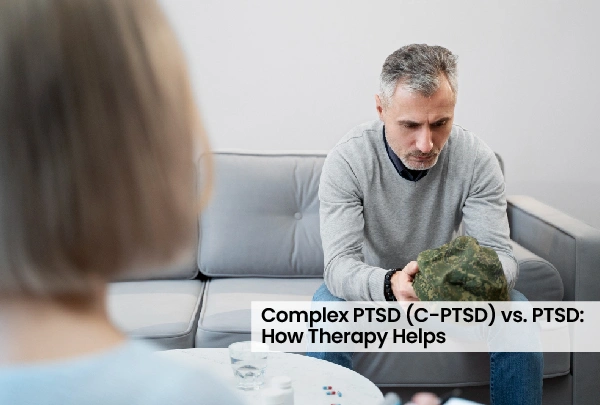
Trauma affects people in different ways, but not all traumatic experiences leave the same psychological impact on them. While most people have heard about Post-Traumatic Stress Disorder (PTSD), few people understand Complex PTSD (C-PTSD) and how both of them differ. Indeed, both conditions develop after going through distressing experiences, but the nature of the trauma, symptoms, and treatment approaches can vary significantly.
With the right support from a qualified counseling psychologist in Delhi, individuals can learn the difference between PTSD and C-PTSD while also learning to process trauma, rebuild confidence, and regain control over their lives. Effective therapy plays a crucial role in recovery.
Understanding Post-Traumatic Stress Disorder (PTSD)
Post-traumatic stress disorder (PTSD) is a mental health condition that develops after experiencing or witnessing a traumatic event such as a serious accident, natural disaster, war, assault, domestic violence, or any situation involving a perceived threat to life or safety. PTSD occurs when symptoms persist for months and interfere with daily life. Common symptoms include:
- Intrusive memories or flashbacks
- Nightmares related to the traumatic event
- Avoidance of places, people, or situations associated with the trauma
- Increased anxiety, fear, or hypervigilance
- Difficulty concentrating
- Sleep disturbances
- Irritability or anger
Many people with PTSD also experience anxiety, depression, and difficulty maintaining healthy relationships. Moreover, in some cases, individuals may also develop generalized anxiety disorder (GAD) or struggle with stress and social withdrawal.
Understanding Complex PTSD (C-PTSD)
Complex PTSD (C-PTSD) develops when the individual goes through repeated, prolonged, or ongoing traumatic experiences, especially in situations where that person feels trapped or is unable to escape. Environments such as long-term emotional abuse, childhood neglect, repeated bullying, ongoing domestic violence, or living in an unsafe environment for years.
While many symptoms of C-PTSD may overlap with those of PTSD, individuals also struggle with deeper emotional and interpersonal challenges, such as:
- Persistent feelings of shame or guilt
- Difficulty trusting others
- Poor self-esteem and negative self-image
- Trouble regulating emotions and anger
- Fear of abandonment or unhealthy dependence
- Difficulty maintaining close relationships and intimacy
Because complex trauma often develops over many years, its effects can influence every aspect of a person’s emotional and social life.
PTSD vs. Complex PTSD: Key Differences
Although PTSD and Complex PTSD share several symptoms, there are important distinctions between the two conditions.
- Cause of trauma
PTSD usually develops after a single traumatic event or a limited number of traumatic experiences.
Complex PTSD develops along with repeated or prolonged trauma, especially when the individual feels powerless to escape the situation.
2. Emotional Regulation
People with PTSD may experience intense fear or panic when reminded of the trauma.
Individuals with Complex PTSD often struggle with ongoing emotional control, finding it difficult to manage sadness, anger, or overwhelming emotions.
3. Self-identity
PTSD primarily affects a person’s response to traumatic memories.
Complex PTSD often affects the individual more deeply, where they negatively view themselves, leading to persistent feelings of worthlessness, shame, or self-blame.
4. Relationships
While PTSD can affect relationships due to avoidance or emotional distress, irritability and emotional distress that may lead to withdrawal from loved ones.
Complex PTSD causes much deeper interpersonal challenges such as struggles with trust, dependence, or maintaining stable relationships because of repeated experiences of betrayal or abuse.
5. Long-Term Impact
PTSD impacts everyday functioning, especially through intrusive memories, hypervigilance, and avoidance behaviors. It may co-exist with stress-related disorders, and can interfere with work, relationships, and overall quality of life.
Complex PTSD has a broader impact as the trauma shapes emotional development over an extended period. There is a chance of personality disorder, addiction, or depression as well.
How Therapy Helps in PTSD and Complex PTSD
The good thing is that both PTSD and Complex PTSD are treatable. Therapy helps in providing a safe and structured environment where individuals can understand their experiences, process traumatic memories, and develop healthier coping strategies. Receiving therapy helps in the following aspects:
- Creating a Safe Therapeutic Space: The first step in trauma recovery is to establish safety with a trained therapist who creates a supportive, non-judgmental environment where clients feel heard and understood without fear or pressure.
- Processing Traumatic Memories: Evidence-based therapies help individuals gradually process traumatic experiences without becoming overwhelmed. Instead of avoiding painful memories, therapy teaches clients how to approach them in a manageable and controlled way.
- Managing Anxiety and Stress: Techniques like mindfulness practices improves present-moment awareness and help reduce emotional reactivity by identifying triggers to reduce anxiety and manage daily stress.
- Rebuilding Self-Esteem: Since people with Complex PTSD frequently carry deep feelings of shame or self-criticism, therapy helps challenge negative beliefs developed through trauma and encourages healthier self-perception.
- Improving Relationships: Therapy helps individuals understand how trauma influences their interactions and teaches them to improve emotional awareness and strengthen interpersonal skills.
- Developing Healthy Boundaries: Many trauma survivors have difficulty saying no or recognizing unhealthy relationship patterns. Therapy helps clients establish healthy boundaries, improve assertiveness, and protect their emotional well-being while maintaining meaningful relationships.
- Addressing Co-Occurring Mental Health Concerns: Other mental health disorders may occur, such as depression, generalized anxiety disorder (GAD), sleep difficulties, or even substance addiction. Creating an effective treatment plan addresses these interconnected challenges, promoting more sustainable recovery.
When Should You Seek Professional Help?
Trauma affects everyone differently, but if the emotional impact continues for weeks or months and begins interfering with your daily life, it is a sign to seek professional support. Early interventions can help reduce the severity of symptoms and support long-term journeys.
One should consider reaching out to a mental health professional if they experience:
- Frequent flashbacks, nightmares, or intrusive memories related to the trauma
- Ongoing anxiety, depression, sleep disturbances, or emotional numbness
- Difficulty in maintaining relationships
- Managing emotions in everyday situations
A qualified counseling psychologist in Delhi or an experienced psychologist in Delhi NCR, best counselors in Dwarka, and psychological counseling near me can assess your symptoms. Timely therapy can help you regain emotional stability, build resilience, and improve your overall quality of life.
Conclusion
Seeking professional support for Borderline Personality Disorder (BPD) traits is a valuable step towards achieving greater emotional calmness and overall improved mental well-being. At the Psychowellness Center, our experienced mental health professionals provide DBT-informed, evidence-based therapy and treatment approaches designed to help you manage intense emotions. If you are facing emotional dysregulation, the offline centers are located in Janakpuri and Dwarka, Sector-17 (011-47039812 / 7827208707). You can also connect with experienced psychologists across Delhi-NCR by searching for “therapy near me.”
Choosing to seek support is a meaningful step toward lasting positive change. With the help of evidence-based DBT-informed therapy and compassionate guidance from mental health professionals, strengthen healthy coping mechanisms, support self-improvement, and lead a more balanced and fulfilling life.
Contributions: Dr. R.K. Suri, Clinical Psychologist, and Ms. Vandana Krishnan, Counselling Psychologist
FAQs
- What is the difference between PTSD and Complex PTSD (C-PTSD)?
PTSD is usually developed after experiencing or witnessing a traumatic event, while Complex PTSD is associated with repeated trauma.
- How do PTSD and Complex PTSD affect emotional well-being?
Both PTSD and Complex PTSD affect emotional well-being by causing fear, anxiety, emotional distress, difficulty regulating emotions, sleep problems, and social withdrawal.
- Which therapy helps with both PTSD and Complex PTSD?
Evidence-based therapies such as trauma-focused CBT, EMDR, and other trauma-informed approaches can help individuals process traumatic experiences and regulate emotions.
- When should I consider therapy for PTSD or Complex PTSD?
You should seek professional support when trauma-related symptoms persist, interfere with daily life or relationships, or make it difficult to be in control of emotions.
- Where can I seek professional help in Delhi?
DBT-informed therapy is available at Psychowellness Center’s Janakpuri and Dwarka Sector-17 centres.
References
International Society for Traumatic Stress Studies. (n.d.). Complex PTSD. https://istss.org/public-resources/trauma-blog/complex-ptsd/
National Institute of Mental Health. (2024). Post-traumatic stress disorder. https://www.nimh.nih.gov/health/topics/post-traumatic-stress-disorder-ptsd
https://www.psychowellnesscenter.com/Blog/symptoms-and-treatment-for-complex-ptsd/
https://www.psychowellnesscenter.com/Blog/importance-of-safe-and-supportive-trauma-therapy-sessions/
https://www.psychowellnesscenter.com/Blog/trauma-informed-therapist-in-delhi-for-ptsd-and-c-ptsd/
https://www.psychowellnesscenter.com/Blog/best-psychologist-in-janakpuri-for-stress-ptsd/
https://www.psychowellnesscenter.com/Blog/understanding-ptsd-and-the-path-to-healing/