
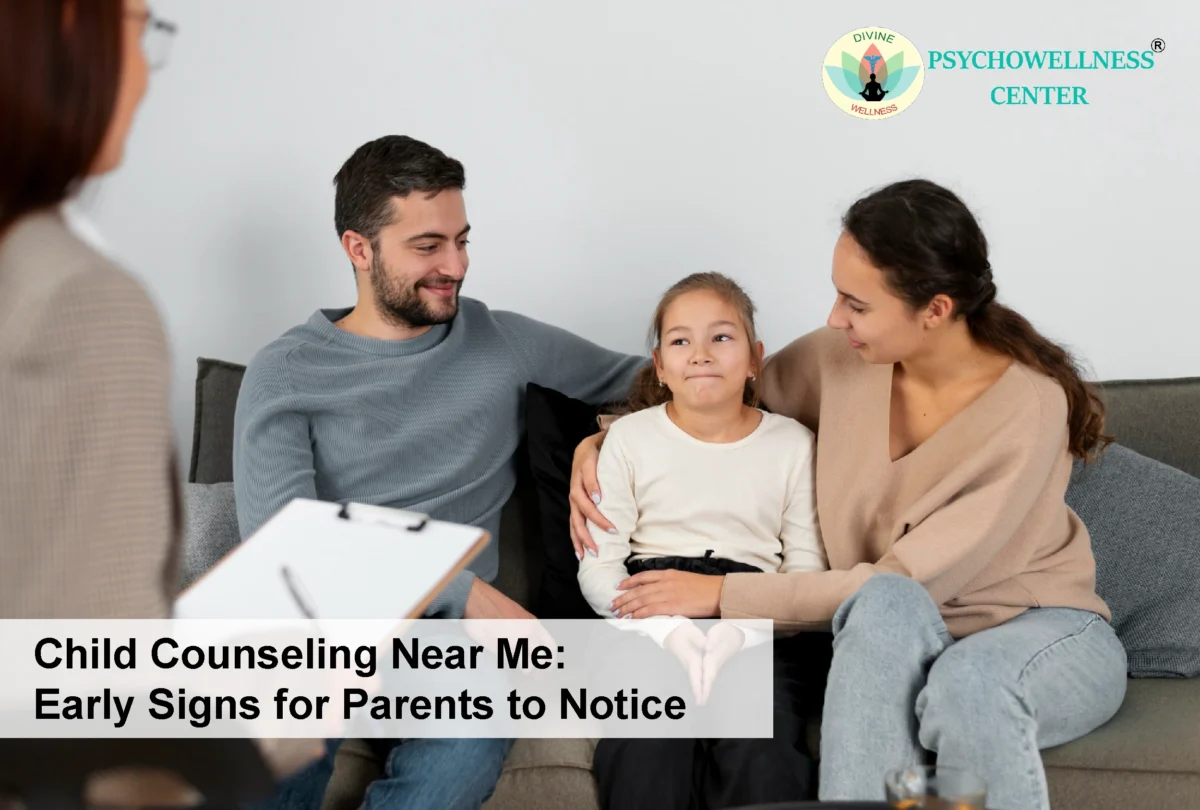
Every youngster grows and develops at their own speed. Some children are naturally quiet, energetic, or emotional, while others may take longer to achieve certain milestones. However, persistent changes in a child’s behavior, emotions, learning, or social interactions may be a sign that they require professional assistance. Early detection of these symptoms enables parents to intervene promptly, assisting kids in overcoming obstacles before they have a substantial impact on their relationships, emotional health, or academic achievement. Searching for Child Counseling Near me is often the first step parents take when they notice concerns, and early guidance can make a lasting difference in a child’s development.
Why Early Identification Matters
Children often show emotional anguish differently than adults. Instead of verbalizing their feelings, they may display behavioral changes, physical complaints, or difficulties at school. Early detection enables mental health professionals to understand the underlying reasons and provide appropriate interventions before problems become more complex.
Research consistently shows that early assessment and intervention improve emotional control, social functioning, learning abilities, and long-term mental health outcomes. Parents know their children best, so believing their observations is a vital first step.
Early Signs Parents Should Watch For
1. Delays in Developmental Milestones
One of the earliest concerns may be a developmental delay, where a child does not reach expected milestones related to language, movement, social interaction, or problem-solving. While every child develops differently, persistent delays deserve professional evaluation rather than a “wait and see” approach.
2. Sudden Changes in Mood or Behavior
Children who become unusually withdrawn, irritable, fearful, or emotionally reactive for several weeks may be experiencing psychological distress. Frequent crying, excessive anger, or loss of interest in previously enjoyable activities should not be ignored.
3. Persistent Academic Difficulties
Some children struggle in school despite putting in consistent effort. Reading, writing, spelling, mathematics, or maintaining attention may become ongoing challenges. In some cases, these concerns may indicate specific learning disabilities, which require comprehensive assessment and individualized support rather than assumptions about laziness or lack of motivation.
4. Frequent Defiance Beyond Typical Childhood Behavior
Occasional tantrums and disagreements are normal during development. However, persistent hostility, frequent arguments with authority figures, deliberate rule-breaking, and vindictive behavior lasting several months may suggest oppositional defiant disorder, which benefits from professional intervention focused on emotional regulation and family support.
5. Social Withdrawal
Children who avoid interacting with peers, struggle to make friends, or isolate themselves from family activities may be experiencing anxiety, low self-esteem, bullying, or emotional difficulties. Social withdrawal is often one of the earliest signs that emotional support is needed.
6. Excessive Anxiety or Fears
Persistent worries about school, separation from parents, making mistakes, or everyday situations may interfere with daily functioning. Physical symptoms such as stomachaches or headaches without a medical explanation may also accompany childhood anxiety.
7. Changes in Eating or Sleeping Patterns
Noticeable shifts in appetite, frequent nightmares, difficulty falling asleep, or sleeping excessively can sometimes reflect underlying emotional concerns rather than purely physical issues.
8. Regression in Skills
Returning to earlier behaviors, such as bedwetting, thumb-sucking, excessive clinginess, or baby talk after previously outgrowing them, may indicate that a child is struggling emotionally.
9. Difficulty Managing Emotions
Children who frequently have intense emotional outbursts, struggle to calm themselves, or react disproportionately to minor frustrations may benefit from learning healthy emotional regulation skills with professional guidance.
10. Exposure to Major Life Changes
A child’s emotional health may be impacted by family strife, divorce, moving, bereavement, bullying, trauma, or the addition of a new sibling. Even when children appear resilient, these experiences may create stress that surfaces through behavior changes over time.
How Child Counseling Helps
Professional child and adolescent counselling provides children with a safe, supportive environment where they can express thoughts and feelings in ways appropriate to their developmental stage. Rather than expecting children to communicate like adults, therapists use developmentally appropriate approaches to understand their experiences and strengthen coping skills.
Counseling may help children:
- Improve emotional regulation
- Build self-confidence and self-esteem
- Develop healthy communication skills
- Strengthen family relationships
- Improve social interactions
- Reduce anxiety and behavioral difficulties
- Enhance resilience during life transitions
Treatment plans are individualized according to each child’s unique strengths, needs, and developmental level.
Therapeutic Approaches Used with Children
Young children often communicate through play and creativity more effectively than through conversation alone.
Play therapy allows therapists to understand children’s emotions, experiences, and conflicts through carefully structured play activities. This approach helps children process difficult experiences while learning healthier coping strategies.
Similarly, art therapy provides opportunities for children to express feelings using drawing, painting, storytelling, or creative activities when verbal expression feels difficult. These methods encourage emotional expression in a non-threatening and engaging manner.
Depending on the child’s needs, therapists may also integrate behavioral interventions, parent guidance, emotional skills training, and school collaboration into treatment.
Supporting Your Child at Home
Parents have a big impact on a child’s emotional growth. Daily interactions at home have a significant impact on healing and progress, even while professional counseling offers specialized support.
Helpful strategies include:
- Listen without immediately judging or correcting.
- Maintain predictable routines.
- Praise effort rather than perfection.
- Encourage healthy emotional expression.
- Limit excessive screen time.
- Spend quality one-on-one time together.
- Communicate regularly with teachers.
Working collaboratively with therapists creates consistency across home and school environments.
The Importance of Individualized Planning
Every child progresses differently, making personalized intervention essential. Therapists often work with parents to establish realistic goal-setting that focuses on emotional, behavioral, social, and academic growth. Small, measurable goals help families recognize progress while keeping expectations developmentally appropriate.
When Should Parents Seek Professional Help?
Parents should consider consulting a mental health professional if concerns:
- Persist for several weeks or months.
- Interfere with school, friendships, or family life.
- Cause significant emotional distress.
- Continue despite supportive parenting strategies.
- It becomes increasingly severe over time.
If parents frequently find themselves searching for a child psychologist near me, ADHD counselors near me, Autism counselors near me, or a kids therapist near me, it often reflects an important intuition that their child may benefit from professional evaluation. Seeking support early is not a sign of failure; it is an investment in a child’s healthy emotional and developmental future.
Conclusion
Every child experiences occasional emotional ups and downs, but persistent changes in behavior, learning, emotions, or relationships deserve attention. Early detection enables families to get the right help before minor issues become more serious problems. By remaining observant, maintaining open communication, and seeking professional guidance when needed, parents can help children build resilience, confidence, and lifelong emotional well-being.
To better understand and address early emotional, behavioural, developmental, and learning concerns in children, families can seek professional support at Psychowellness Center. Services are available in person at Dwarka and Janakpuri, New Delhi (Contact: 011-47039812 / 7827208707) and online through TalktoAngel. With the guidance of experienced mental health professionals, children and parents can strengthen emotional well-being, improve communication, develop healthy coping strategies, manage behavioural challenges, build confidence and resilience, use evidence-based psychological interventions that are customized to meet the unique requirements of each child to improve social and academic functioning, cultivate positive family ties, and support healthy overall development.
Recognizing early emotional and behavioural concerns allows parents to seek timely support that promotes healthy development and resilience. Understanding the value of professional guidance for children’s emotional and behavioural development while following effective parenting practices to nurture a stronger parent-child relationship can significantly enhance a child’s confidence, coping skills, and overall well-being.
Contributions: Dr. R.K. Suri, Clinical Psychologist, and Ms. Mahima Mathur, Counselling Psychologist
References
American Academy of Pediatrics, Council on Children With Disabilities. (2006). Identifying infants and young children with developmental disorders in the medical home: An algorithm for developmental surveillance and screening. Pediatrics, 118(1), 405–420.
Centers for Disease Control and Prevention. (2026). Concerned about your child’s development? Learn the signs. Act early. https://www.cdc.gov/concerned
https://www.psychowellnesscenter.com/Blog/supporting-child-growth-through-child-counselling-near-me/
https://www.psychowellnesscenter.com/Blog/best-child-psychologists-in-dwarka-sector-17-dwarka-delhi/
https://www.psychowellnesscenter.com/Blog/best-child-psychologist-in-delhi-cantt/
Mayo Clinic. (2024). Mental illness in children: Know the signs. https://www.mayoclinic.org/healthy-lifestyle/childrens-health/in-depth/mental-illness-in-children/art-20046577