
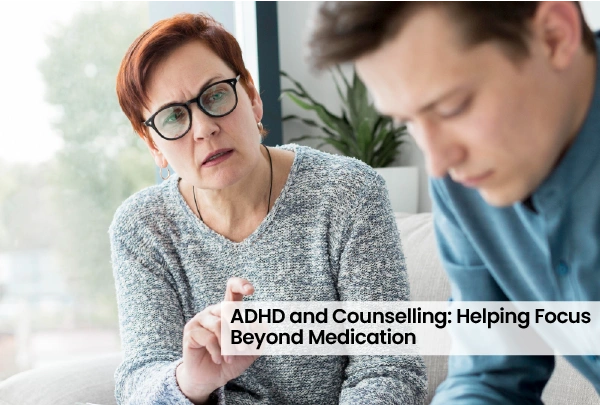
One of the most prevalent neurodevelopmental disorders affecting children, adolescents, and adults is attention-deficit/hyperactivity disorder (ADHD). While many people associate ADHD with hyperactivity or difficulty paying attention, the condition is much more complex. Individuals with ADHD often experience challenges in organization, time management, emotional control, impulse control, and maintaining relationships. These difficulties can significantly affect academic performance, workplace productivity, self-esteem, and overall quality of life.
Medication is often an effective component of ADHD treatment, particularly for managing core symptoms such as inattention, hyperactivity, and impulsivity. However, medication alone does not teach practical life skills, improve emotional coping, or address the psychological and social challenges associated with ADHD. Counseling is essential in this situation. Through evidence-based therapeutic approaches, ADHD counselling helps individuals understand their strengths, develop coping strategies, and improve their daily functioning beyond symptom management.
Understanding ADHD
ADHD is a neurodevelopmental disorder characterized by persistent patterns of inattention, hyperactivity, and impulsivity that interfere with functioning across multiple settings, such as home, school, work, or social environments. Symptoms typically begin in childhood, although many individuals are diagnosed later in adolescence or adulthood.
The three presentations of ADHD include:
- Predominantly Inattentive Presentation: Difficulty sustaining attention, forgetfulness, disorganization, losing belongings, and being easily distracted.
- Predominantly Hyperactive-Impulsive Presentation: Excessive movement, restlessness, interrupting conversations, difficulty waiting for turns, and acting without considering consequences.
- Combined Presentation: A combination of inattentive and hyperactive-impulsive symptoms.
Contrary to common misconceptions, ADHD is not caused by laziness, poor parenting, or lack of intelligence. It is associated with differences in brain development and executive functioning, which influence attention regulation, planning, and self-control.
Challenges Beyond Attention
Although attention difficulties are central to ADHD, many individuals face broader emotional and social challenges that medication alone may not fully address.
Common difficulties include:
- Poor time management and procrastination.
- Difficulty organizing tasks and completing projects.
- Low frustration tolerance.
- Emotional dysregulation and mood swings.
- Impulsive decision-making.
- Academic or workplace underperformance.
- low self-esteem brought on either failure or constant criticism.
- Difficulties maintaining friendships and relationships.
- Anxiety or depression occurring alongside ADHD.
Over time, repeated struggles may lead individuals to believe they are incapable or unsuccessful, affecting confidence and motivation.
Why Counselling Is Important in ADHD Management
Medication can improve attention and reduce impulsivity, but counselling helps individuals develop practical skills and healthier ways of thinking. Therapy addresses the emotional impact of ADHD while teaching strategies that promote long-term independence and success.
Counselling provides a supportive environment where individuals can:
- Understand how ADHD affects their daily life.
- Develop realistic goals.
- Learn effective organizational skills.
- Improve emotional regulation.
- Strengthen communication and interpersonal relationships.
- Build self-confidence and resilience.
Rather than focusing only on symptoms, counselling empowers individuals to work with their unique strengths and challenges.
Counselling Approaches for ADHD
Cognitive Behavioral Therapy (CBT)
Cognitive Behavioral Therapy is one of the most researched psychological interventions for ADHD, particularly in adolescents and adults. CBT helps individuals identify negative thought patterns such as “I always fail” or “I can never stay organized” and replace them with more balanced, constructive beliefs.
CBT also teaches practical strategies including:
- Breaking large tasks into smaller, manageable steps.
- Using reminders and schedules.
- Improving problem-solving skills.
- Managing procrastination.
- Developing consistent routines.
Psychoeducation
Understanding ADHD reduces confusion, guilt, and self-blame. Psychoeducation helps individuals and families recognize that ADHD is a neurodevelopmental condition rather than a character flaw. Learning about symptoms, treatment options, and coping strategies encourages informed decision-making and improves treatment adherence.
Behavioral Therapy
Behavioral interventions focus on increasing helpful behaviors while reducing behaviors that interfere with daily functioning. These techniques often involve:
- Reward systems.
- Goal setting.
- Positive reinforcement.
- Structured routines.
- Time-management strategies.
In order to maintain consistency across settings, parents and teachers are frequently actively involved in behavioral therapy for children.
Mindfulness-Based Interventions
Mindfulness practices help improve awareness of thoughts, emotions, and behaviors without immediate reaction. Regular mindfulness exercises may support attention regulation, reduce emotional reactivity, and improve stress management. While mindfulness is not a replacement for medical treatment, it can be a valuable complementary strategy for many individuals with ADHD.
Parent and Family Counselling
Families play a significant role in supporting individuals with ADHD. Parent counselling helps caregivers understand the condition, respond to challenging behaviours more effectively, establish consistent routines, and promote positive communication. Family sessions can also reduce misunderstandings and strengthen relationships.
Practical Strategies Learned During Counselling
Counselling equips individuals with everyday skills that extend beyond the therapy room.
These may include:
- Using planners, calendars, and digital reminders.
- Prioritizing tasks based on urgency.
- Establishing predictable daily routines.
- Breaking complex tasks into smaller steps.
- Practicing relaxation techniques during stressful situations.
- Improving emotional awareness before reacting impulsively.
- Setting realistic goals and celebrating progress.
- Building healthy sleep, nutrition, and exercise habits that support attention and emotional well-being.
These practical tools help individuals become more confident in managing daily responsibilities.
Supporting Adults with ADHD
Although ADHD is often associated with childhood, many adults continue to experience symptoms that affect work, finances, relationships, and parenting. Adults may struggle with missed deadlines, disorganization, forgetfulness, impulsive spending, or difficulty maintaining long-term goals.
Counselling helps adults:
- Improve workplace performance.
- Develop effective communication skills.
- Manage stress and emotional regulation.
- Build healthier relationships.
- Address co-occurring anxiety, depression, or low self-esteem.
- Create sustainable routines that support productivity and well-being.
Receiving support in adulthood can significantly improve quality of life and self-confidence.
When Should You Seek Professional Help?
Professional assessment and counselling should be considered if ADHD symptoms:
- Interfere with academic, occupational, or social functioning.
- Lead to chronic procrastination and poor organization.
- Cause significant emotional distress.
- Affect relationships with family, friends, or colleagues.
- Co-occur with anxiety, depression, or other mental health concerns.
- Persist despite attempts at self-management.
Early identification and intervention can reduce long-term challenges and improve overall functioning.
How Psychowellness Center Can Help
If you or a loved one is experiencing symptoms of ADHD, seeking professional support can make a meaningful difference. At Psychowellness Center, our experienced best psychologists in Delhi, ADHD counselors in Dwarka, and ADHD counselling near me provide comprehensive assessments and evidence-based counselling tailored to the unique needs of children, adolescents, and adults with ADHD. Our services focus on improving attention, executive functioning, emotional regulation, academic and workplace performance, and interpersonal relationships. With a compassionate and individualized approach, we empower individuals to develop practical coping strategies and achieve their full potential. You can visit our Janakpuri clinic or our Dwarka Sector 17 clinic for professional mental health services. To book an appointment or learn more, contact us at 011-47039812 or 7827208707.
Conclusion
Medication can be an important part of ADHD treatment, but it is only one aspect of comprehensive care. Counselling addresses the emotional, behavioral, and practical challenges that medication alone cannot resolve. By teaching coping strategies, strengthening executive functioning skills, improving emotional regulation, and fostering self-confidence, counselling helps individuals move beyond symptom management toward meaningful personal growth. With early intervention, consistent support, and evidence-based therapy, people with ADHD can thrive academically, professionally, and socially while leading fulfilling and productive lives.
Contributions: Dr. R.K. Suri, Clinical Psychologist, and Ms. Sakshi Dhankhar, Counselling Psychologist
References
National Institute of Mental Health. (2024). Attention-deficit/hyperactivity disorder (ADHD). https://www.nimh.nih.gov/health/topics/attention-deficit-hyperactivity-disorder-adhd
https://www.psychowellnesscenter.com/Blog/attention-deficit-hyperactivity-disorder/
https://www.psychowellnesscenter.com/Blog/how-does-adhd-affects-brain/
https://www.psychowellnesscenter.com/Blog/adhd-in-adults-symptoms-causes-and-treatment/
https://www.psychowellnesscenter.com/Blog/tips-for-young-adhd-teens-navigating-everyday-life/
National Institute for Health and Care Excellence. (2019). Attention deficit hyperactivity disorder: Diagnosis and management (NG87). https://www.nice.org.uk/guidance/ng87
Young, S., & Bramham, J. (2012). ADHD in adults: A psychological guide to practice. Wiley-Blackwell.