
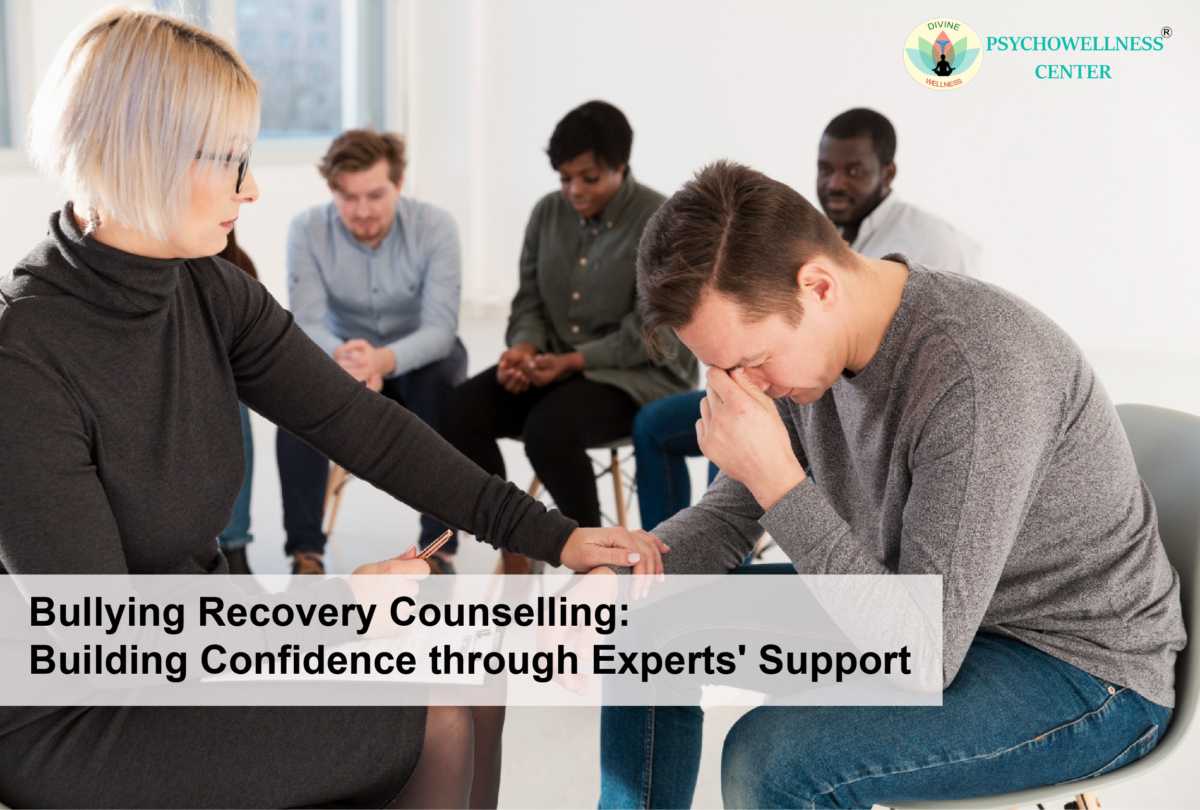
Bullying can leave deep emotional wounds that continue affecting individuals long after the actual experience has ended. Whether it occurs in schools, workplaces, social settings, or online environments, repeated negative experiences can influence emotional well-being, confidence, communication patterns, and overall quality of life. Many individuals who experience bullying often struggle silently, carrying emotional pain that affects their personal growth and emotional stability over time.
Recovery from bullying is not only about moving past difficult experiences; it is also about rebuilding self-confidence, emotional control, and a healthy sense of self. Professional counselling can play an important role in helping individuals process emotional pain, strengthen coping abilities, and regain emotional confidence in supportive and structured ways.
Understanding the Emotional Impact of Bullying
Experiences of bullying can significantly affect emotional and psychological well-being. Repeated criticism, humiliation, exclusion, or intimidation may gradually influence how individuals view themselves and interact with others. Many individuals exposed to bullying experience increased levels of stress, emotional insecurity, and emotional exhaustion. Over time, emotional distress may contribute to difficulties such as anxiety, emotional withdrawal, or reduced emotional confidence.
The emotional impact often extends beyond the bullying experience itself. Individuals may begin doubting their abilities, fearing social judgment, or avoiding situations that remind them of previous negative experiences.
How Bullying Affects Mental Health
Bullying can influence emotional functioning in several ways. Some individuals become emotionally withdrawn, while others experience emotional sensitivity, frustration, or emotional reactivity. Long-term bullying experiences may contribute to:
- Reduced self-esteem
- Emotional isolation and loneliness
- Difficulty trusting others
- Emotional exhaustion
- Fear of social interactions
Some individuals may also experience emotional symptoms associated with depression, emotional overwhelm, or reduced confidence in interpersonal situations. In more severe cases, ongoing emotional distress may contribute to symptoms associated with panic disorder or generalised anxiety disorder (GAD), particularly when individuals constantly fear criticism, rejection, or humiliation.
The Lasting Effects of Emotional Trauma
Bullying experiences are sometimes emotionally traumatic, especially when they involve repeated humiliation, rejection, or psychological intimidation. Experiences involving emotional abuse, cyberbullying, or prolonged social exclusion can deeply affect emotional development and emotional security.
For some individuals, unresolved emotional wounds related to bullying may contribute to symptoms associated with post-traumatic stress disorder (PTSD). Emotional triggers, fear responses, social avoidance, and emotional hypervigilance may continue even after the bullying experience has ended. Bullying-related emotional trauma may also affect future social interactions, emotional confidence, and communication abilities.
Social and Interpersonal Challenges After Bullying
Many individuals recovering from bullying struggle with social confidence and emotional trust. Fear of rejection or criticism may make it difficult to form healthy friendships or maintain emotional closeness with others. Bullying experiences may contribute to repeated interpersonal problem patterns, difficulty communicating personal needs, or emotional discomfort in social situations. Some individuals may isolate themselves emotionally to avoid future rejection or criticism. Bullying may also negatively affect personal relationship dynamics by creating fear of vulnerability, emotional insecurity, or emotional dependency.
Emotional Reactions During Recovery
Recovering from bullying often involves processing a wide range of emotions. Individuals may experience sadness, frustration, shame, confusion, or unresolved anger related to past experiences. Some individuals also struggle with emotional numbness, emotional exhaustion, or emotional detachment after prolonged emotional distress. Experiences of rejection or humiliation may reduce emotional energy and contribute to low motivation in academic, professional, or personal areas of life.
Building Confidence Through Counselling
Professional counselling helps individuals rebuild emotional confidence while improving emotional awareness and coping abilities. Therapy provides a safe and supportive space where individuals can express difficult emotions without fear of judgment. One important aspect of recovery involves developing assertiveness skills. Many individuals affected by bullying struggle to express personal boundaries or emotional needs confidently. Learning assertive communication helps individuals protect their emotional well-being while improving self-confidence. Therapy also supports healthier emotional control, helping individuals manage emotional triggers and emotional reactions more effectively.
The Role of Mindfulness in Emotional Recovery
Practicing mindfulness can be highly beneficial during bullying recovery. Mindfulness encourages individuals to focus on the present moment instead of remaining emotionally trapped in painful memories or future fears. Mindfulness practices may help reduce emotional reactivity, emotional tension, and emotional overwhelm. Deep breathing, grounding techniques, meditation, and guided relaxation exercises may also improve emotional awareness and emotional stability.
Addressing Grief and Emotional Loss
Bullying may also involve emotional experiences linked to grief and loss. Individuals sometimes grieve the loss of emotional safety, trust, confidence, friendships, or missed opportunities caused by bullying experiences. Acknowledging emotional pain is an important part of recovery. Counselling encourages emotional expression while helping individuals process painful experiences in healthier and more constructive ways. Therapy can also help individuals rebuild emotional hope, emotional trust, and confidence in future social experiences.
When Professional Support Becomes Important
While some individuals gradually recover with support from family and friends, others may continue struggling with emotional distress long after bullying experiences have ended.
Persistent emotional difficulties, social withdrawal, emotional overwhelm, or difficulty functioning in daily life may indicate the need for professional intervention. Many individuals seek support through psychological counselling in Delhi to improve emotional well-being and rebuild emotional confidence. Others consult a qualified psychologist to address trauma-related symptoms, emotional insecurity, or communication difficulties. Individuals searching for the Best Psychologists in Delhi can access professional mental health services focused on emotional healing, emotional resilience, and confidence-building. Many people also seek counselling in Delhi to improve coping abilities, social confidence, and emotional well-being after difficult life experiences.
Professional counselling services are available for individuals seeking emotional support and psychological guidance from the best psychologists in Dwarka in Janakpuri, Delhi, and Dwarka Sector 17, Delhi. For appointments or consultations, individuals may contact 011-47039812 or 7827208707. Early emotional support can significantly improve emotional healing and long-term psychological well-being.
Moving Forward with Emotional Strength
Recovering from bullying takes time, patience, and emotional support. Emotional healing does not happen instantly, but with the right guidance and coping strategies, individuals can gradually rebuild emotional confidence and emotional resilience. Counselling helps individuals recognise personal strengths, improve emotional awareness, and create healthier ways of responding to emotional challenges. Over time, individuals often become more emotionally confident, socially comfortable, and emotionally resilient.
Conclusion
Bullying can deeply affect emotional well-being, confidence, and overall mental health. However, recovery is possible with the right emotional support, coping strategies, and professional guidance. Through therapy, mindfulness practices, emotional awareness, and confidence-building techniques, individuals can gradually heal from emotional pain while rebuilding self-confidence and emotional resilience.
Professional support can make this recovery journey more manageable. Platforms like TalktoAngel provide accessible online counselling services, while Psychowellness Center offers professional in-person psychological support in Delhi. Together, they help individuals strengthen emotional well-being, improve coping abilities, and rebuild emotional confidence for healthier and more fulfilling lives.
Individuals interested in learning more about self-improvement, emotional well-being, and mindfulness can also explore educational mental health content and informative videos through the Psychowellness Center YouTube Channel.
Contributions: Dr. R.K. Suri, Clinical Psychologist, and Mr. Harshit Vaid , Counselling Psychologist
References
- American Psychiatric Association. Diagnostic and statistical manual of mental disorders (5th ed.). American Psychiatric Publishing.
- Beck, J. S. Cognitive behavior therapy: Basics and beyond (2nd ed.). Guilford Press.
- Coloroso, B. The bully, the bullied, and the not-so-innocent bystander. HarperCollins.
- Olweus, D. Bullying at school: What we know and what we can do. Blackwell Publishing.
- World Health Organization. Mental health and well-being. https://www.who.int/news-room/fact-sheets/detail/mental-health-strengthening-our-response