
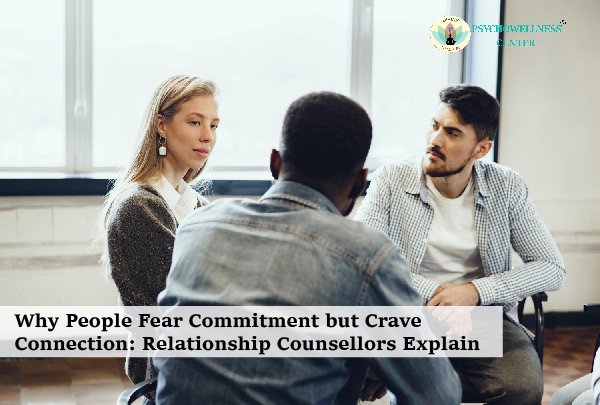
Human relationships are full of contradictions. One of the most common emotional paradoxes is this: people deeply crave love, closeness, and emotional connection, yet at the same time, many of them fear commitment.
They want companionship, emotional intimacy, and stability. But when a relationship starts becoming serious, they suddenly feel anxious, trapped, or uncertain. For some individuals, underlying stress, unresolved emotional conflicts, or past experiences of rejection can intensify these feelings. In certain cases, persistent fears surrounding commitment may also contribute to symptoms of anxiety or even depression, affecting both personal well-being and relationship satisfaction.
This push-and-pull dynamic can be confusing for both individuals and their partners. Relationship counsellors often see this pattern in therapy sessions, and it is more common than people realise. Understanding this conflict requires looking beyond behaviour and into psychology, attachment patterns, emotional experiences, and past relationship wounds.
The Emotional Paradox: Wanting Closeness but Fearing It
At the core of this issue is a psychological contradiction.
People want:
- Love and emotional security
- Validation and companionship
- Deep emotional intimacy
- Long-term partnership and marriage
But they also fear:
- Losing independence
- Getting hurt emotionally
- Being controlled or trapped
- Rejection or abandonment
- Emotional vulnerability
This creates an internal conflict where the mind simultaneously moves toward and away from intimacy. Over time, this struggle can contribute to feelings of loneliness, even when a person desires close relationships. This pattern is often linked to emotional history and early attachment experiences.
Attachment Styles and Fear of Commitment
One of the most important psychological explanations comes from attachment theory, developed by Bowlby and later expanded by Ainsworth. Attachment styles influence how people behave in relationships:
- Secure Attachment:- People feel comfortable with intimacy and independence. They trust relationships and communicate openly.
- Anxious Attachment:- Individuals crave closeness but fear abandonment. They may become overly dependent or emotionally reactive.
- Avoidant Attachment:- People desire independence so strongly that they avoid emotional closeness. Commitment may feel overwhelming or restrictive.
Fear of commitment is often linked to avoidant attachment or unresolved emotional insecurity. In some cases, ongoing family problem experiences during childhood can contribute to these attachment patterns.
Why People Crave Connection So Deeply
Despite fear, the human brain is biologically wired for connection. Psychologists have shown that belongingness is a fundamental human need. Emotional connection provides:
- Identity support
- Stress relief
- Meaning and purpose
This is why even individuals who avoid commitment still seek emotional closeness, companionship, or validation in some form. nHumans are not designed to be emotionally isolated. Many people seek support through friendships, partnerships, or even relationship coaching to better understand their emotional needs and interpersonal patterns.
Past Trauma and Emotional Self-Protection
Fear of commitment often develops as a protective mechanism.b People who have experienced:
- Breakup or betrayal
- Emotional neglect
- Unstable caregiving
- Toxic relationships
- Emotional abandonment
- Parental separation or divorce
As a result, when relationships start becoming serious, the brain triggers self-protection responses such as distancing, emotional withdrawal, or overthinking. This is not a conscious decision; it is an emotional survival response.
The Role of Fear of Loss of Independence
Another major reason people fear commitment is the belief that relationships will limit freedom.
Some individuals associate commitment with:
- Loss of personal identity
- Reduced autonomy
- Increased responsibility
- Emotional pressure
However, healthy relationships are not about restriction; they are about balance between connection and individuality. When boundaries are healthy, commitment does not reduce freedom; it enhances emotional stability and strengthens both personal and relational growth
Anxiety, Overthinking, and Emotional Uncertainty
Many individuals struggling with anxiety experience fear of commitment due to excessive overthinking.
They may constantly question:
- “Am I making the right decision?”
- “What if I regret this later?”
- “What if I get hurt?”
- “What if I lose myself in this relationship?”
Relationship counsellors often help individuals identify these thought patterns and develop emotional clarity. Techniques such as mindfulness can be especially helpful in reducing overthinking and improving emotional awareness.
Commitment Issues in Modern Dating Culture
Modern dating has also influenced how people approach relationships. With social media, dating apps, and constant access to alternatives, many individuals:
- Fear of missing out on “better options”
- Struggle with long-term focus
- Experience relationship comparison
- Avoid emotional depth
This can lead to shallow emotional connections and difficulty sustaining long-term commitment. The abundance of choice sometimes creates emotional confusion rather than clarity.
Emotional Intimacy vs Emotional Safety
People often confuse emotional intimacy with emotional risk. True intimacy requires vulnerability, which can feel uncomfortable for those who have been emotionally hurt before.
However, avoidance of intimacy can lead to:
- Emotional loneliness
- Repeated short-term relationships
- Lack of emotional depth
- Difficulty forming secure bonds
Healthy intimacy also contributes to overall sexual wellness, as emotional trust and connection often influence satisfaction and comfort within romantic relationships. Building emotional safety through trust, communication, and consistency is key to overcoming fear of commitment.
How Counselling Helps Resolve Commitment Fears
Relationship counselling helps individuals understand the root cause of their emotional patterns.
Therapists work on:
- Identifying attachment styles
- Healing past emotional wounds
- Improving communication skills
- Managing relationship anxiety
- Building emotional regulation skills
- Developing secure relationship patterns
With support, individuals can learn that commitment does not have to mean emotional loss—it can mean emotional growth.
Healing the Fear-Connection Conflict
Overcoming fear of commitment does not mean forcing yourself into relationships. It means understanding your emotional needs clearly.
Healing involves:
- Building self-awareness
- Learning emotional regulation
- Developing trust gradually
- Setting healthy boundaries
- Challenging negative beliefs about relationships
As emotional security increases, the fear of commitment naturally reduces. Whether through couples counselling, self-reflection, or professional support such as relationship coaching, individuals can develop healthier and more fulfilling connections.
Conclusion
Fear of commitment and the desire for connection often coexist, creating emotional challenges that can affect relationship satisfaction and personal well-being. Understanding the psychological factors behind these patterns can help individuals develop healthier relationship habits, improve emotional awareness, and build greater confidence in forming meaningful connections. Counselling can provide valuable support in addressing attachment concerns, relationship anxiety, and unresolved emotional experiences.
Individuals seeking support for commitment-related concerns, relationship difficulties, or emotional well-being may consider consulting the Psychowellness Center. Those searching for relationship counselling near me, the best marriage counsellor in Delhi, or a psychologist in Delhi NCR can access structured and confidential psychological services. With centres located in Janakpuri and Dwarka Sec-17, Delhi, appointments can be scheduled at 011-47039812 or 7827208707. For additional guidance on relationships, emotional wellness, and mental health, individuals may also explore the Psychowellness Center YouTube Channel for expert-led insights and resources.
Contributions: Dr. R.K. Suri, Clinical Psychologist, and Ms. Mansi , Counselling Psychologist
References
- Bowlby, John. (1988). A secure base: Parent-child attachment and healthy human development. Basic Books