
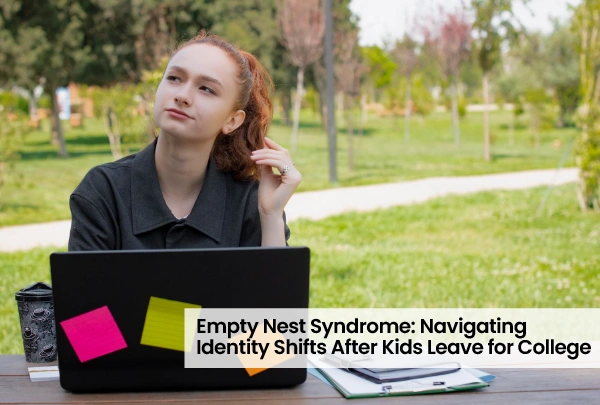
Watching a child leave for college is a proud and emotional milestone for many parents. Years of nurturing, guiding, and supporting a child’s growth culminate in a moment that symbolizes independence and new beginnings. While this transition is often celebrated, it can also bring unexpected emotional challenges for parents. As children move away to pursue higher education or careers, many parents experience a profound sense of loss, uncertainty, and changes in their daily routines. This emotional experience is commonly referred to as Empty Nest Syndrome.
Although Empty Nest Syndrome is not a formal mental health diagnosis, it can significantly affect emotional well-being, personal identity, family dynamics, and overall quality of life. Parents who have devoted much of their lives to raising their children may suddenly find themselves questioning their purpose and adjusting to a quieter home. Understanding these emotional changes and adopting healthy coping strategies can help individuals navigate this life transition with resilience and renewed meaning.
Understanding the Emotional Transition
For many parents, raising children becomes one of the most meaningful roles in life. When children leave home, the sudden reduction in daily caregiving responsibilities may lead to increased stress as parents adjust to unfamiliar routines and changing family dynamics.
Some individuals experience heightened anxiety, worrying about their child’s safety, academic success, health, finances, or ability to manage independent living. While occasional concern is natural, persistent worry may interfere with emotional well-being and daily functioning.
Others may experience depression, particularly if their sense of identity has been closely tied to caregiving. Feelings of sadness, emptiness, loss of purpose, fatigue, or withdrawal from previously enjoyable activities may gradually emerge during this adjustment period.
Individuals already living with generalised anxiety disorder (GAD) may find this life transition especially challenging, as uncertainty surrounding their child’s future can intensify existing patterns of excessive worry.
Adjusting to a Quieter Home
One of the most common emotional experiences associated with Empty Nest Syndrome is loneliness. Homes that were once filled with conversations, shared meals, academic schedules, and family activities may suddenly feel unusually quiet.
The absence of daily interactions often creates opportunities for reflection, but it may also highlight emotional gaps that were previously unnoticed. Parents may miss routine caregiving tasks, spontaneous conversations, and family traditions that once structured everyday life.
While these feelings are entirely understandable, recognising loneliness as a temporary adjustment rather than a permanent condition allows parents to actively rebuild meaningful routines and social connections.
Rediscovering Personal Identity
Parenthood is an important part of personal identity, but it is only one aspect of an individual’s life. Once children become more independent, parents have an opportunity to rediscover personal interests, values, aspirations, and long-term ambitions.
Developing meaningful goal-setting practices can help individuals create a renewed sense of direction. Goals may include pursuing further education, volunteering, learning new skills, strengthening friendships, travelling, exploring hobbies, or advancing professional careers. Rather than viewing the transition as the end of an important life chapter, many parents eventually recognise it as the beginning of a new phase focused on personal growth and fulfilment.
Managing Emotional Reactions
Emotional adjustment rarely follows a predictable path. Parents may experience a combination of sadness, pride, excitement, worry, relief, and uncertainty simultaneously. Some individuals may express anger, particularly if they feel unprepared for the transition or perceive that family relationships have changed unexpectedly. Others may become frustrated with themselves for struggling emotionally despite feeling proud of their child’s accomplishments.
Periods of low motivation are also common during major life transitions. Activities that once provided enjoyment may temporarily seem less meaningful as individuals adapt to new routines. Developing healthy coping strategies, maintaining regular schedules, engaging in enjoyable activities, and gradually increasing social involvement often help restore emotional balance.
Learning Healthy Communication
As children mature into independent young adults, the parent-child relationship naturally evolves. Communication shifts from daily supervision to mutual respect, guidance, and emotional support. Developing assertiveness helps parents express their feelings, expectations, and concerns honestly while respecting their child’s growing independence. Healthy communication encourages openness without becoming controlling or overly dependent.
Improving emotion control also supports healthier interactions during this transition. Rather than reacting impulsively to feelings of sadness or worry, emotionally regulated responses strengthen trust while allowing adult children to develop confidence in their own decision-making abilities.
Creating New Daily Routines
Establishing meaningful routines is one of the most effective ways to adapt to an empty nest. Predictable daily activities provide structure while reducing emotional uncertainty.
Helpful lifestyle changes may include:
- exercising regularly
- pursuing creative hobbies
- volunteering within the community
- reconnecting with friends
- participating in educational courses
- maintaining consistent sleep routines
- exploring travel opportunities
- strengthening marital relationships
- joining support groups
- practising gratitude journaling
These activities encourage emotional resilience while helping individuals rediscover personal fulfilment beyond caregiving responsibilities.
Finding Balance Through Present-Moment Awareness
Practising mindfulness helps individuals accept emotional experiences without becoming overwhelmed by them. Instead of dwelling on the past or constantly worrying about the future, mindfulness encourages awareness of the present moment with openness and self-compassion.
Simple mindfulness exercises such as deep breathing, meditation, mindful walking, yoga, or reflective journaling reduce emotional distress while improving overall psychological well-being. Parents who regularly practice mindfulness often report greater acceptance of life transitions, improved emotional flexibility, and stronger resilience during periods of change.
The Continuing Role of Parents
Although children become increasingly independent after leaving for college, the role of parenting does not end. Instead, it evolves into one focused on guidance, encouragement, emotional support, and mutual respect. Parents continue serving as important sources of wisdom, reassurance, and stability while allowing their children to develop confidence through independent decision-making.
In order to support the development of children and adolescents in late adolescence and emerging adulthood, it is important to strike a balance between respect for autonomy and emotional availability. Maintaining open communication while encouraging independence strengthens long-term family relationships.
When Professional Support Can Help
While many parents gradually adapt to this transition, some continue experiencing significant emotional distress that interferes with daily functioning, relationships, work, or overall quality of life. Professional counselling provides a supportive environment where individuals can process emotions, explore changing identities, strengthen coping skills, and develop healthy adjustment strategies. Therapy may also improve family communication and strengthen marital relationships during this important life stage.
Individuals searching for Family Counseling near me, looking for a Counseling Center Near me, or seeking a counsellor near me can benefit from evidence-based psychological interventions designed to support healthy adjustment during major family transitions.
Conclusion
Empty Nest Syndrome is a natural emotional response to an important family transition rather than a sign of weakness or failure. Although the departure of children for college often brings feelings of sadness, uncertainty, and identity shifts, it also creates opportunities for personal growth, renewed purpose, and stronger relationships. By embracing change with self-compassion, developing meaningful routines, and seeking support when needed, parents can successfully navigate this new stage of life while maintaining fulfilling relationships with their adult children.
Professional psychological support is available through TalktoAngel, an online counselling platform, and Psychowellness Center, which offers comprehensive mental health services. Both Janakpuri, Delhi, and Dwarka Sector 17, Delhi, offer comprehensive psychological therapy. For appointments or further information, individuals may contact 📞 011-47039812 or 📞 7827208707. Seeking professional support early can help parents adjust to changing family roles, strengthen emotional resilience, develop healthy coping strategies, and encourage healthier patterns of thinking, behaviour, and overall well-being during this important life transition. On the Psychowellness Center YouTube channel, you may watch more instructional films and learn more about mindfulness and self-improvement.
Contributions: Dr. R.K. Suri, Clinical Psychologist, and Ms. Harshit, Counselling Psychologist
References
- American Psychiatric Association. (2022). Diagnostic and statistical manual of mental disorders (5th ed., text rev.). American Psychiatric Association Publishing.
- Carter, B., & McGoldrick, M. (2019). The expanded family life cycle: Individual, family, and social perspectives (5th ed.). Pearson.
- Corey, G. (2021). Theory and practice of counseling and psychotherapy (10th ed.). Cengage Learning.
- Papalia, D. E., & Martorell, G. (2021). Experience human development (15th ed.). McGraw-Hill Education.
- World Health Organization. (2022). World mental health report: Transforming mental health for all. World Health Organization.