
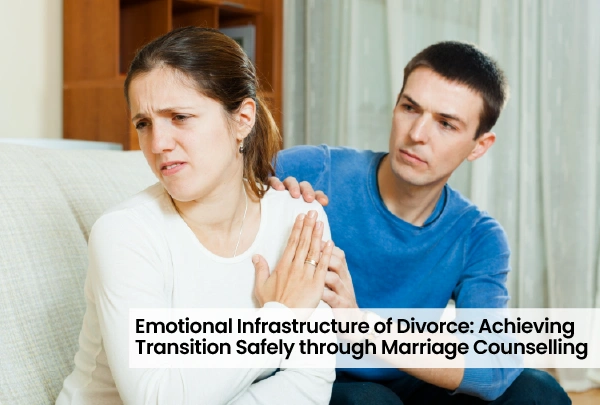
Divorce is often viewed as a legal process that marks the end of a marriage. However, beneath the legal paperwork lies a complex emotional journey that can significantly impact an individual’s mental health, relationships, and future well-being. This unseen psychological framework is known as the emotional infrastructure of divorce, the thoughts, emotions, coping mechanisms, support systems, and personal resilience that help individuals navigate one of life’s most challenging transitions.
While divorce can be painful, it does not have to become emotionally destructive. With the support of professional marriage counselling, individuals and couples can process difficult emotions, communicate effectively, and make informed decisions that promote healing rather than prolonged conflict. Marriage counselling is not solely aimed at saving a relationship; it also facilitates healthy separation when reconciliation is no longer possible.
Understanding the Emotional Infrastructure of Divorce
The internal and external resources that assist people in adjusting to separation are referred to as the emotional infrastructure of divorce. These include emotional control, communication skills, self-awareness, family support, financial planning, and access to professional mental health services.
Divorce often triggers a wide range of emotions, including grief, anger, guilt, fear, shame, loneliness, anxiety, and uncertainty. Many people experience these emotions simultaneously, making it difficult to function effectively in daily life. Without adequate support, unresolved emotions may contribute to depression, chronic stress, substance misuse, parenting difficulties, and long-term relationship problems.
Children are equally affected by marital conflict and separation. When parents struggle to communicate respectfully, children may experience confusion, emotional insecurity, academic difficulties, and behavioural changes. Therefore, strengthening the emotional infrastructure before, during, and after divorce benefits every member of the family.
Why Marriage Counselling Matters During Divorce
Contrary to popular belief, marriage counselling is valuable even when divorce appears inevitable. A trained psychologist or marriage counsellor creates a safe, confidential environment where both partners can express their concerns without judgment.
Professional counselling helps couples:
- Improve communication during emotionally charged discussions.
- Understand the underlying causes of marital conflict.
- Process grief, disappointment, and unresolved emotions.
- Reduce hostility and blame.
- Develop healthy co-parenting strategies.
- Make thoughtful decisions regarding separation or reconciliation.
- Protect children’s emotional well-being throughout the transition.
Rather than encouraging one specific outcome, counselling focuses on helping individuals make decisions based on clarity rather than emotional overwhelm.
The Emotional Stages of Divorce
Most individuals experience divorce similarly to other significant losses. Although everyone’s journey is unique, common emotional stages include:
Denial
Initially, one or both partners may struggle to accept that the relationship has ended. They may hope circumstances will change despite ongoing conflict.
Anger
Feelings of betrayal, resentment, injustice, or disappointment frequently emerge. Without healthy coping strategies, anger may interfere with productive communication.
Bargaining
Individuals may attempt to negotiate or make significant personal changes in hopes of repairing the relationship. Counselling helps distinguish genuine change from fear-driven reactions.
Depression
Sadness, loneliness, reduced motivation, sleep disturbances, and anxiety are common during this phase. Professional psychological support helps individuals process these emotions safely.
Acceptance
Acceptance does not mean forgetting the relationship. Instead, it reflects emotional adjustment, allowing individuals to move forward with greater resilience and confidence.
Building a Healthy Emotional Transition
Successfully navigating divorce involves more than finalizing legal proceedings. Individuals benefit from developing practical emotional skills that support long-term well-being.
Some important protective factors include:
- Practising emotional awareness rather than suppressing feelings.
- Learning healthy conflict-resolution techniques.
- Maintaining supportive relationships with trusted family and friends.
- Establishing realistic expectations for life after divorce.
- Prioritising self-care through sleep, nutrition, physical activity, and relaxation.
- Seeking professional psychological support from best relationship psychologists in Delhi NCR, best couples counselors in Dwarka, and best marriage counselors near me when emotions become overwhelming.
- Developing effective co-parenting plans that prioritise children’s needs over parental conflict.
These strategies reduce emotional distress and promote healthier adjustment over time.
The Importance of Professional Guidance
Many individuals delay seeking counselling because they fear being judged or believe asking for help indicates weakness. In reality, reaching out for professional support demonstrates emotional strength and a commitment to personal growth.
Evidence-based therapeutic approaches such as Cognitive Behavioral Therapy (CBT), Emotionally Focused Therapy (EFT), Solution-Focused Brief Therapy (SFBT), and family therapy help individuals better understand emotional patterns, improve communication, regulate stress, and rebuild confidence after separation.
Professional guidance is especially important when divorce involves:
- High-conflict relationships
- Domestic emotional abuse
- Infidelity
- Intimacy issues
- Parenting disagreements
- Financial stress
- Anxiety or depressive symptoms
- Significant life transitions
Early intervention often prevents emotional distress from becoming chronic and improves long-term psychological outcomes.
How Psychowellness Center Can Help
Psychowellness Center provides comprehensive psychological services for individuals, couples, and families experiencing relationship difficulties, marital conflict, separation, and divorce. The multidisciplinary team offers evidence-based counselling tailored to each client’s emotional and interpersonal needs. Services include marriage counselling, couples therapy, family counselling, individual psychotherapy, stress management, and emotional wellness programs delivered in a confidential and compassionate environment.
If you or someone you know is struggling with marital challenges or the emotional impact of divorce, professional support is available at:
Janakpuri Clinic
Phone: 011-47039812 / 7827208707
Dwarka Sector-17 Clinic
Phone: 011-47039812 / 7827208707
Conclusion
Divorce is not merely the end of a marriage; it is a profound emotional transition that reshapes identity, relationships, and future aspirations. Building a strong emotional infrastructure enables individuals to navigate this change with resilience, dignity, and hope. Marriage counselling plays a vital role in helping couples communicate effectively, make informed decisions, minimise emotional harm, and prioritise the well-being of both partners and children.
Healing is rarely immediate, but with professional guidance, emotional awareness, and appropriate support systems, divorce can become a transition toward healthier relationships, personal growth, and renewed emotional well-being.
Contributions: Dr. R.K. Suri, Clinical Psychologist, and Ms. Sakshi Dhankhar, Counselling Psychologist
References
Amato, P. R. (2010). Research on divorce: Continuing trends and new developments. Journal of Marriage and Family, 72(3), 650–666. https://doi.org/10.1111/j.1741-3737.2010.00723.x
https://www.psychowellnesscenter.com/Blog/divorce-counselling-healing-beyond-legal-separation/
https://www.psychowellnesscenter.com/Blog/loneliness-of-divorce-mens-mental-health-journey/
https://www.psychowellnesscenter.com/Blog/understanding-the-importance-of-pre-divorce-counseling/
https://www.psychowellnesscenter.com/Blog/marriage-counselling-for-couples-on-the-brink-of-divorce/
Lebow, J. L., Chambers, A. L., Christensen, A., & Johnson, S. M. (2012). Research on the treatment of couple distress. Journal of Marital and Family Therapy, 38(1), 145–168. https://doi.org/10.1111/j.1752-0606.2011.00249.x
Walsh, F. (2016). Strengthening family resilience (3rd ed.). Guilford Press.