
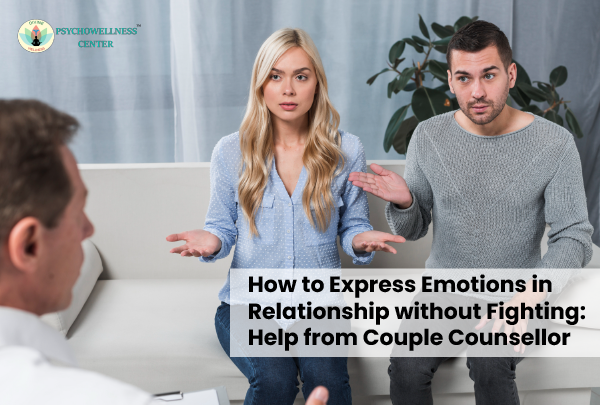
Healthy relationships are not defined by the absence of conflict, but by how partners handle their emotions during difficult moments. Many couples struggle with expressing feelings without arguments escalating into hurtful exchanges. When emotions are not communicated effectively, misunderstandings grow, resentment builds, and emotional distance increases. Learning how to express emotions calmly and constructively is essential for maintaining a strong and fulfilling relationship.
This is where guidance from a couple counsellor, such as professionals at Psychowellness Center, can play a transformative role in helping individuals and partners communicate better and strengthen their bond.
Why Expressing Emotions Feels Difficult
Before learning how to communicate better, it is important to understand why emotional expression often leads to conflict:
- Fear of judgment or rejection
- Past unresolved conflicts
- Poor communication habits learned over time
- Difficulty regulating intense emotions like anger or hurt
- Assumptions and misinterpretations
When emotions are bottled up, they often come out in the form of anger, criticism, or withdrawal, leading to unnecessary fights.
The Importance of Healthy Emotional Expression
Expressing emotions in a respectful way helps build:
- Trust and emotional safety
- Deeper understanding between partners
- Stronger emotional connection
- Reduced misunderstandings and resentment
Healthy communication allows both partners to feel heard, valued, and respected, even during disagreements.
Practical Ways to Express Emotions Without Fighting
1. Pause Before Reacting
When emotions run high, immediate reactions can be impulsive and hurtful. Taking a moment to pause helps you respond thoughtfully rather than react emotionally.
2. Use “I” Statements Instead of Blame
Instead of saying, “You never listen to me,” try, “I feel unheard when I try to share something important.” This reduces defensiveness and keeps the conversation constructive.
3. Choose the Right Time and Place
Discuss sensitive topics when both partners are calm and not distracted. Timing plays a crucial role in how a conversation unfolds.
4. Practice Active Listening
Listening is just as important as speaking. Pay attention to your partner’s words, validate their feelings, and avoid interrupting.
5. Avoid Bringing Up the Past
Focusing on old mistakes can escalate conflicts. Stick to the current issue to prevent unnecessary arguments.
6. Regulate Your Emotions
Learn to manage anger, frustration, or sadness before expressing them. Techniques like deep breathing or mindfulness can help maintain composure.
7. Be Honest but Gentle
Honesty is important, but delivery matters. Express your feelings respectfully without being harsh or critical.
8. Acknowledge Your Partner’s Perspective
Even if you disagree, recognizing your partner’s feelings shows empathy and strengthens connection.
9. Take Breaks When Needed
If a conversation becomes too intense, taking a short break can help both partners cool down and return with a clearer mindset.
10. Focus on Solutions, Not Winning
The goal of communication is understanding, not proving who is right. Work together to find solutions that benefit both partners.
Common Communication Mistakes to Avoid
- Criticism and personal attacks
- Defensiveness and refusing to listen
- Stonewalling or shutting down
- Using sarcasm or disrespectful language
These patterns can damage trust and make emotional expression feel unsafe.
When to Seek Help from a Couple Counsellor
Sometimes, despite best efforts, couples find themselves stuck in repetitive conflicts. Seeking professional help from the best relationship counselors near me and best marriage counselors near me is not a sign of failure but a step toward growth.
You may consider counselling if:
- Arguments are frequent and unresolved
- Communication often turns into conflict
- There is emotional distance or disconnection
- Trust issues or past hurts remain unresolved
- One or both partners feel unheard or misunderstood
Role of Psychowellness Center in Strengthening Relationships
Psychowellness Center offers professional support to couples who want to improve communication and emotional connection. Their experienced psychologists and counsellors provide a safe and non-judgmental space where partners can openly express their feelings and concerns.
How Psychowellness Center Helps:
- Improving Communication SkillsCouple counsellors guide partners in learning effective communication techniques, including active listening, emotional expression, and conflict resolution.
- Identifying Underlying IssuesMany conflicts stem from deeper emotional needs or past experiences. Therapists help uncover and address these root causes.
- Teaching Emotional RegulationClients learn strategies to manage anger, anxiety, depression, trauma, personality issues, intimacy issues, and frustration, enabling healthier interactions.
- Rebuilding Trust and IntimacyThrough structured interventions, couples can rebuild trust and reconnect emotionally.
- Personalized Therapy ApproachesThe center uses evidence-based techniques such as Cognitive Behavioral Therapy (CBT), Emotionally Focused Therapy (EFT), and mindfulness practices tailored to each couple’s needs.
- Supporting Individual GrowthHealthy relationships start with self-awareness. Individual sessions help partners understand their own emotional patterns and triggers.
Benefits of Learning Healthy Emotional Expression
When couples learn to express emotions without fighting, they experience:
- Greater emotional closeness
- Improved problem-solving abilities
- Increased respect and understanding
- Reduced stress and conflict
- Stronger, more resilient relationships
Building a Safe Emotional Space
A healthy relationship is one where both partners feel safe to express themselves without fear of criticism or rejection. This requires consistent effort, patience, and willingness from both sides.
Simple habits like checking in with each other, expressing appreciation, and validating feelings can go a long way in creating emotional safety.
Moving Toward a Healthier Relationship
Improving communication is a continuous process. It involves unlearning unhealthy patterns and practicing new, constructive ways of expressing emotions. While it may feel challenging initially, small changes can lead to significant improvements over time.
With the right guidance and support from professionals at Psychowellness Center, couples can transform conflicts into opportunities for growth and connection.
Conclusion
Expressing emotions without fighting is not about avoiding disagreements but about handling them with respect, empathy, and understanding. By developing healthy communication habits and seeking professional help when needed, couples can strengthen their relationship and build a deeper emotional bond.
If you and your partner are struggling with communication, reaching out for a couple counselling at Psychowellness Center can provide the tools and support needed to navigate challenges effectively and create a more harmonious relationship.
Contributions: Dr. R.K. Suri, Clinical Psychologist, and Ms. Riya Rathi, Counselling Psychologist
References
American Psychological Association. (2020). Building and maintaining healthy relationships. https://www.apa.org
https://www.psychowellnesscenter.com/Blog/how-counselling-improves-communication-between-couples/
https://www.psychowellnesscenter.com/Blog/effective-ways-to-express-your-feelings/
Gottman, J. M., & Silver, N. (2015). The seven principles for making marriage work. Harmony Books.
Greenberg, L. S., & Johnson, S. M. (1988). Emotionally focused therapy for couples. Guilford Press.
Johnson, S. M. (2019). Attachment theory in practice: Emotionally focused therapy (EFT) with individuals, couples, and families. Guilford Press.