
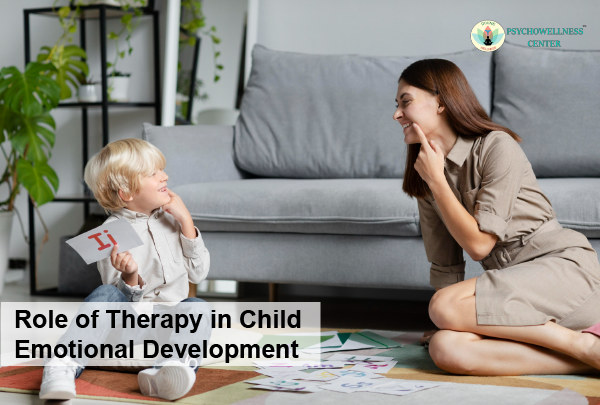
Childhood is a critical period for emotional growth and psychological development. During these formative years, children learn how to understand their feelings, regulate emotions, build relationships, and respond to challenges. However, not all children develop these skills naturally or without difficulty. Emotional struggles such as anxiety, behavioral issues, trauma, or social difficulties can impact their overall well-being. This is where therapy plays a vital role. Seeking Best child Counselling in Delhi can provide children with the support they need to grow into emotionally resilient individuals.
Understanding Emotional Development in Children
The ability of a child to recognize, communicate, and effectively control their emotions is referred to as emotional development. It also includes empathy, self-awareness, and the ability to form healthy relationships. These skills are essential for success in school, friendships, and later in life.
When emotional development is disrupted due to factors such as family conflict, academic pressure, bullying, or developmental challenges children may exhibit signs like aggression, withdrawal, anxiety, or low self-esteem. Early intervention through therapy can help address these issues before they escalate.
Why Therapy is Important for Children
Therapy provides a safe and supportive environment where children can express themselves freely. A trained child Counsellor uses age-appropriate techniques to help children process emotions, understand their experiences, and develop coping strategies.
Here are some key reasons why therapy is crucial for child emotional development:
1. Enhancing Emotional Awareness
Children often struggle to articulate their feelings. Therapy helps them identify and label emotions, which is the first step toward emotional control.
2. Building Coping Skills
Therapists teach children how to manage stress, anxiety, and frustration in healthy ways. These coping mechanisms are essential for handling life’s challenges.
3. Improving Behavior
Unfulfilled emotional demands are frequently the root cause of behavioral issues. Therapy addresses the root causes of these behaviors and helps children adopt more positive responses.
4. Strengthening Social Skills
Through therapy, children learn how to communicate effectively, resolve conflicts, and build meaningful relationships with peers and family members.
5. Supporting Trauma Recovery
Children who have experienced trauma, loss, or significant life changes benefit greatly from therapeutic intervention. Therapy helps them process these experiences in a safe and structured way.
Types of Therapy Used for Children
Child therapy is tailored to suit the developmental stage and specific needs of the child. Some commonly used approaches include:
- Play Therapy: uses play as a means of communication and expression.
- Cognitive Behavioral Therapy (CBT): helps kids in recognizing and altering harmful mental patterns.
- Art Therapy: Encourages emotional expression through creative activities.
- Family Therapy: Involves family members to improve communication and relationships.
Choosing the Best child Counsellor Near me ensures that your child receives the most appropriate and effective therapeutic approach.
Signs Your Child May Need Therapy
Parents often wonder when it is the right time to seek professional help. Some common signs include:
- Persistent sadness or anxiety
- Sudden changes in behavior
- Difficulty in school or declining academic performance
- Social withdrawal or difficulty making friends
- Frequent tantrums or aggression
- Trouble coping with major life changes
If these signs are observed, consulting a professional through Best Child Counselling in Dwarka can make a significant difference in your child’s emotional well-being.
Benefits of Child Counselling in Dwarka
Dwarka has become a prominent center for quality mental health services for children. Seeking support from the Best child Counsellor in Jankapuri offers several advantages:
- Access to experienced child psychologists
- Child-friendly therapeutic environments
- Personalized treatment plans
- Convenient location for families
Therapists in Dwarka focus on creating a comfortable space where children feel safe to express themselves without fear or pressure.
Importance of Child Counselling in Janakpuri
Janakpuri is another well-known area in Delhi offering professional child counselling services. Choosing the Best child Counsellor in Dwarka ensures access to expert care tailored to your child’s needs.
Benefits include:
- Comprehensive psychological assessments
- Evidence-based therapeutic techniques
- Support for a wide range of emotional and behavioral issues
- Easy accessibility for West Delhi residents
Counselling centers located in Janakpuri and Dwarka Sector 17, Delhi, provide structured programs to support children and their families. Parents can contact 011-47039812 / 7827208707 to book appointments and begin the therapeutic process.
Role of Parents in Therapy
Parental involvement is crucial in a child’s therapeutic journey. Therapists often work closely with parents to ensure consistency and support at home. Parents are guided on:
- Effective communication with their child
- Reinforcing positive behaviors
- Creating a supportive home environment
- Understanding their child’s emotional needs
When parents and therapists collaborate, the outcomes of therapy are significantly enhanced.
Long-Term Impact of Therapy on Emotional Development
Therapy not only addresses immediate concerns but also equips children with lifelong skills. These include:
- Emotional resilience
- Better self-esteem
- Improved relationships
- Effective problem-solving abilities
- Enhanced academic and social performance
By investing in therapy early, parents can help their children build a strong emotional foundation that benefits them throughout life.
Overcoming Stigma Around Child Therapy
Despite growing awareness, some parents hesitate to seek therapy due to stigma or misconceptions. It is important to understand that therapy is not a sign of weakness but a proactive step toward well-being.
Just as children need medical care for physical health, they also need psychological support for emotional health. Seeking help from a qualified child therapists ensures that children receive the care they need to thrive.
Conclusion
Therapy plays a transformative role in shaping a child’s emotional development. It helps children understand themselves, manage their emotions, and build healthy relationships. Services offering the best child counselling in India, particularly in Janakpuri and Dwarka Sector 17, provide accessible and professional support for children and families.
Psychowellness Center is recognized for its dedicated team of child psychologists who provide personalized and evidence-based interventions to support children’s emotional growth. TalktoAngel, a trusted online counselling platform, offers convenient and confidential therapy services, making professional help easily accessible to families.
If you notice emotional or behavioral concerns in your child, don’t wait. Reach out today at 011-47039812 / 7827208707 and take the first step toward nurturing your child’s emotional well-being.
Contributions: Dr. R.K. Suri, Clinical Psychologist, and Ms. Tanu Sangwan, Counselling Psychologist
References
https://www.psychowellnesscenter.com/Blog/kid-therapy-supporting-emotional-development-early/
https://www.psychowellnesscenter.com/Blog/kids-therapists-near-me-to-support-child-development/
American Psychological Association. (2020). Understanding child psychotherapy. American Psychological Association.
Beck, J. S. (2011). Cognitive behavior therapy: Basics and beyond (2nd ed.). Guilford Press.
Landreth, G. L. (2012). Play therapy: The art of the relationship (3rd ed.). Routledge.
Piaget, J. (1952). The origins of intelligence in children. International Universities Press.
Schaefer, C. E., & Drewes, A. A. (2014). The therapeutic powers of play: 20 core agents of change. Wiley.