
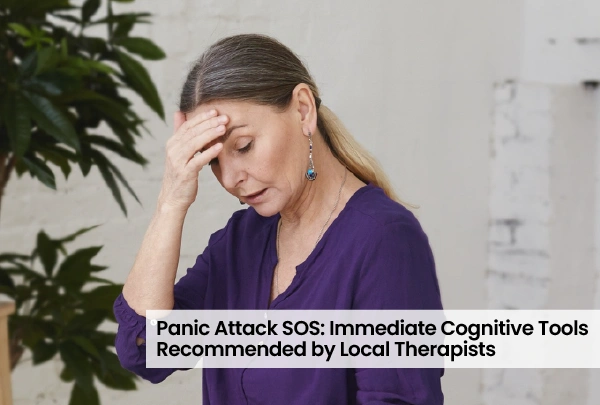
A panic attack can be one of the most frightening psychological experiences an individual may face. The sudden onset of intense fear, rapid heartbeat, dizziness, chest tightness, trembling, sweating, and a feeling of losing control often leads people to believe they are experiencing a medical emergency. Although panic attacks are usually not life-threatening, they can be extremely distressing and may significantly affect daily functioning if they occur repeatedly.
Learning practical cognitive tools can help individuals respond more effectively during a panic attack while reducing the fear associated with future episodes. These techniques are not intended to replace professional treatment but can serve as immediate coping strategies until appropriate psychological care is available. With the right guidance and consistent practice, individuals can regain confidence, reduce panic symptoms, and improve their overall emotional well-being.
Understanding the Body’s Alarm System
When the brain perceives danger, it activates the body’s fight-or-flight response. This automatic survival mechanism increases heart rate, breathing, muscle tension, and alertness. During a panic attack, however, this response occurs even when there is no immediate physical threat. High levels of stress often make individuals more vulnerable to panic attacks because prolonged activation of the nervous system lowers the body’s ability to recover from emotional strain.
Persistent anxiety may further increase sensitivity to normal physical sensations such as increased heart rate or shortness of breath. These harmless bodily changes may then be misinterpreted as signs of serious illness, creating a cycle that intensifies panic.
Some individuals experiencing depression may also report panic symptoms, particularly when emotional distress becomes overwhelming or is accompanied by feelings of hopelessness and helplessness. Chronic concern is a common symptom of generalised anxiety disorder (GAD), which raises physiological arousal and increases the likelihood of panic episodes at times of elevated emotional stress.
Recognising Common Panic Symptoms
Panic attacks often begin suddenly and reach their peak within several minutes. Common symptoms include:
- rapid heartbeat
- chest discomfort
- dizziness
- trembling
- sweating
- nausea
- tingling sensations
- difficulty breathing
- fear of losing control
- fear of dying
- feeling detached from reality
Although these symptoms are frightening, they usually decrease naturally as the body’s stress response gradually subsides. Fear during subsequent occurrences can be lessened by realizing that panic attacks are transient.
Cognitive Reframing During Panic
One of the most effective immediate interventions involves changing the interpretation of physical sensations. Rather than thinking, “Something terrible is happening,” individuals are encouraged to replace catastrophic thoughts with realistic alternatives such as:
- “This feeling is temporary.”
- “My body is responding to fear.”
- “I have experienced this before and recovered.”
- “These sensations are uncomfortable but not dangerous.”
This process interrupts the cycle in which fearful thoughts intensify physical symptoms and vice versa. Repeated practice strengthens confidence and gradually reduces panic-related fear.
Grounding the Mind in the Present
During a panic attack, attention often becomes narrowly focused on frightening physical sensations. Grounding exercises help redirect attention toward the present environment. One widely recommended strategy is the 5-4-3-2-1 technique:
- Identify five things you can see.
- Notice four things you can touch.
- Listen for three sounds.
- Recognise two scents.
- Identify one taste.
These sensory exercises reduce mental overwhelm by reconnecting individuals with their immediate surroundings instead of catastrophic thoughts. Practising grounding regularly also increases emotional resilience outside panic episodes.
Breathing With Awareness
Many individuals unintentionally begin breathing rapidly during panic attacks, which may increase dizziness, tingling sensations, and chest discomfort. Instead of attempting to eliminate symptoms immediately, focus on slow, controlled breathing:
- inhale gently through the nose
- pause briefly
- exhale slowly through the mouth
- repeat at a comfortable pace
Controlled breathing helps regulate physiological arousal while signalling safety to the nervous system. Combining breathing exercises with calm self-talk often improves effectiveness.
Managing Emotional Responses
Repeated panic attacks may contribute to loneliness, particularly when individuals begin avoiding social situations due to fear of experiencing another episode in public. Developing realistic goal-setting strategies helps individuals gradually re-engage in avoided situations. Rather than attempting dramatic changes, therapy often encourages small, achievable behavioural goals that build confidence over time.
Some individuals become frustrated with themselves following repeated panic attacks, leading to increased anger or self-criticism. Recognising that panic attacks are involuntary physiological responses—not personal failures—reduces unnecessary emotional distress. Periods of low motivation may also occur when panic symptoms interfere with work, education, or social participation. Setting manageable daily objectives supports gradual recovery while preventing excessive avoidance.
Strengthening Cognitive and Emotional Skills
Learning healthy assertiveness allows individuals to communicate emotional needs, request support, and establish appropriate boundaries without feeling guilty or embarrassed. Improving emotion control involves recognising emotional triggers early and responding thoughtfully rather than reacting impulsively. Therapy often includes emotional awareness exercises that strengthen self-regulation during stressful situations.
Some individuals experience panic attacks alongside specific phobia conditions, such as fear of enclosed spaces, flying, public speaking, or medical procedures. Evidence-based therapies help reduce avoidance behaviours while gradually increasing confidence in feared situations.
Building Long-Term Resilience
While immediate coping strategies are valuable, long-term recovery also involves strengthening overall emotional well-being. Practising mindfulness helps individuals observe anxious thoughts without immediately reacting to them. Instead of attempting to suppress fear, mindfulness encourages acceptance of emotional experiences while maintaining present-moment awareness.
Regular mindfulness practice has been associated with reduced emotional reactivity, improved concentration, and greater resilience during stressful situations. Supporting physical health through adequate sleep, regular exercise, balanced nutrition, hydration, and reduced caffeine intake also helps regulate the nervous system and decreases vulnerability to panic symptoms.
When Professional Support Is Needed
Although occasional panic attacks may occur during periods of heightened stress, repeated or severe episodes should be evaluated by a qualified mental health professional. Professional assessment helps determine whether symptoms are related to panic disorder, anxiety disorders, medical conditions, or other psychological concerns. Evidence-based treatments such as Cognitive Behaviour Therapy (CBT), exposure-based interventions, relaxation training, and mindfulness-based therapies have demonstrated strong effectiveness in reducing panic symptoms.
Individuals searching for the Best Psychologists in delhi, seeking psychological counselling in delhi, or looking for a therapist near me can benefit from personalised treatment plans that address both immediate panic management and long-term emotional well-being.
Practical Cognitive SOS Checklist
When experiencing a panic attack, remember the following steps:
- Remind yourself that panic attacks are temporary.
- Slow your breathing naturally.
- Make use of grounding strategies like the 5-4-3-2-1 practice.
- Replace catastrophic thoughts with realistic statements.
- Avoid fighting the sensations; allow them to pass.
- Focus attention on your surroundings rather than bodily sensations.
- Stay where you are if it is safe to do so instead of escaping immediately.
- Reach out to a trusted person if additional support is needed.
Consistent practice of these techniques increases confidence and reduces fear of future panic attacks.
Conclusion
Panic attacks can feel overwhelming, but they are treatable with the right knowledge, coping strategies, and professional support. Immediate cognitive tools such as grounding exercises, controlled breathing, cognitive reframing, and mindfulness can help reduce distress during an episode while promoting greater emotional confidence over time. When panic symptoms become frequent or begin interfering with daily life, seeking early professional intervention can significantly improve recovery and long-term psychological well-being.
Psychowellness Center, which provides complete mental health services, and TalktoAngel, an online counselling portal, both provide professional psychological help. Both Janakpuri and Dwarka Sector 17 in Delhi offer comprehensive psychiatric therapy. People can call 📞 011-47039812 or 📞 7827208707 for appointments or more information. Early professional assistance can help people better understand panic attacks, build emotional resilience, create useful coping mechanisms, and promote better thought, behaviour, and general well-being patterns. You may view more educational videos and discover more about self-improvement and mindfulness on the Psychowellness Center YouTube channel.
Contributions: Dr. R.K. Suri, Clinical Psychologist, and Mr.Harshit Ishita Wahi, Counselling Psychologist
References
- American Psychiatric Association. (2022). Diagnostic and statistical manual of mental disorders (5th ed., text rev.). American Psychiatric Association Publishing.
- Barlow, D. H., & Craske, M. G. (2022). Mastery of your anxiety and panic: Workbook (5th ed.). Oxford University Press.
- Craske, M. G., & Barlow, D. H. (2014). Panic disorder and agoraphobia. In D. H. Barlow (Ed.), Clinical handbook of psychological disorders (5th ed., pp. 1–64). Guilford Press.
- World Health Organization. (2022). World mental health report: Transforming mental health for all. World Health Organization.