
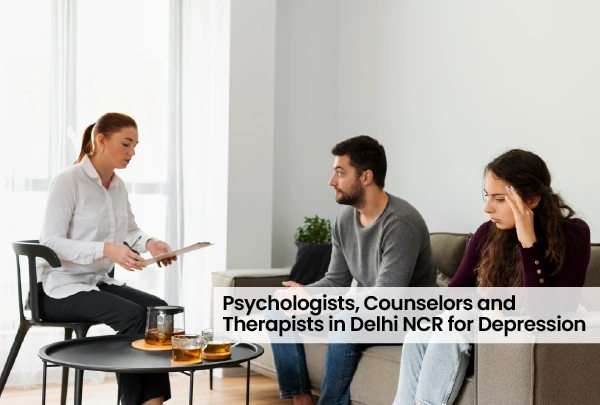
Emotional well-being can change significantly when a person is experiencing persistent sadness, loss of interest, reduced energy, or difficulty managing everyday responsibilities. While occasional low moods are a normal part of life, ongoing emotional difficulties that interfere with relationships, work, studies, sleep, or daily functioning may require professional attention. Seeking appropriate psychological support can help individuals understand their experiences, identify contributing factors, and develop healthier ways of coping.
Delhi NCR has a wide range of mental health professionals, including psychologists, counsellors, and therapists who work with individuals experiencing emotional and behavioural concerns. Choosing the right professional depends on the person’s symptoms, therapeutic needs, personal preferences, and the level of support required. Professional care can provide a confidential space where individuals can discuss their concerns without fear of judgment.
Understanding the Emotional Experience
Persistent stress can affect concentration, energy, motivation, and emotional stability. When daily pressures remain unresolved, individuals may begin feeling overwhelmed or unable to cope effectively.
Anxiety can further complicate emotional functioning. Excessive worrying, restlessness, fear about the future, or difficulty relaxing may affect decision-making and interpersonal relationships. Some people experience overlapping emotional symptoms, making a professional assessment useful for understanding the broader picture.
Depression is a mental health condition that may involve persistent sadness, reduced interest or pleasure, fatigue, feelings of worthlessness, changes in appetite or sleep, and difficulty concentrating. Its presentation varies between individuals, and professional assessment is important before determining an appropriate intervention.
Sleep difficulties can both accompany emotional distress and make coping more difficult. Maintaining consistent routines and discussing persistent disturbances with a qualified professional can support recovery.
Unresolved anger may also appear alongside emotional difficulties. Irritability, frustration, or frequent emotional outbursts can affect family, workplace, and social relationships. Therapy can help individuals understand triggers and develop healthier responses.
How Psychological Support Can Help
Professional therapy is not limited to crisis situations. It can support individuals who want to understand recurring patterns, improve coping skills, or work through challenging life experiences.
A therapist may help a client establish realistic goal-setting strategies that translate broader intentions into achievable steps. This approach can create a sense of direction when emotional difficulties make the future appear uncertain.
Therapeutic work can also encourage self-improvement by helping individuals identify personal strengths, unhelpful beliefs, behavioural patterns, and areas for growth. Rather than focusing only on symptoms, counselling can promote broader psychological development.
Learning emotional control does not mean suppressing feelings. Instead, it involves recognising emotions, understanding their triggers, and choosing appropriate responses. Evidence-based approaches can teach practical strategies for managing difficult emotional experiences.
Developing assertiveness can also be valuable. Individuals may learn to express needs, establish appropriate boundaries, communicate concerns, and disagree respectfully without becoming excessively passive or aggressive.
Choosing the Right Professional
Different mental health professionals may offer different forms of support. Psychologists commonly provide psychological assessment and evidence-based psychotherapy, while counsellors may support individuals with emotional, behavioural, adjustment, and life-related concerns. Therapists may use specific therapeutic approaches depending on their qualifications and areas of practice.
Individuals looking for the best psychologist in Delhi NCR may consider professional qualifications, relevant experience, therapeutic approach, areas of specialisation, communication style, and whether the professional’s approach matches their needs.
Those searching for psychological counselling in Delhi can explore professionals who provide confidential individual counselling and evidence-based psychological interventions. A person’s comfort with the therapist is also important because an effective therapeutic relationship requires trust and openness.
Someone looking for the best therapist in Delhi may also consider whether the practitioner has experience working with the specific concerns they are experiencing. The first few sessions can help determine whether the therapeutic approach feels appropriate and whether communication between the client and professional is comfortable.
The Role of Mindfulness and Lifestyle Support
Alongside professional intervention, healthy daily routines can contribute to emotional recovery. Practising mindfulness encourages individuals to pay attention to the present moment without immediately judging their thoughts or feelings. Breathing exercises, mindful movement, and brief periods of focused attention may complement formal therapy.
Maintaining physical health is another important component of psychological well-being. Regular movement, nutritious meals, adequate rest, and appropriate medical care can support energy levels and overall functioning. These measures should complement, rather than replace, professional treatment when clinically indicated.
Some individuals may also experience emotional difficulties following grief and loss. Bereavement can affect mood, concentration, sleep, relationships, and daily functioning. A therapist can provide a supportive environment for processing loss while helping individuals gradually adapt to life changes.
What to Expect From Therapy
The first session generally involves understanding the individual’s concerns, background, current difficulties, and goals. Depending on the situation, a professional may recommend psychological assessment or begin therapeutic intervention.
Treatment may involve approaches such as Cognitive Behaviour Therapy, supportive therapy, mindfulness-based interventions, or other evidence-based methods. The treatment plan should be individualised rather than based on a one-size-fits-all approach.
Therapy is a collaborative process. Progress may involve learning coping skills, challenging unhelpful thought patterns, improving interpersonal functioning, developing healthier routines, and building emotional resilience. In some cases, referral to a psychiatrist or another medical professional may be appropriate, particularly when symptoms are severe or require additional evaluation.
Frequently Asked Questions
1. When should someone seek help for Depression?
Professional support may be appropriate when emotional symptoms persist, interfere with daily functioning, affect relationships or work, or become difficult to manage independently. Immediate professional assessment is especially important when a person experiences thoughts of self-harm or suicide.
2. How do I choose a mental health professional in Delhi NCR?
Consider qualifications, experience, area of specialisation, therapeutic approach, availability, and your comfort level with the professional. A suitable therapeutic relationship should feel respectful, confidential, and non-judgmental.
3. Can counselling help with mild emotional difficulties?
Yes. Counselling can provide practical coping strategies, emotional support, self-awareness, and problem-solving skills before difficulties become more disruptive.
4. How long does therapy take?
There is no fixed duration. It depends on the nature and severity of the concerns, treatment goals, therapeutic approach, and individual progress. While some people need longer-term care, others benefit from short-term assistance.
Conclusion
Finding appropriate psychological support can be an important step toward improved emotional well-being. Psychologists, counsellors, and therapists can help individuals understand emotional difficulties, develop effective coping strategies, improve daily functioning, and build greater resilience. Early support can make it easier to address concerns before they significantly affect personal, professional, or social life.
Psychowellness Center provides access to professional counselling, offering individuals a convenient and confidential way to connect with qualified mental health professionals. For individuals experiencing emotional challenges, seeking timely psychological support can encourage healthier patterns of thinking and behaviour while supporting long-term well-being.
You can learn more about self-improvement and mindfulness and explore more educational videos on the Psychowellness Center YouTube Channel.
Call For Action
The services provided by Psychowellness Center may be of interest to anyone looking for expert psychological assistance. The clinic has convenient sites in Janakpuri and Dwarka Sec-17, Delhi, and provides private, evidence-based mental health care. People can call 011-47039812 or 7827208707 to make an appointment or find out more about the services.
Contributions: Dr. R.K. Suri, Clinical Psychologist, and Mr. Harshit Vaid, Counselling Psychologist
References
https://www.psychowellnesscenter.com/our-doctors/
https://www.psychowellnesscenter.com/Blog/therapy-and-counselling-for-clinical-depression/
https://www.psychowellnesscenter.com/Blog/exploring-the-different-types-of-depressive-disorders/
https://www.psychowellnesscenter.com/service-depression-counselling-delhi/
American Psychiatric Association. (2022). Diagnostic and statistical manual of mental disorders (5th ed., text rev.). American Psychiatric Association Publishing.
Beck, J. S. (2020). Cognitive behavior therapy: Basics and beyond (3rd ed.). Guilford Press.
National Institute of Mental Health. (2024). Depression. U.S. Department of Health and Human Services.
World Health Organization. (2022). World mental health report: Transforming mental health for all. World Health Organization.