
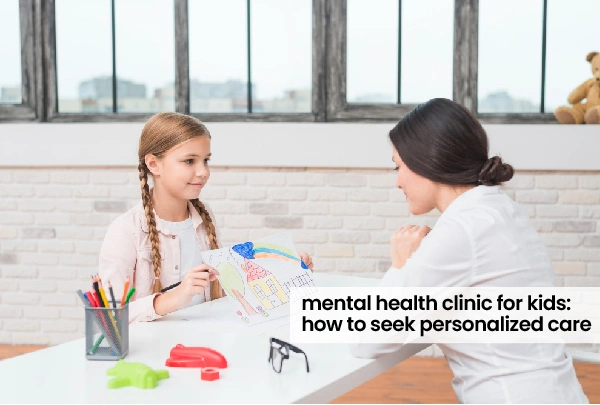
Children experience many emotional, behavioural, and developmental changes as they grow. Occasional mood changes, fears, academic difficulties, or conflicts with peers may be part of childhood, but persistent or intense changes can sometimes indicate a need for professional support. Parents and caregivers may notice changes in a child’s behaviour before the child can explain what they are experiencing. Recognising these changes and seeking appropriate care can help prevent difficulties from becoming more disruptive.
A child-focused mental health clinic provides a supportive environment where children and adolescents can be assessed according to their individual developmental stage, emotional needs, family circumstances, and daily functioning. Personalised care focuses not only on symptoms but also on the child’s strengths, relationships, school environment, and home life. Early intervention can help children develop healthier coping skills and support their overall psychological and social development.
Recognising When a Child May Need Support
Emotional challenges are not often directly communicated by children. Instead, psychological concerns may appear through changes in behaviour, academic performance, social interaction, or physical functioning.
Persistent stress may appear as irritability, frequent crying, headaches, stomach discomfort, difficulty concentrating, or reluctance to attend school. Similarly, anxiety may involve excessive worrying, reassurance-seeking, avoidance, fears, or difficulty separating from parents.
Changes in mood can sometimes indicate depression, particularly when a child experiences persistent sadness, loss of interest, withdrawal, fatigue, or feelings of worthlessness. Changes in sleep, appetite, energy, or daily routines may provide additional clues that professional assessment could be helpful.
Frequent anger or emotional outbursts may also indicate that a child is struggling to manage overwhelming feelings. Such behaviour should be understood within the child’s developmental and environmental context rather than immediately being labelled as disobedience.
Why Personalised Assessment Matters
Every child is different. Two children displaying similar behaviours may have very different underlying reasons for those behaviours. One child may struggle because of academic pressure, while another may be responding to family changes, peer difficulties, developmental concerns, or emotional distress.
A personalised assessment considers the child’s developmental history, family environment, school functioning, social relationships, behavioural patterns, and emotional experiences. Depending on the concerns, a psychologist may use clinical interviews, behavioural observations, developmental assessments, or standardised psychological tools.
The assessment process can help professionals identify strengths as well as areas requiring support. Treatment goals can then be developed collaboratively with parents and, when appropriate, the child.
Supporting Children Through Psychological Care
Child-focused therapy aims to create a safe environment in which children can express thoughts and emotions in ways appropriate to their developmental level. Younger children may communicate through play, drawing, storytelling, or structured activities, while adolescents may benefit from direct conversations and evidence-based therapeutic techniques.
Therapy can help children develop goal-setting skills by breaking larger challenges into manageable steps. For example, a child struggling with school participation may gradually work toward attending classes consistently, completing selected tasks, and developing confidence in academic settings.
Professional support can also encourage self-improvement by helping children understand their strengths, learn from setbacks, and develop practical coping strategies. Rather than focusing exclusively on problems, therapy can promote confidence, independence, and positive development.
Emotional Regulation and Social Development
Learning emotional control is an important developmental skill. Children need opportunities to identify emotions, understand triggers, communicate their needs, and choose appropriate responses. Therapy can teach age-appropriate strategies for managing frustration, disappointment, fear, and other difficult emotions.
Developing assertiveness can also help children communicate boundaries, express disagreement respectfully, ask for assistance, and respond appropriately to uncomfortable situations. These skills are particularly useful in school and peer environments.
Mindfulness activities may be introduced when developmentally appropriate. Simple breathing exercises, sensory awareness, and present-moment activities can help children improve attention and develop greater awareness of their emotional experiences.
The Role of Parents and Caregivers
Parents play a central role in a child’s psychological development. Professional care is most effective when caregivers understand the child’s needs and participate appropriately in the treatment process.
Healthy parenting involves providing consistent boundaries while maintaining warmth, emotional availability, and age-appropriate independence. Parents can support children by listening without immediately judging, validating emotions, maintaining predictable routines, and reinforcing positive behaviours.
Caregivers should also pay attention to a child’s physical health, because nutrition, sleep, activity levels, medical conditions, and emotional well-being can influence one another. Psychological care should therefore consider the child’s overall development rather than focusing on a single symptom.
Addressing School and Peer Concerns
School is an important part of childhood, and difficulties in this environment can have a substantial emotional impact. Academic pressure, social challenges, changes in friendships, and classroom difficulties may influence a child’s confidence and behaviour.
Bullying deserves particular attention. Children experiencing repeated teasing, exclusion, intimidation, or harassment may become withdrawn, fearful, irritable, or reluctant to attend school. Some may not disclose what is happening because they fear embarrassment or retaliation.
Parents should create opportunities for open communication and take behavioural changes seriously. A psychologist can help the child develop coping strategies while working with caregivers to identify appropriate support systems.
Choosing a Child Mental Health Professional
Selecting an appropriate professional requires consideration of the child’s specific needs. Parents may look for qualifications, experience with children of the relevant age group, areas of expertise, therapeutic approach, and the professional’s ability to communicate comfortably with both children and caregivers.
Families searching for the Best Child counselor in Delhi may consider professionals experienced in child and adolescent mental health. Those seeking child counselling should also examine whether the professional provides age-appropriate assessment and therapeutic interventions.
When searching for a psychologist in Delhi, parents should verify professional credentials and consider whether the practitioner has experience addressing the child’s particular concern. Families looking for counselling in Delhi may also ask about the assessment process, parental involvement, expected treatment goals, and confidentiality arrangements for children and adolescents.
Conclusion
A child’s emotional and behavioural concerns deserve thoughtful attention rather than assumptions or labels. Personalised psychological care can help identify underlying difficulties, strengthen coping abilities, improve emotional expression, and support healthier development. A child-focused approach also recognises the importance of family relationships, school experiences, physical well-being, and individual strengths. Seeking professional guidance at an appropriate stage can provide children and families with practical strategies for navigating challenges and promoting long-term well-being.
Psychowellness Center provides face-to-face psychological services designed to address the individual needs of children, adolescents, and families. Parents who notice persistent emotional, behavioural, social, or developmental concerns can consider professional assessment and support from qualified mental health professionals.
You can learn more about self-improvement and mindfulness and explore more educational videos on the Psychowellness Center YouTube Channel.
Frequently Asked Questions
1. When should parents take a child to a mental health clinic?
Parents may consider professional assessment when emotional, behavioural, academic, or social changes persist, become intense, or interfere with everyday functioning. Sudden and significant changes also warrant attention.
2. How is psychological care different for children?
Children’s emotional needs are assessed according to their developmental stage. Professionals may use play-based methods, activities, behavioural techniques, interviews, and age-appropriate psychological assessments rather than relying only on adult-oriented conversation.
3. Should parents participate in their child’s sessions?
Parental involvement depends on the child’s age, concerns, treatment approach, and clinical needs. Parents may participate in some sessions, while children or adolescents may also require private, developmentally appropriate space to communicate with the professional.
4. Can counselling help with school-related difficulties?
Yes. Psychological support can help identify emotional, behavioural, social, or adjustment factors affecting school functioning. Intervention may focus on coping skills, confidence, communication, emotional regulation, and collaboration with caregivers.
5. How can parents support a child receiving psychological care?
Parents can maintain consistent routines, listen without judgment, reinforce positive changes, follow professional recommendations, and create a supportive home environment. Patience and consistency are especially important during the treatment process.
Call For Action
If you are experiencing emotional, psychological, or behavioural concerns, seeking professional support can be an important step towards improved mental well-being. Psychowellness Center offers confidential and evidence-based mental health care through its centres conveniently located in Janakpuri and Dwarka, Sector 17, Delhi. To book an appointment or learn more about the available services, please contact 011-47039812 or 7827208707.
Contributions: Dr. R.K. Suri, Clinical Psychologist, and Mr. Harshit Vaid, Counselling Psychologist
References
https://www.psychowellnesscenter.com/service-child-adolescent/
https://www.psychowellnesscenter.com/Blog/common-anxiety-symptoms-in-children/
https://www.psychowellnesscenter.com/Blog/what-triggers-anxiousness-in-children/
American Psychological Association. (2020). Publication manual of the American Psychological Association (7th ed.). American Psychological Association.
American Psychiatric Association. (2022). Diagnostic and statistical manual of mental disorders (5th ed., text rev.). American Psychiatric Association Publishing.
World Health Organization. (2022). World mental health report: Transforming mental health for all. World Health Organization.
Zeanah, C. H. (Ed.). (2018). Handbook of infant mental health (4th ed.). Guilford Press.