
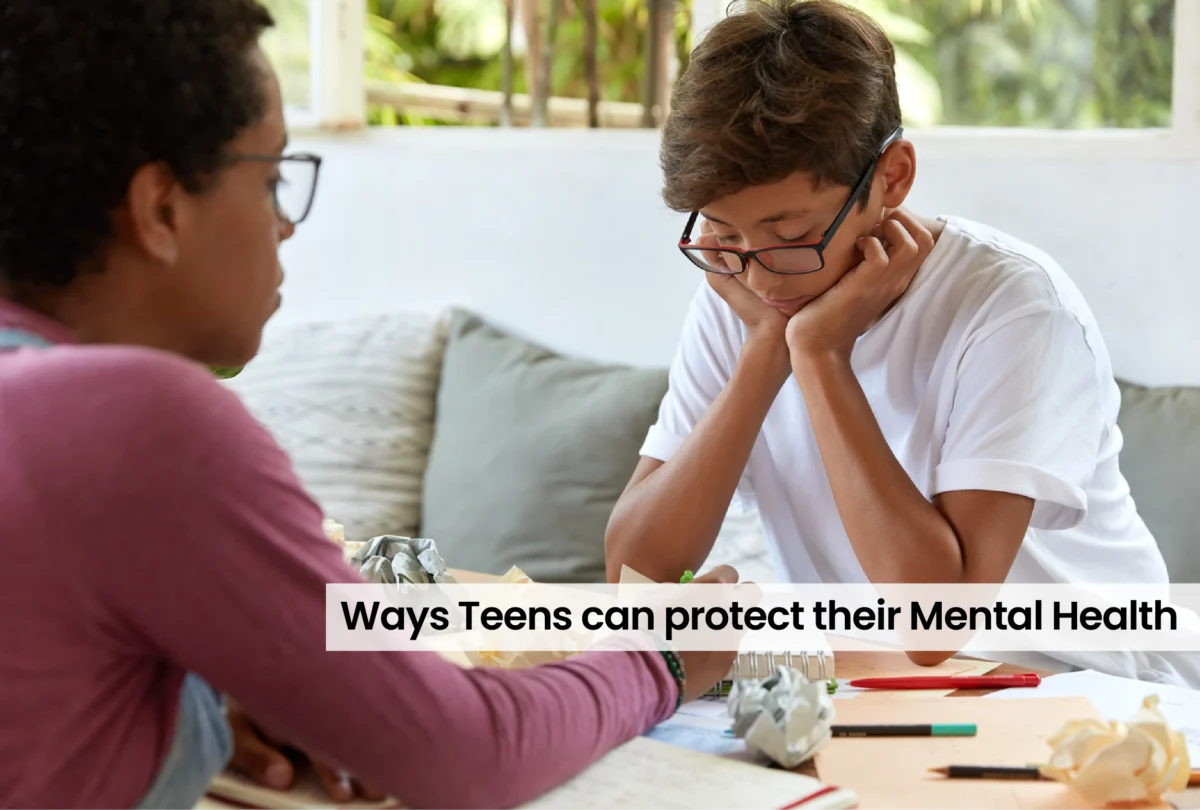
Physical, emotional, social, and psychological changes occur quickly throughout adolescence. Teens are learning who they are, building relationships, managing academic expectations, navigating social media, and gradually becoming more independent. While these experiences can be exciting, they can also create stress, self-doubt, loneliness, anxiety, and emotional overwhelm. Taking care of mental health during the teenage years is therefore not a luxury; it is an important part of healthy development.
Being happy all the time is not an indication of mental health. It means being able to understand emotions, cope with everyday challenges, maintain meaningful relationships, make healthy decisions, and seek support when difficulties become overwhelming. Here are practical ways teenagers can protect and strengthen their mental well-being.
1. Learn to Recognize Your Emotions
One of the first steps toward better mental health is understanding what you are feeling. Teens may sometimes experience anger, sadness, frustration, fear, jealousy, embarrassment, or loneliness without knowing exactly why.
Instead of ignoring difficult emotions, try naming them. Keeping a journal, talking to someone trustworthy, or simply taking a few quiet minutes to reflect can help. Emotional awareness makes it easier to identify triggers and choose healthier ways of responding.
Remember that having a difficult day does not mean something is wrong with you. Emotions are signals, not weaknesses.
2. Build a Healthy Sleep Routine
Sleep has a strong connection with emotional regulation, concentration, learning, and overall well-being. Teenagers often sacrifice sleep because of homework, examinations, gaming, social media, or late-night conversations.
Creating a consistent sleep schedule can help the mind and body recover. Try going to bed and waking up at approximately the same time each day, reducing stimulating screen use before bedtime, and keeping the bedroom suitable for rest. The American Psychological Association also recommends ensuring that social media use does not interfere with sleep or physical activity.
3. Stay Physically Active
Physical activity is not only beneficial for physical health; it can also support psychological well-being. Walking, cycling, dancing, swimming, playing a sport, exercising, or simply spending time outdoors can provide a healthy break from academic and digital pressures.
Teens do not need to become professional athletes. Finding an activity they truly like and incorporating movement into their daily routine are the objectives.
4. Establish a Positive Connection with Social Media
Social media can help teenagers connect with friends, discover interests, express creativity, and find supportive communities. However, excessive or inappropriate usage can expose young people to hazardous information, unrealistic comparisons, cyberbullying, and sleep disturbance.
Instead of focusing only on the amount of screen time, teens should pay attention to how social media makes them feel. If certain accounts consistently create insecurity, jealousy, sadness, or pressure, unfollowing or muting them can be helpful. Taking regular digital breaks and keeping phones away during study and bedtime can also support healthier habits.
5. Avoid Comparing Your Life With Others
Teenagers frequently compare their appearance, grades, friendships, talents, possessions, and achievements with those of others. Social media can intensify this tendency because people usually display selected highlights rather than their complete reality.
Everyone develops at a different pace. Someone else’s success does not make your achievements less meaningful. Self-compassion can gradually replace unrealistic expectations with healthier self-acceptance.
6. Maintain Supportive Relationships
Strong social connections can act as an important protective factor for adolescent mental health. Teens should try to maintain relationships with people who listen without constantly judging, humiliating, or pressuring them.
Stressful situations might feel more manageable if you talk to a parent, sibling, teacher, mentor, friend, or other trusted adult. Recent research has also highlighted the importance of emotional closeness between teenagers and parents, particularly when communication is open and non-judgmental.
Healthy relationships do not require sharing everything. They require feeling safe enough to ask for help when it is needed.
7. Learn Healthy Ways to Manage Stress
Stress is unavoidable, but unhealthy coping strategies can make it worse. Teens can experiment with practical techniques such as deep breathing, mindfulness, journaling, listening to music, drawing, exercising, spending time outdoors, or taking short breaks between tasks.
Breaking a large task into smaller steps can also reduce feelings of being overwhelmed. During examination periods, creating a realistic study timetable with sufficient breaks may be more effective than studying continuously for long hours.
8. Set Realistic Academic Expectations
Academic pressure can become a significant source of stress during adolescence. While education is important, grades should not become the sole measure of personal worth.
Teens can set specific and achievable goals rather than expecting perfection. Making mistakes, receiving lower marks, or needing additional support does not mean that a student is unsuccessful. Learning from setbacks is an important part of developing resilience.
Parents and educators can contribute by focusing on effort, progress, and learning rather than constantly comparing students with others.
9. Make Time for Enjoyable Activities
Mental health also needs recreation. Hobbies provide opportunities for creativity, relaxation, self-expression, and achievement outside academic responsibilities.
Reading, painting, music, sports, cooking, photography, volunteering, gardening, gaming in moderation, or learning a new skill can give teenagers a sense of purpose and enjoyment. Daily routines might be more balanced when there is something to anticipate.
10. Know When to Seek Professional Support
Teenagers should not feel that they must handle every problem alone. Persistent sadness, excessive worry, significant changes in sleep or appetite, withdrawal from friends and activities, declining academic performance, frequent irritability, hopelessness, or difficulty functioning may indicate that additional support is needed.
Speaking with a qualified mental health professional can provide a confidential and supportive space to understand concerns and develop coping strategies. In addition to credentials, parents searching for the best psychologist near me should consider the professional’s background working with teenagers and how comfortable the adolescent feels with them.
For families seeking specialized support, finding the best child psychologist in India should involve considering professional qualifications, experience, therapeutic approach, and suitability for the child’s concerns. Similarly, parents searching for the Best Child Psychologist in Delhi NCR should look for an adolescent-focused professional who encourages collaboration among the teenager, family, and school when appropriate.
Conclusion
Protecting mental health during adolescence begins with small, consistent choices: sleeping well, staying active, maintaining supportive relationships, managing digital habits, accepting imperfections, and asking for help when needed. Mental well-being is not about avoiding every stressful situation; it is about developing the skills and support systems needed to navigate challenges.
Parents, teachers, and caregivers can play an equally important role by creating environments where teenagers can talk openly without immediately being judged or punished. When young people know that seeking help is a sign of strength rather than weakness, they are more likely to reach out before problems become overwhelming.
Contributions: Dr. R.K. Suri, Clinical Psychologist, and Ms. Tanu Sangwan, Counselling Psychologist
Frequently Asked Questions
- What are the most important ways teens can protect their mental health?
Maintaining healthy sleep, physical activity, supportive relationships, balanced technology use, emotional awareness, enjoyable hobbies, and realistic academic expectations can all contribute to better mental well-being.
- How can social media affect a teenager’s mental health?
Social media can provide connection and support, but problematic use, cyberbullying, harmful content, social comparison, and sleep disruption may negatively affect some teenagers. Its impact can vary from person to person.
- When should a teenager talk to a psychologist?
Professional support may be appropriate when emotional or behavioral difficulties persist, interfere with school or relationships, or become difficult to manage independently. Seeking help early can be beneficial.
- How can parents support their teenager’s mental health?
Parents can listen without immediately judging or giving advice, encourage healthy routines, respect appropriate privacy, notice changes in behavior, and create opportunities for regular conversations.
- Is asking for psychological help a sign of weakness?
No. Seeking professional support is a responsible way of addressing emotional difficulties. Just as people consult a doctor for physical concerns, they can consult a mental health professional when emotional or psychological challenges become difficult to manage.
References
https://www.psychowellnesscenter.com/service-child-adolescent/
https://www.psychowellnesscenter.com/Blog/teen-anxiety-and-the-pressure-to-be-perfect-online/
https://www.psychowellnesscenter.com/Blog/where-to-turn-for-teen-mental-health-support/
American Academy of Child and Adolescent Psychiatry. (2023). Policy statement on the impact of social media on youth mental health. https://www.aacap.org/AACAP/Policy_Statements/2023/Social_Media_Youth_Mental_Health
American Academy of Pediatrics. (2026). Social media and adolescent mental health: A practical approach. Pediatrics in Review, 47(3), 129–138. https://doi.org/10.1542/pir.2024-006545
American Psychological Association. (2023). Health advisory on social media use in adolescence. https://www.apa.org/topics/social-media-internet/health-advisory-adolescent-social-media-use
American Academy of Pediatrics. (2016). Media use in school-aged children and adolescents. Pediatrics, 138(5), e20162592. https://doi.org/10.1542/peds.2016-2592
World Health Organization. (2020). Guidelines on physical activity and sedentary behaviour. World Health Organization.